Copping sneakers means buying a pair at its release, and Wikipedia’s sneaker glossary defines “cop” as a verb meaning to purchase or acquire. This starters kit covers what a beginner needs: a steady source of release news, a clear picture of how each seller runs a release, and a straight reading of each retailer’s rules. A bot, proxies and a server are optional extras, and each gets its own section below.
What does copping sneakers involve?
Copping sneakers involves three steps: learning when a pair releases, entering the way the seller runs that release, and finishing checkout before the stock is gone. Sellers choose the method for each pair. According to Wikipedia’s article on sneaker collecting, new launches of popular models increasingly take place through online raffles on mobile apps. A seller that skips the raffle sells to whoever completes checkout first, which is the first come, first served method.
The method decides what matters. In a raffle, winners are picked from the entries, so being first to click does not improve your odds; entering correctly and on time does. On a first come, first served release, preparation counts, because a slow page, a declined card or a size missing from a saved profile can cost you the kicks. Save your address and payment details before release day, whichever method the seller uses.
How do you keep up with sneaker releases?
You keep up with releases by following the places where brands, retailers and communities announce them, then switching notifications on for the accounts that matter. Nike runs its own SNKRS launch calendar, and other brands publish dates on their own sites. Beyond that, the usual hubs are X (formerly Twitter), Discord and Reddit, and we keep a page on each: our Sneaker Twitter guide, the sneaker Discord page and the sneaker Reddit page.

Release information is public, so the work is organization, not secrets. Pick a short list of accounts you trust: the brand, the retailers you buy from and one or two release trackers. Install their apps on your phone, turn on the notifications that matter and stay alert, because sometimes copping a pair or missing it comes down to seconds. Posts can be wrong, so confirm a date on the brand’s own page.
What does a sneaker bot do?
A sneaker bot is software that fills in and submits the checkout steps for you, so one person can run several attempts at once instead of one by hand. It does not change the seller’s method: a bot can enter a raffle or race a first come, first served checkout, but it cannot pick the winner of a draw.
Either way it needs the same details you would type by hand: a shipping address, a payment method and the right size. A bot also adds work, because you set up profiles, payment details and tasks before the release, test them, and watch them during it, which is a reason to learn the release process by hand first. If you want to see what a checkout bot does with this, NikeShoeBot’s guides walk through it retailer by retailer.
What should you look for in a sneaker bot?
A bot is worth a closer look when it supports the retailers you buy from, keeps getting updated and has support you can reach. Three checks are worth making before you pay for any bot:
- Retailer coverage: a bot that handles only a few sites leaves you switching between tools on release day, so compare its supported list with the sites you use.
- Update history: retailers change their checkout flows, and a visible record of updates suggests the developers are still maintaining it.
- Support: believe us, you will need it, especially while you are still taking baby steps, so email them, comment on their social media, send your questions and see how responsive they are before you buy.


Social proof needs a careful read. Posts from users who checked out a pair show that someone succeeded, not how many tasks failed, so treat them as one weak signal. Our page on how to choose a sneaker bot goes through the comparison in more detail.
What do retailers’ terms say about bots and purchase limits?
Retailers write their rules into their terms, and Nike’s terms are specific about automation and purchase limits. As of October 2026, the US version of Nike’s Terms of Use, last revised in October 2025, says users may not:
Develop or use any application or automated technology, other than as approved by NIKE, to interact with the Services
The US Nike Terms of Sale, last revised in December 2025, add that Nike may cancel an order placed with automated ordering software or technology, or one that exceeds its product purchase limits. We are just reporting what Nike’s documents say, not giving legal advice. Other retailers publish their own terms, so read them for each site before you automate anything. Our page on whether sneaker bots are illegal covers the wider question.
| Document | Last revised | What it says |
|---|---|---|
| Nike Terms of Use | October 2025 | No automated technology to interact with the services, unless NIKE approves it |
| Nike Terms of Sale | December 2025 | Orders from automated ordering software, or over purchase limits, may be cancelled |
What is a proxy, and where does it fit?
A proxy is an intermediary server that sits between your computer and the website you visit, so the site deals with the proxy and not with you directly. Wikipedia describes a proxy server as an intermediary between a client requesting a resource and the server providing it, and says it can add load balancing, privacy or security.
In bot setups, tasks are usually paired with proxies so that they do not all connect from one address. Our guides to proxy types and botting proxies explain the options. A proxy does not raise the number of pairs a retailer lets one customer buy. Under the Nike terms above, an order over the purchase limit can be cancelled, so a proxy is a connection tool and not a way around a limit.
Do you need a server to cop sneakers?
No, a server is optional: you can cop by hand or with software on your own computer, and NikeShoeBot runs on your own computer, Mac or Windows. A VPS, or virtual private server, is a virtual machine sold as a service by an internet hosting company, and Wikipedia adds that it runs its own copy of an operating system that customers can usually install software on.
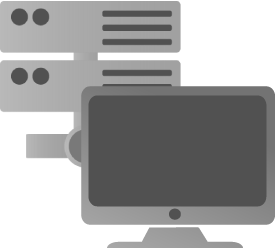
Some bot users rent one so the software runs on a machine separate from the computer they browse on. The trade-off is extra set-up and a recurring bill, and whether it helps depends on the software and your connection. Our comparison of a home PC and a VPS and our page on sneaker servers go through both sides. Start with release news and each retailer’s rules, and add tools only when you can say what each one is for.