6 Proven Tips to Cop Kicks at Retail: Bots, Proxies & Setup Guide

Learning how to cop kicks at retail price requires combining six elite tips across release research, virtual billing cards, checkout software, proxies, and cook groups. Collectors who start making smart preparation habits save sweet bucks by locking in $115 to $225 drops at MSRP instead of paying resale markups. Below we break down each step of a modern release setup.
- Pre-drop SKU research: Track style codes, 10:00 AM EST launch windows, and men’s size 9 to 12 liquidity 72 hours early.
- Virtual card profiles: Pair 10 to 25 unique virtual credit cards (VCCs) with separate retail accounts to respect 1-per-customer limits.
- Proxy-to-task ratios: Maintain a 1:1 or 2:1 ISP and residential proxy ratio alongside a 1 ms to 5 ms Virginia server.
- Resale fee awareness: Compare 8.0% eBay fees against 9.0% + 3.0% + $4 StockX deductions before listing extra pairs.
How Does Pre-Release Research Help You Cop Kicks at Retail?
Pre-release research identifies which colorways and sizes hold secondary demand versus general releases that sit below retail.
Every week, footwear brands release 15 to 30 different sneakers priced between $110 and $250 at retail. However, fewer than 20% of those weekly drops trade above MSRP after shipping and platform fees. Learning core sneaker release terminology such as deadstock, QS, and OG helps buyers filter out low-demand pairs early.
Smart collectors check 7-day pre-release bid volume on exchanges 48 hours before a 10:00 AM EST launch. Often a men’s size 10.5 or 11 commands $40 to $60 more on the aftermarket than a size 7.5. Checking style codes and store raffle lists in advance keeps your weekly release calendar organized and focused.

Why Do Multi-Pair Buyers Use Virtual Cards and Unique Profiles?
Retailers enforce strict one-pair-per-customer rules that cancel duplicate orders sharing the same payment card or billing profile.
Per the Federal Trade Commission online shopping guidelines, merchants establish clear checkout terms, order limits, and payment checks. Suppose a store detects five orders using the same 16-digit card number on a $180 retail Jordan drop. Its automated fraud filter will cancel four of those five checkouts within minutes.
To respect per-profile checkout checks, experienced buyers generate unique card numbers through virtual credit cards for sneaker botting. Providers like Slash, Extend, and Privacy let users issue 10 to 50 distinct virtual cards. Each virtual card pairs with its own browser profile, email address, and phone number. Buyers also add slight apartment or suite formatting variations across profiles.
How Do Automated Sneaker Bots Handle SNKRS and Shopify Drops?
Automated checkout software executes carting, queue handling, and payment submission across dozens of retail tasks simultaneously.
Per the Cloudflare technical overview of automated bots, software bots process network requests far faster than manual browser clicks. On limited footwear launches, manual shoppers must load a product page, select a size, and type card details. High-demand sizes often sell out before a manual shopper finishes typing a billing address.
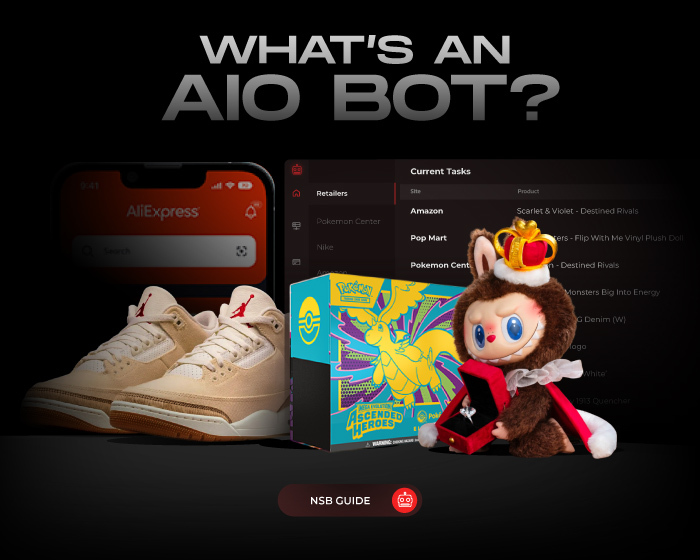
Comparing the best multi-site sneaker bots helps buyers match software to their target stores. Platforms such as Valor AIO, Cybersole, Stellar AIO, The Shit Bot, and NikeShoeBot support specialized retail modules. Those modules handle Shopify boutiques, SNKRS draws, and Footsite queues in parallel. Testing task groups on mid-week restocks ensures every profile fires cleanly on Saturday morning.

| Preparation Component | Manual Buyer Setup | Automated Multi-Task Setup | Primary Drop-Day Role |
|---|---|---|---|
| Checkout Software | 1 mobile app / browser tab | Valor AIO, Cybersole, NikeShoeBot | Automates cart & payment steps |
| Payment Profiles | 1 physical debit or credit card | 10 to 50 virtual credit cards (VCC) | Prevents duplicate card cancels |
| Network IP Routing | 1 home Wi-Fi IP address | 25 to 100 ISP & residential proxies | Avoids store IP rate limiting |
| Release Monitoring | Public social media feeds | Real-time cook group SKU monitors | Detects shock drops in under 1s |
How Do Sneaker Proxies and Servers Prevent IP Rate Limits?
Sneaker proxies assign a separate IP address to each checkout task so retail firewalls do not block your connection.
Launching 30 checkout tasks from one home Wi-Fi router triggers Shopify and Akamai security filters immediately. Those firewalls will throttle or ban your home IP address within seconds. Using dedicated ISP and residential sneaker proxies routes each task through its own clean IP address. Buyers typically pair a 1:1 proxy-to-task ratio on ISP subnets with rotating residential pools.
Running tasks on low-latency sneaker servers in Ashburn, Virginia places your software beside major e-commerce data centers. That close physical routing keeps network ping between 1 ms and 5 ms during heavy traffic. Users should always test proxy speeds 30 minutes before launch to replace dead IPs.

Why Are Cook Groups and Social Monitors Essential on Drop Day?
Discord cook groups provide real-time restock monitors, early variant links, and raffle lists before public social accounts post them.
Per the official Nike SNKRS Draw entry rules, scheduled LEO drops and 10-minute DAN draws require prompt entry. Unannounced shock drops and SNKRS Scratch or Cam events offer even less advance warning. Relying on public social feeds often means seeing a restock link 3 minutes after stock sells out.
High-speed Discord monitors alert members to hidden Shopify variant loads and surprise SNKRS restocks within milliseconds of a backend update.
Joining a reputable Discord sneaker cook group gives collectors direct access to keyword lists and early checkout links. Members also share brick-and-mortar store stock numbers and regional EQL raffle links every week.
How Do Secondary Market Fees Affect Net Payouts on Extra Pairs?
Platform commissions between 8% and 12.4% plus shipping fees determine your exact net payout when reselling extra pairs.
Suppose you purchase a limited retro at its $200 retail price plus 7% local sales tax. Your total acquisition cost equals $214.00 at checkout. If you sell that pair for $300 gross on eBay, the platform deducts an 8% flat fee ($24.00) on authenticated sneakers over $150. That structure leaves a $276.00 net payout.
Selling the same $300 priced shoe on StockX Level 1 deducts a 9% fee ($27.00), 3% processing ($9.00), and $4.00 shipping. Those deductions leave a $260.00 net payout. Meanwhile, GOAT deducts 9.5% plus $5.00 ($33.50) and a 2.9% cash-out fee ($7.73), leaving $258.77 net. Reviewing these fee tiers before launch day keeps every checkout target realistic.
| Resale Marketplace | Gross Sale Price | Platform Commission & Fees | Net Seller Payout |
|---|---|---|---|
| eBay Authenticity Guarantee | $300.00 sale | 8.0% flat ($24.00 fee) | $276.00 net payout |
| StockX Level 1 Exchange | $300.00 sale | 9.0% + 3.0% + $4 ($40.00) | $260.00 net payout |
| GOAT Standard Listing | $300.00 sale | 9.5% + $5 + 2.9% ($41.23) | $258.77 net payout |
| Local Cash Meetup | $285.00 sale | 0.0% cash transaction | $285.00 net payout |
Why do sneaker buyers use virtual credit cards on release day?
Virtual credit cards let buyers assign a unique 16-digit card number to each checkout profile so stores do not cancel multiple orders.
What is a standard proxy-to-task ratio for sneaker drops?
Most automated setups run a 1:1 or 2:1 proxy-to-task ratio so each checkout task routes through a clean IP address without rate limits.