Nike Bot Protection: How SNKRS Filters 12B Entries & Drop Rules

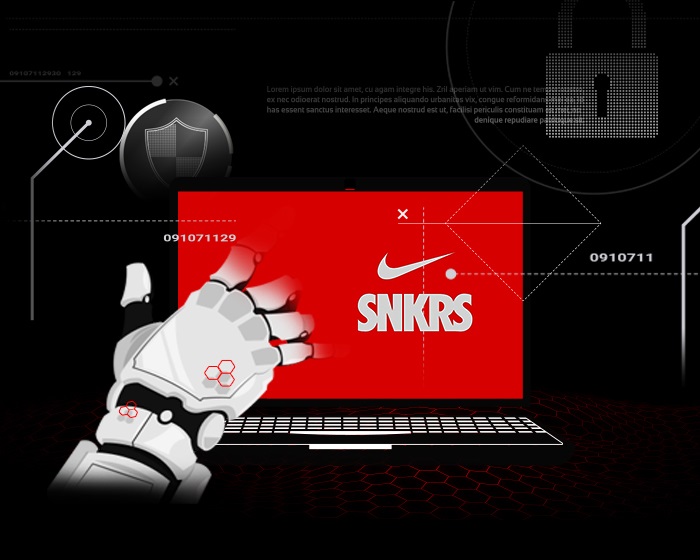
Multi-layered Nike bot protection has become a sneaker botter’s worst nightmare during limited SNKRS app launches. Built over 7 years of security engineering, the system filters up to 12 billion automated entries per month. It combines behavioral telemetry, TLS network fingerprinting, and randomized ballot windows to verify human buyers.
- Monthly Filtering Volume: Blocks up to 12 billion automated bot entries per month across global SNKRS launches according to company engineering disclosures.
- 7-Year Defense Evolution: Combines 7 years of dedicated anti-bot research with real-time behavioral analytics and post-drop order audits.
- Draw & Queue Protocols: Deploys 2-minute LEO micro-queues and 10-minute DAN randomized draws to eliminate pure checkout speed advantages.
- Policy Enforcement: Pairs technical WAF filtering with updated consumer terms of sale that cancel bulk orders linked to commercial resale.
How Does Nike Bot Protection Filter 12 Billion Monthly SNKRS Entries?
According to Nike’s official SNKRS bot protection briefing, security engineers have spent 7 years building anti-automation filters. Rather than relying on a single static firewall rule, the platform evaluates every login and ballot entry. Across global launch calendars, those defense layers block up to 12 billion automated entries every month.

A dedicated threat-intelligence team monitors traffic patterns before, during, and after every high-heat sneaker release. Security engineers study incoming request headers in real time while a drop is active. Even when a new script bypasses an initial edge rule, post-launch forensic models flag linked accounts. Warehouse systems then cancel duplicate orders before shipping labels print. Those returned pairs often reappear during unannounced SNKRS Reserve restock events in the following weeks.
What Telemetry and WAF Signals Detect Automated Checkout Traffic?
Modern edge firewalls inspect dozens of network and device signals before a buyer clicks the purchase button. As documented in Cloudflare’s bot management documentation, enterprise firewalls score incoming HTTP requests using TLS handshakes and IP reputation. Behavioral biometrics add a second layer of verification on mobile devices.
On mobile and web sneaker portals, four primary telemetry checkpoints separate human shoppers from headless scripts:
- TLS & HTTP/2 Fingerprinting: Compares cipher-suite ordering and header frames against known iOS, Android, and desktop browser signatures.
- Device Sensor Biometrics: Measures touch-screen pressure, accelerometer micro-movements, and mouse-cursor velocity curves during checkout.
- IP Subnet Reputation: Flags high-density datacenter ASN blocks and shared proxy ranges submitting concurrent requests within milliseconds.
- Payment & Address Clustering: Detects modified street address variations (such as Apt 1A, 1B, 1C) and virtual cards linked to one bank.
How Do SNKRS LEO and DAN Draws Neutralize Checkout Speed?
Beyond edge filtering, the SNKRS platform neutralizes script speed by replacing instant checkouts with randomized selection windows. According to Nike’s official SNKRS Draw rules, entrants join a timed countdown window on release morning. Shoppers receive email order notifications within a few minutes after the draw closes.
Two distinct launch mechanics govern nearly all SNKRS releases. Standard general releases use a LEO (“Let Everyone Order”) queue that collects entries for 2 to 3 minutes. High-demand collaborations use a DAN Draw, which opens a visible 10-minute timer on screen. That 600-second window lets security models purge flagged clusters before running the lottery.
“Replacing instant first-come checkouts with a 10-minute randomized draw window gives machine-learning filters 600 seconds to strip out automated clusters before a single pair is allocated.”
How Do SNKRS Defenses Compare to Shopify and Cloudflare Systems?
Different retail architectures enforce distinct rate limits and verification challenges during a 10:00 AM EST sneaker launch. For example, Shopify’s storefront rate-limit documentation details how independent boutiques use per-IP queue throttling and hCaptcha checkpoints. Those controls keep boutique checkout servers stable during flash sales.
Shopify boutiques still reward fast human or automated queue entry once a shopper clears the initial checkpoint. By contrast, SNKRS relies on account-level trust scoring inside a closed lottery where entry speed plays zero role. Demandware chains like Foot Locker combine virtual waiting rooms with mobile app reservation points.
The table below compares four major sneaker release defense systems by verification method, queue window, and primary trigger. Understanding these structural differences helps buyers tailor their checkout approach to each retail platform.
| Platform / Defense System | Primary Verification Method | Launch Window Mechanic | Main Cancellation or Block Trigger |
|---|---|---|---|
| Nike SNKRS (DAN / LEO) | Account telemetry & device sensor scoring | 2-min LEO queue or 10-min DAN draw | Clustered IP subnets & linked billing profiles |
| Shopify Bot Protection | hCaptcha checkpoint & throttle queue | FCFS throttle queue (1 to 5 minutes) | High per-IP request frequency & invalid tokens |
| Cloudflare / Akamai Edge WAF | TLS JA3/JA4 fingerprint & JS challenge | Continuous pre-queue edge inspection | Mismatched browser headers & datacenter ASNs |
| Foot Locker / Demandware (DataDome) | Slider puzzle & behavioral mouse tracking | Virtual waiting room + FLX app reservation | Repeated session cookies & rapid page refreshes |
How Did Terms of Sale and Market Shifts Increase Drop Competition?
Technical anti-bot filters work alongside strict contractual rules enforced at checkout. Under Nike’s updated terms of sale, the company explicitly reserves the right to cancel orders placed for commercial resale. Retail compliance teams also suspend accounts or charge restocking fees when buyers exceed stated quantity limits on limited launches.
At the same time, macro supply shifts intensified competition for every limited SNKRS release. Broader footwear production and inventory shifts tightened boutique allocations on collaborative Dunks and retro Jordans. Furthermore, following Adidas ending the Yeezy partnership in late 2022, buyer demand consolidated even more heavily around Nike releases. That concentration pushed draw entry counts to record highs across 2023 and 2024. Maintaining clean, compliant buyer profiles became essential for avoiding automated post-draw cancellations.
| Compliance & Account Factor | High-Risk Practice (Flagged) | Compliant Collector Standard | Impact on Draw Eligibility |
|---|---|---|---|
| Network Connection Type | Shared datacenter IP across 20+ accounts | 1 dedicated residential IP per account | Prevents ASN subnet shadow-filtering |
| Shipping Address Formatting | Identical street line with symbol jigs | Verified distinct household delivery address | Avoids post-draw warehouse cancellation |
| Payment Method Setup | Recycled virtual card numbers on one bank | Unique named credit/debit card per profile | Passes 3DS and payment velocity checks |
| App Engagement History | Freshly generated zero-activity login | Aged account with organic browse activity | Maintains normal behavioral trust score |
How Do Collectors Prepare for Multi-Store Sneaker Releases?
No single SNKRS account is guaranteed a win in a 10-minute randomized draw. Seasoned collectors diversify their release-day strategy across independent boutiques and global retail chains. Reading our automated sneaker checkout guide helps buyers understand how Shopify, Demandware, and regional queues operate alongside SNKRS.
When targeting multi-store launches across Kith, Undefeated, and Concepts, collectors use multi-site sneaker checkout software to coordinate tasks. Pre-loading verified shipping profiles and payment cards prevents manual typing delays during fast 10:00 AM EST drops.
In the all-in-one software category, platforms such as Valor AIO, Cybersole, and NikeShoeBot support Shopify boutiques and retail modules. Pairing those checkout tools with clean residential proxies keeps task connections steady across release morning. Testing proxy latency a full hour before launch prevents unexpected connection drops at checkout.
Why do some SNKRS Draw entries show “Not Selected” without charging my card?
During a 10-minute DAN draw, SNKRS collects all valid entries and runs a randomized lottery after filtering out flagged automated traffic. Only winning entries have their payment method authorized and charged.
What is the difference between a SNKRS LEO drop and a SNKRS DAN Draw?
A LEO (“Let Everyone Order”) release runs a hidden 2-to-3-minute background queue before randomly allocating pairs, whereas a DAN Draw displays a visible 10-minute countdown timer on screen.