How to Choose the Best Sneaker Bot for You Before Drop Day!

Selecting the best sneaker bot for your setup before drop day requires matching your target storefronts, operating system, and total software budget. While third-party all-in-one licenses typically retail between $300 and $500, single-site tools start near $150 and secondary keys once ranged from $1,000 to $8,000. Evaluating supported modules, proxy expenses, and rental trials ensures you choose the right platform.
- Third-Party License Tiers: Standard third-party AIO bots retail between $300 and $500 initially, whereas specialized single-site tools list near $150.
- Secondary Market History: Waitlisted third-party licenses have traded between $1,000 and $8,000 on secondary bot marketplaces during peak cycles.
- Core Storefront Modules: Multi-site platforms cover Shopify, Footsites, Demandware, SNKRS, and Supreme drops under one interface.
- Supporting Infrastructure: Monthly operating budgets should allocate $45 to $150 for residential proxies, ISP subnets, and virtual servers.
How Does Your Total Budget Shape Your Software Selection?
Building a realistic release-day budget is the first step when choosing the best sneaker bot for your personal rotation. Beyond the retail cost of the footwear itself, operators must fund software licenses, renewal fees, and proxy subnets. According to industry pricing guides, third-party all-in-one bots typically retail between $300 and $500 for an initial license. Smaller single-module tools often list around $150 at retail.
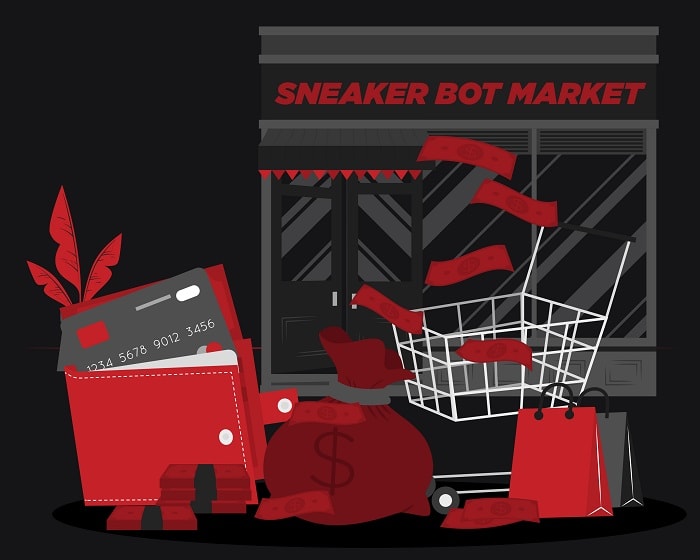
When waitlisted third-party software sells out on primary dashboards, buyers often check the secondary sneaker bot resale market. On brokered exchanges, scarce third-party lifetime or renewal keys have historically traded between $1,000 and $8,000 depending on seasonal demand. Accounting for $30 to $60 monthly renewal fees keeps long-term overhead predictable. Smart operators reserve extra capital for proxy data.
When Should Beginners Rent a Bot Versus Buying a License?
Testing a platform through a verified sneaker bot rental marketplace allows newcomers to evaluate the interface before spending $300 to $500 upfront. Daily or weekly rentals typically cost between $15 and $75 per drop depending on the headline release. Renting for a two-week window gives you enough time to practice task creation, profile imports, and captcha harvester logins.
Once you plan to target more than four major releases per quarter, owning a license becomes more economical than paying weekly rental rates. Full license holders also receive direct access to private Discord documentation, early link monitors, and automatic version updates. Evaluating both paths ensures your software matches your monthly release calendar.
Allocating at least 25% of your total setup budget to clean residential and ISP proxies is just as important as selecting the checkout software itself.
Which Storefront Modules Matter Most for Your Target Releases?
Different sneaker retailers run on distinct e-commerce back-ends. Your chosen software must support the exact sites where your target shoes drop. Boutique collaborations almost exclusively launch on Shopify storefronts. Meanwhile, general-release Jordan retros heavily populate Foot Locker and Champs Footsites. Demandware powers major athletic chains, and Supreme runs custom weekly Thursday drops.
Shoppers focused strictly on Beaverton launches often compare dedicated SNKRS automation bots. Those tools manage account sessions and randomized draw entries. However, hyped collaborations release across both SNKRS and boutique Shopify domains. Because of that split allocation, most experienced collectors prefer an all-in-one platform. Supporting four or more site categories under one roof prevents you from needing separate tools for every drop.
| Software Category | Typical Third-Party Retail | Historical Resale Range | Primary Target Storefronts |
|---|---|---|---|
| Third-Party All-in-One (AIO) | $300 to $500 | $1,000 to $8,000 | Shopify, Footsites, SNKRS, Supreme |
| Single-Category Boutique Tool | $150 to $250 | $250 to $600 | Shopify or Supreme only |
| Dedicated Account Draw Tool | $150 to $300 | $200 to $450 | SNKRS Draws and LEO drops |
| Weekly Drop Rental Pass | $15 to $75 per week | $0 (temporary key) | Varies by rented AIO platform |
How Do Rate Limits and Bot Defenses Affect Module Performance?
Modern e-commerce storefronts deploy multi-layered traffic filters that test how well a bot maintains its request modules. According to Shopify API rate-limit documentation, high-concurrency flash sales trigger dynamic checkout queues. Storefronts also enforce strict per-IP request throttling during peak traffic. A well-engineered Shopify module paces its monitoring delays carefully. That pacing avoids temporary IP blocks while waiting for size restocks on launch morning.
At the network edge, Cloudflare Bot Management inspects TLS handshakes, HTTP header order, and behavioral signals to score incoming requests. Simultaneously, U.S. buyers should understand FTC online shopping rules. Those federal guidelines distinguish regulated event-ticket statutes from retailer terms of service. Pairing your software with clean ISP and residential proxies keeps request fingerprints aligned with store requirements.
| Infrastructure Component | Monthly Cost Range | Recommended Quantity | Primary Technical Role |
|---|---|---|---|
| Residential Proxy Data | $30 to $75 per 5GB | 2GB to 5GB per month | Rotates IPs across Footsites and SNKRS |
| Dedicated ISP Proxies | $35 to $65 per 25 IPs | 25 to 50 static IPs | Provides low-ping speed on Shopify |
| Virginia Sneaker Server | $40 to $90 per month | 1 remote vCPU instance | Reduces latency to retail data centers |
| Captcha Solver Credits | $10 to $25 per month | 1,000 to 3,000 solves | Handles HCaptcha and checkpoint queues |
How Can Buyers Verify Real Checkout Logs and Avoid Scams?
Unverified websites promising 100% checkout guarantees across every sneaker store for a flat $150 fee are almost always fraudulent. Anti-bot defenses change weekly across Shopify, Footsites, and SNKRS. Because of those constant updates, no legitimate developer can promise automatic success without proper proxies and profiles. Buyers should always cross-check recent release recaps before entering payment details on an unfamiliar site.
Legitimate platforms publish timestamped webhook checkout logs from verified Discord members after every Saturday release. Checking independent community discussions on Reddit and established cook groups helps verify real performance. Those public logs reveal whether a bot’s modules succeeded on recent drops. You should also verify that the software offers active Discord support tickets, clear setup guides, and frequent patch notes.
How Do Leading All-in-One and SNKRS Platforms Compare?
When comparing established platforms in our complete guide to sneaker bots, operators look for cross-OS compatibility and multi-site depth. Running native macOS and Windows builds eliminates the extra expense of renting a remote Windows server just to launch tasks. Intuitive task groups, built-in monitors, and one-click captcha harvesters also shorten the learning curve for beginners.
Across the multi-site landscape, collectors regularly evaluate Valor AIO, Cybersole, Stellar AIO, The Shit Bot, and NikeShoeBot based on their target storefronts. Some tools specialize narrowly in regional SNKRS accounts or retail box-store restocks. By contrast, full all-in-one suites cover Shopify, Footsites, SNKRS, and Supreme together. Matching those module strengths to your personal release calendar ensures consistent performance every week across all major retail drops.
Why do some third-party bots cost $1,000 to $8,000 on resale marketplaces?
When third-party developers cap license supply at $300 to $500 retail and close public registration, secondary marketplace bids can climb between $1,000 and $8,000 during peak sneaker seasons.
Can a beginner run tasks without buying proxies or a virtual server?
You can run a small number of local tasks on your home IP address, but running more than 3 to 5 tasks per store requires residential or ISP proxies to avoid rate-limit blocks.
Tagged