Sneakers 101 Guide: 10 Historical Facts Every Collector Should Know

Our Sneakers 101 guide covers ten verified historical facts that every sneakerhead should know about athletic footwear. From London’s 1862 Brixton prison “sneaks” slang to Converse passing 1 billion Chuck Taylor sales by 2014, footwear history spans over 160 years. Key milestones include Adidas buying the Three Stripes in 1952 for €1,600 and the 1972 Nike Moon Shoe selling for $437,500 at auction. Below is the complete 10-fact breakdown.
- 1862 & 2014 Origins: London inmates coined “sneaks” for silent rubber soles in 1862, while Converse Chuck Taylors surpassed 1 billion pairs sold by 2014.
- 1952 & 1968 Brand Rivalries: Adidas bought the Three Stripes logo from Karhu in 1952 for €1,600 and two whiskey bottles, while Bill Bowerman named the 1968 Nike Cortez to counter Adidas’s Azteca.
- 1972 $437,500 Moon Shoe: Bill Bowerman poured liquid urethane into his wife’s waffle iron, creating the 1972 Moon Shoe that sold for $437,500 at Sotheby’s in July 2019.
- 1973-2021 Athlete & Air Milestones: Covers the 1973 Puma Clyde debut, Michael Jordan’s 1984 preference for Adidas, Tinker Hatfield’s 1987 Air Max 1, and 2021 Air Max retro revivals.
How Did 1862 Brixton Prison Slang and Converse Chucks Shape Footwear History?
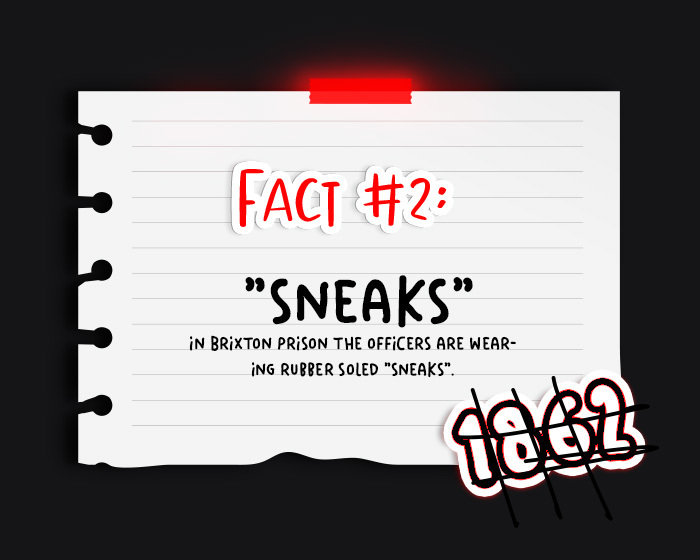
Two early milestones explain both the name and the commercial reach of modern athletic shoes. In 1862, female inmates inside London’s Brixton prison coined the word “sneaks.” They used the term for the vulcanized rubber-soled shoes worn by prison wardens. Hard leather boots echoed loudly down stone corridors. Rubber soles let guards walk silently during night patrols.
Fifty-five years later in 1917, Converse introduced its canvas All Star basketball high-top. Basketball player Charles “Chuck” Taylor joined the Converse sales force in 1921. He hosted coaching clinics across America and added his signature to the ankle patch in 1932.
Per trademark litigation filings reported by The Fashion Law, Converse Chuck Taylor All Star sales surpassed 1 billion pairs globally by 2014. The canvas high-top remains the best-selling basketball silhouette in footwear history.
Why Did Adidas Buy Its Stripes in 1952 and Inspire the 1968 Nike Cortez?
Fierce European and Olympic rivalries produced two of the most famous sneaker brand logos and model names. After the 1952 Helsinki Summer Olympics, Adi Dassler faced a trademark conflict. Finnish athletic brand Karhu already owned the Three Stripes mark on track shoes. Adidas bought the trademark rights from Karhu in 1952 for €1,600 plus two bottles of whiskey.
Sixteen years later ahead of the 1968 Mexico City Summer Olympics, Bill Bowerman designed a cushioned distance runner. The Blue Ribbon Sports co-founder worked closely with Japanese partner Onitsuka Tiger. Bowerman merged two Onitsuka models and named the prototype “Aztec.”
Adidas quickly threatened legal action over its own “Azteca Gold” track spike. Bowerman responded by renaming the 1968 shoe “Cortez” after Spanish conquistador Hernán Cortés, who conquered the Aztec Empire. That bold silhouette later anchored Nike’s founding history.
How Did a Waffle Iron Create the $437,500 Nike Moon Shoe and Visible Air?
Experimental cushioning prototypes at Nike repeatedly overcame internal skepticism to set industry records. In 1971, Bill Bowerman poured liquid urethane into his wife Barbara’s Belgian waffle iron. He wanted a studded traction outsole without heavy metal track spikes. Only 12 handmade pairs of the 1972 “Moon Shoe” were built for the Eugene Olympic Trials.
From a ruined 1971 kitchen waffle iron to a $437,500 Sotheby’s auction record in July 2019, Bill Bowerman’s handmade Moon Shoe remains the most valuable vintage running prototype ever sold.
According to official Guinness World Records auction data, collector Miles Nadal paid $437,500 for an unworn 1972 Moon Shoe at Sotheby’s in July 2019. Fifteen years after the Moon Shoe, architect Tinker Hatfield cut a window into a 1987 midsole. He launched the Nike Air Max line despite fierce internal doubts, sparking a line that saw major retro revivals in 2021.
Why Did Puma Launch the 1973 Clyde and Why Do Jordans Drop on Saturdays?
Basketball endorsements reshaped how brands build and schedule signature footwear. In 1973, New York Knicks guard Walter “Clyde” Frazier asked Puma for a custom court shoe. He requested a wider, lighter suede version of the classic Puma Suede. The 1973 Puma Clyde became the first basketball sneaker re-engineered for an NBA player ($20 retail in 1973).

Eleven years later in 1984, rookie Michael Jordan initially wanted to sign with Adidas. That negotiation appeared in The Last Dance documentary. Adidas executives hesitated to build a signature basketball line in 1984. Per archival contract data, Jordan signed a five-year, $2.5 million endorsement deal with Nike instead.
Weekday Air Jordan launches later caused thousands of students to skip school during the late 1990s. Nike responded by moving flagship retro releases to Saturday mornings. The table below summarizes these key historical milestones.
| Historical Milestone | Year | Brand / Creator | Verified Historical Figure |
|---|---|---|---|
| Brixton Prison “Sneaks” Slang | 1862 | London Prison Wardens | 160+ years of sneaker etymology |
| Three Stripes Trademark Sale | 1952 | Karhu to Adidas | €1,600 + 2 whiskey bottles |
| Nike Cortez Olympic Debut | 1968 | Bill Bowerman / Onitsuka | 1st full-length dual-density midsole |
| Nike Waffle “Moon Shoe” | 1972 | Bill Bowerman / Hollister | $437,500 Sotheby’s auction record |
How Do Factory Disclosures and GOAT Fees Apply to Vintage and Retro Pairs?
Global footwear production and secondary trading now operate at vast industrial scale. Per the official Nike Global Manufacturing Map, over 500 independent contract factories manufacture Nike, Jordan, and Converse products. Those facilities employ more than 1 million workers across 41 countries worldwide.
Collectors frequently trade modern retros of the 1968 Cortez, 1973 Puma Clyde, and 1987 Air Max 1. Platform commissions directly determine net payouts on secondary marketplaces. According to the official GOAT seller fee schedule, sellers in good standing pay a 9.5% base commission. GOAT also deducts a $5 flat fee and a 2.9% cash-out fee.
Sellers can leave proceeds in platform credit to avoid the 2.9% transfer fee. The table below compares retail baselines, aftermarket asks, and net payouts across four iconic models.
| Iconic Silhouette | Debut Year | Modern Retail / Resale | Net Seller Payout (GOAT Fees) |
|---|---|---|---|
| Converse Chuck 70 High | 1917 / 2014 | $90 retail / $110 ask | $91.81 net ($18.19 total fee) |
| Nike Cortez Leather OG | 1968 | $90 retail / $135 ask | $113.78 net ($21.22 total fee) |
| Puma Clyde Archive | 1973 | $95 retail / $125 ask | $104.99 net ($20.01 total fee) |
| Nike Air Max 1 ’86 OG | 1987 | $150 retail / $220 ask | $188.47 net ($31.53 total fee) |
How Do SNKRS Draws and Checkout Bots Handle Saturday Retro Releases?
Saturday morning retro drops now take place through randomized mobile ballots and high-speed online queues. According to the official Nike SNKRS Draw guide, flagship releases open a 10-minute entry window at 10:00 AM EST. Automated email notifications confirm winning orders minutes after the draw closes. Buyers should preload payment cards and shipping details before launch time.
Shopify boutiques, Footsites, and SNKRS often release limited retro allocations simultaneously. Collectors study our beginner guide to checkout bots to understand multi-store checkout automation. Established multi-site platforms include Valor AIO, Cybersole, Stellar AIO, and NikeShoeBot.
Routing parallel checkout tasks through clean residential proxies prevents IP rate limits during peak Saturday drops. Pre-warming captcha solvers and separating billing profiles helps collectors secure archival retros at retail.
Why did Converse add Chuck Taylor’s name to the All Star ankle patch in 1932?
Semi-pro basketball player Charles “Chuck” Taylor joined Converse in 1921 to host basketball clinics across America and suggested ankle support and sole flexibility upgrades, prompting Converse to add his signature to the patch in 1932.
How many original 1972 Nike Moon Shoes were handmade for the Olympic Trials?
Only 12 pairs of the 1972 Nike Moon Shoe were hand-cobbled by early Nike employee Geoff Hollister using waffle-iron urethane soles molded by Bill Bowerman.