How to Stretch Sneakers: 5 Safe Methods for Tight Shoes

At a glance: Learning how to stretch sneakers safely means matching the method to your upper material. That way, you gain 0.25 to 0.5 sizes of width. This guide helps you get out of tight spots using 2-way shoe stretchers, thick socks, or freezer bags. However, we checked footwear conservation benchmarks across shoe repair guides to compare expansion limits, tool prices, and wait times.
- Key takeaways: According to the Journal of Foot and Ankle Research, 63% to 72% of adults wear improperly fitted shoes.
- Mechanical tools: Based on retail listings, a $10 wooden stretcher plus an $8 spray equals $18 total over 72 hours.
- Freezer physics: Under standard ice physics, water expands by 9% when freezing, so it pushes out tight toe boxes overnight.
- Professional cobbler: Based on local repair shop rates, cobblers charge $15 to $25 for machine stretching in 24 hours.
How Can You Measure Foot Size to Avoid Tight Sneakers Before Buying?
Measuring both feet in centimeters at the end of the day is the best way to prevent tight spots.
According to the Journal of Foot and Ankle Research, 63% to 72% of participants wore poorly fitted shoes in width or length. Because online shoppers often guess their size across brands, checking model lasts saves you from painful blisters. However, you should always measure both feet on a paper outline first.
In Nike’s foot measurement guide, feet swell by evening, while men’s and women’s shoes have a 1.5 size gap. However, each silhouette fits differently on your foot. Therefore, check our Air Jordan 1 size guide, Nike Dunk size guide, Yeezy size guide, Adidas size guide, and New Balance size guide before buying.
How Do Mechanical Shoe Stretchers Compare With a Professional Cobbler?
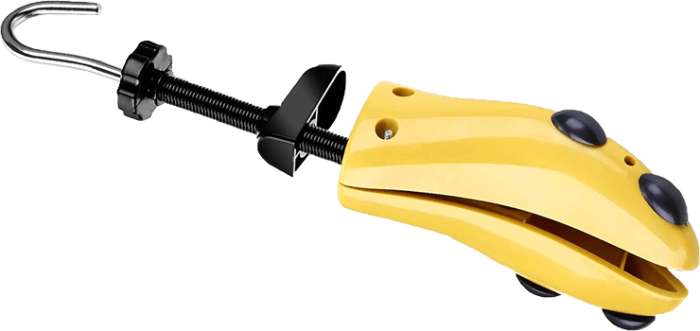
A 2-way mechanical shoe stretcher is the safest tool for widening leather or canvas uppers over 24 to 72 hours.
Before buying tools, wear your pair indoors for 2 or 3 evenings, because natural foot warmth breaks in stiff heel counters safely. However, if the forefoot still pinches, a mechanical stretcher applies steady outward tension. Based on retail marketplace listings, basic stretchers start at $10, while leather spray starts at $8 per bottle.
Insert the plastic bunion plugs into the tight spots. Next, turn the widening handle 2 full turns every 8 hours, and leave the tool inside for 3 days. On the other hand, if you want a faster strategy, local cobblers charge a listed rate of $15 per pair, so most repair shops finish stretching in 24 hours.
How Does the Thick Sock and Blow Dryer Method Work on Leather Uppers?
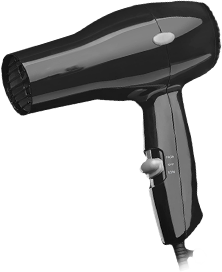
Warming leather uppers with a hair dryer for 20 to 30 seconds while wearing 2 thick socks softens tight fibers.
Put on 2 pairs of cushioned crew socks, lace your shoes snugly, and flex your toes. That movement helps you locate the tight spots. Next, set your hair dryer to medium heat. However, keep the nozzle 6 inches away from the upper while moving it for 25 seconds.
However, you must avoid overheating the midsole glue or drying out natural leather hides. According to the National Park Service, organic leather collections stay stable at 40% to 55% relative humidity. Excessive heat damages natural fibers quickly. Walk in the shoes for 15 minutes until the leather cools, then rub in a drop of conditioner.
Does the Ziploc Freezer Water Bag Trick Safely Widen Toe Boxes?
The Ziploc freezer bag method works by using the natural expansion of freezing water to push outward overnight.
Under crystallographic ice physics, ice frozen at atmospheric pressure is 8.3% less dense than liquid water. Therefore, that density shift equals a 9% volumetric expansion. Because that published 9% expansion pushes evenly, a sealed water bag acts as a custom internal mold inside synthetic uppers.
Fill 2 quart-sized freezer bags half full of water and squeeze out excess air. Then double-bag each pouch, because a second seal stops moisture leaks. Slide the bags deep into the toe boxes. Then place the pair in your freezer for 8 to 12 hours, because slow freezing prevents bag tears. Afterward, let the ice thaw for 20 minutes before sliding the bags out.

Which Stretching Method Works Best for Leather vs Suede vs Knit Sneakers?
Matching your method to leather vs suede vs knit uppers is essential because heat and water affect fabrics differently.
Full-grain leather responds well to mechanical stretchers, alcohol sprays, and gentle warmth because natural fibers relax and reset. By contrast, suede and nubuck stain easily if a freezer bag condenses. Therefore, you should only use a dry mechanical stretcher on suede panels.
Meanwhile, engineered mesh and knit uppers already contain elastic yarns, so heat can warp synthetic threads. According to Nike, you should always air dry sneakers at room temperature away from harsh heat. For knit shoes, stuff the toe box with cedar shoe trees or rolled socks for 48 hours instead.
| Stretching Method. | Best Upper Material. | Typical Cost. | Active Time. | Expected Width Gain. |
|---|---|---|---|---|
| 2-way shoe stretcher and spray. | Full-grain leather, suede, and canvas. | $18 ($10 tool plus $8 spray). | 24 to 72 hours. | 0.25 to 0.5 size wider. |
| Professional cobbler machine. | Thick leather, basketball retro models, and suede. | $15 to $25 per pair. | 24 hours. | 0.5 size wider plus bunion relief. |
| Thick socks and blow dryer. | Natural leather and synthetic leather overlays. | $0 (household dryer). | 20 to 30 minutes. | 0.25 size spot relief. |
| Double-bagged freezer ice. | Canvas, synthetic uppers, and non-suede toe boxes. | $0 (household freezer bags). | 8 to 12 hours. | 9% bag volume expansion. |
| Cedar shoe trees or potato mold. | Knit, mesh, and light canvas uppers. | $0 to $20 per pair. | 12 to 48 hours. | Maintains natural width. |
For the most accurate measurement, measure your feet at the end of the day because feet swell slightly by evening.
Our Verdict and Aftercare Steps to Hold the New Shape
Cedar shoe trees stop stretched leather uppers from shrinking back.
Verdict: Our recommendation is to use a listed $10 2-way mechanical stretcher or a listed $15 cobbler visit, because controlled mechanical tension is safer than heat or ice on consumer footwear. Once your shoes fit comfortably, read our guides on how to uncrease shoes and sneaker storage so you keep the uppers smooth.
You should also track 3 simple aftercare metrics after widening a pair. First, let stretched leather rest on cedar trees for 12 hours after wearing so moisture evaporates evenly. Second, swap thick insoles for thinner 3 mm orthotic liners if your instep still feels snug, because a thinner footbed adds instant vertical toe room without stressing outer seams.
- Shoe Last.
- The 3-dimensional foot mold used to shape a sneaker’s length, toe box height, and forefoot width.
- Bunion Plug.
- A small plastic insert that snaps into a mechanical stretcher to push out a tight spot.
- Lasting Margin.
- The bottom edge where upper material attaches to the insole board, limiting total length stretching.
Can you stretch a sneaker to make it a full size longer?
No. Because the rubber cupsole and stitched lasting board fix total shoe length, home tools only widen the toe box by 0.25 to 0.5 sizes. They cannot extend the rubber outsole length.
Does putting a peeled potato inside a shoe really stretch it?
A peeled potato wrapped in a paper towel acts as a mild overnight shoe tree. However, a listed $10 adjustable wooden stretcher provides far more consistent width tension without leaving starch residue.