What Is an NFT Airdrop? 4 Token Distribution Types & Wallet Safety Guide

An NFT airdrop is an automated blockchain transfer that sends free NFTs directly to eligible Web3 wallet addresses. Knowing what you gotta know about these promotional drops helps collectors separate genuine rewards from phishing contracts. Studios use scheduled wallet snapshots to reward early adopters, distribute governance passes, or unlock physical sneaker redemptions.
- Four Distribution Models: Projects run Standard (registration), Bounty (social tasks), Exclusive (curated community), and Holder (snapshot) distributions.
- BAYC 2021 Benchmark: On August 28, 2021, Yuga Labs distributed 10,000 Mutant Serum vials (M1, M2, and M3 tiers) to Bored Ape holders at $0 mint cost.
- Gas & Claim Costs: Push transfers credit wallets automatically for $0, whereas pull claims require users to pay network gas fees ($2 to $45 per claim).
- Physical Sneaker Links: Web3 footwear studios pair ERC-1155 redemption passes with physical pairs that trade on eBay under an 8% fee structure at $150+.
How Does an NFT Airdrop Distribute Digital Collectibles to Wallets?
At the protocol level, an NFT airdrop uses a batch transfer function to deliver ERC-721 or ERC-1155 assets. Learning core NFT terms makes it easy to distinguish between push transfers and pull claims. In a direct push transfer, the creator pays all network gas fees. The studio then deposits the digital collectible straight into recipient wallets.
In a pull-based claim, the project publishes a verified smart contract for eligible addresses. Qualified users mint their reward for $0 plus gas fees ranging from $2 to $45 per transaction. Collectors who study how to buy NFTs keep a dedicated claim wallet funded with ETH or SOL. Unclaimed editions usually expire after a 30-day or 90-day window. Merkle-tree proof lists verify address eligibility on-chain without storing massive arrays.
How Do Standard and Bounty Token Distributions Compare?
New creators learning how to create an NFT often choose between Standard and Bounty campaigns. Standard campaigns ask participants to register a public address before a fixed supply cap fills up. Most promotional launches cap standard allocations between 1,000 and 5,000 editions. When signups exceed supply, organizers run a randomized allowlist raffle.
Bounty campaigns require measurable promotional work before an address qualifies for the distribution list. Typical tasks include sharing launch posts on X or inviting 5 to 10 verified Discord members. Because bounty editions carry a $0 mint price, secondary listings start among cheap NFTs priced at $10 to $75. Automated bots are filtered out through Captcha verification before tokens ship. Point leaderboards track verified referrals across multi-week marketing sprints.
Why Do Projects Launch Promotional Drops and What Scams Exist?
Studios distribute free collectibles to bootstrap secondary trading volume and reward loyal community members. By seeding 2,000 to 10,000 individual holders, a brand creates an active holder base overnight. No upfront mint fee is charged during these promotional rounds. However, bad actors frequently weaponize unsolicited token transfers to trap unguarded collectors.
A 2022 cybersecurity analysis of common NFT scams on Small Business Trends detailed how fake drops operate. Scammers send mysterious collectibles into public wallets that direct owners to phishing websites. Signing a malicious setApprovalForAll prompt or an NFT rug pull contract exposes your entire vault. Attackers can then transfer high-value collectibles out without further prompts. Legitimate studios never ask for a 12-word seed phrase during a claim.
How Do Exclusive and Holder Snapshot Rewards Work in Practice?
Established studios rely on Exclusive and Holder distributions to reward long-term supporters. Exclusive campaigns target a curated allowlist of early Discord moderators or beta testers. Live event attendees who scan a Proof of Attendance Protocol (POAP) badge at a sneaker convention also qualify. No public raffle is needed for these verified addresses.
Holder distributions use an on-chain block snapshot to verify which addresses hold a parent blue-chip NFT. Every wallet holding the parent collectible at that exact block height receives a companion item. Most holder snapshots credit wallets on a strict 1-to-1 ratio. Unlisted vault items often qualify for bonus rarity tiers during snapshot checks.
The table below compares entry rules, supply caps, and gas responsibilities across all four distribution categories.
| Distribution Type | Qualification Requirement | Typical Supply Cap | Delivery & Gas Mechanism |
|---|---|---|---|
| Standard Distribution | Public address signup & raffle | 1,000 to 5,000 editions | Pull claim ($2 to $25 gas fee) |
| Bounty Distribution | Social referrals & content tasks | 500 to 3,000 editions | Batch transfer or pull claim |
| Exclusive Distribution | Verified beta or event POAP list | 100 to 1,000 editions | Direct push ($0 recipient gas) |
| Holder Snapshot Drop | On-chain genesis asset ownership | 1-to-1 with parent supply | Direct push or claim contract |
How Did the 2021 Mutant Ape Serum Drop and Sneaker Redemptions Perform?
The most famous holder snapshot occurred on August 28, 2021 for Bored Ape owners. Yuga Labs distributed 10,000 Mutant Serum vials across M1, M2, and rare M3 Mega Mutant tiers. Per the Blockonomist Mutant Ape Yacht Club report, holders exposed their Ape to a serum vial to mint a Mutant Ape for $0 plus gas. Their original Bored Ape remained untouched in the wallet.
Delivering 10,000 free Mutant Serum vials alongside 10,000 public-sale Mutants (priced at 3 ETH each) expanded the club to 20,000 Mutant Apes without diluting the original 10,000 Bored Apes.
Footwear studios adapted this holder model by sending digital forging passes that unlock physical sneakers. Redemption storefronts often enforce Shopify API rate-limit rules (40-request bucket refilling at 2 requests per second). When collectors resell those physical pairs on eBay at $150 or more, eBay’s 8% sneaker fee schedule deducts 8% of the gross sale price.
| Snapshot / Forging Case Study | Eligibility Snapshot Rule | Claim Cost & Supply | Secondary Market / Fee Structure |
|---|---|---|---|
| BAYC M1 & M2 Mutant Serums (2021) | 1 vial per Bored Ape held | $0 claim + ETH gas (9,992 vials) | Created 10,000 holder Mutant Apes |
| BAYC M3 Mega Mutant Serum (2021) | Random 1-of-8 rare tier drop | $0 claim + ETH gas (8 vials) | Reached 1,000+ ETH peak sales |
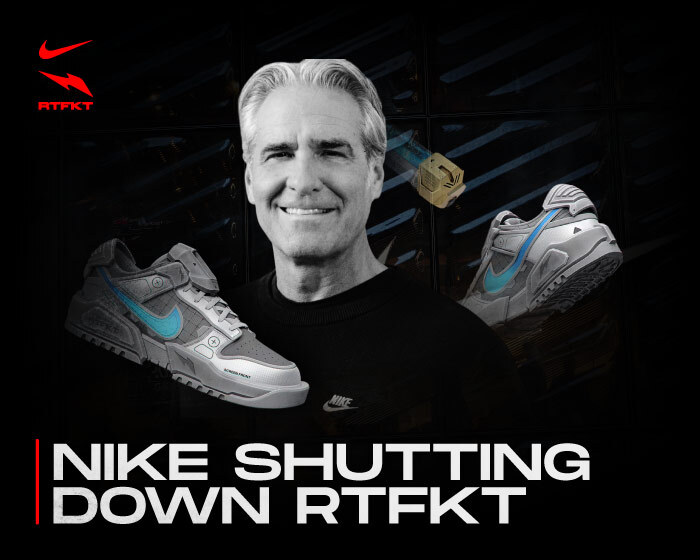
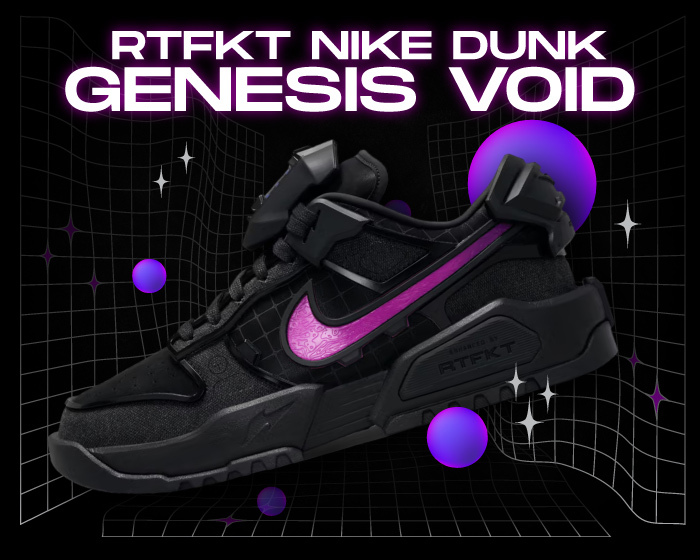
| RTFKT x Nike Cryptokicks Vial (2022) | 1 monolith per CloneX held | $0 push drop (20,000 monoliths) | Unlocked skin vials & Dunk Genesis |
| Redeemed Physical Collaboration Pair | Burn or forge ERC-1155 pass | $250 gross sale ($150+ tier) | $230.00 net after $20.00 (8% eBay fee) |
How Can Collectors Verify Smart Contracts and Protect Vault Assets?
Protecting high-value digital assets during claim windows requires strict wallet segregation. Collectors who understand NFT smart contracts never connect a cold-storage vault to an unfamiliar claim portal. Instead, they route every registration and pull claim through a segregated hot wallet. That burner address holds only enough ETH or SOL to cover network gas.
- Three-Tier Wallet Separation: Keep long-term holdings in a hardware vault with zero dApp permissions, use a second wallet for verified marketplace bids, and use a third burner wallet for promotional claims.
- Ignore Hidden Folder Spam: Never click external URLs inside the description of unsolicited tokens that appear in your OpenSea or Phantom hidden folder.
- Verify Contract Addresses: Cross-check the official contract address on Etherscan against announcements in the project’s read-only Discord channel before signing any transaction.
Revoking outdated token approvals monthly on Etherscan’s Token Approval Checker closes lingering permissions before they can be exploited.
Why should you never try to sell an unknown token that appeared in your hidden folder?
Unsolicited hidden-folder tokens often use modified transfer functions or phishing links that prompt you to sign a wallet-draining approval when you attempt to list or burn them.
What is the difference between a push transfer and a pull claim?
In a push transfer, the project pays the blockchain gas fees and sends the collectible straight to your address, whereas a pull claim requires you to visit the official contract and pay gas to mint your item.