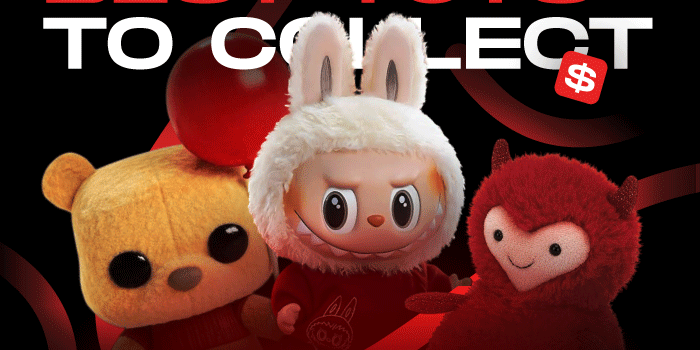
The best toys to collect are the lines where a small, hard-to-find tier sits on top of a huge general release. Our six are Hot Wheels, Pokémon cards, Pop Mart’s Labubu, Barbie, Funko Pop and Jellycat. But what makes a piece one that collectors chase is a short run, a random pull or a members-only window, not the logo. We go through all six below, so you can see the dates and prices our sources print.
- In short: rarity, condition and packaging decide what a collectible toy sells for, far more than the brand.
- Oldest line here: Barbie, which debuted on 9 March 1959 at $3, according to Wikipedia’s Barbie entry.
- Classic chase: Hot Wheels Treasure Hunts began in 1995 at 10,000 of each car, according to Wikipedia’s Hot Wheels entry.
- Biggest sale we found: $16.5 million for a PSA 10 Pikachu Illustrator in February 2026, according to Wikipedia’s Pokémon card game entry.
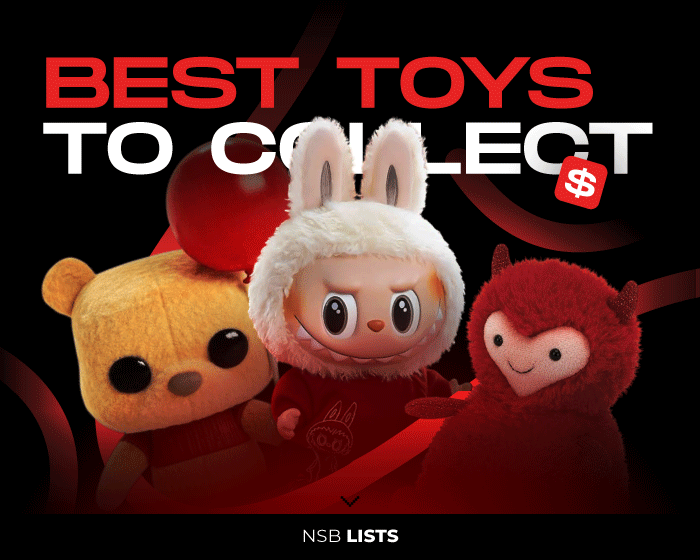
Mass releases vs limited runs: what makes a toy collectible?
A toy is collectible when far fewer copies exist than there are people who want one.
People often think toys are just playthings with an expiry date. Some get donated, whereas others go straight to the recycling bin. But collectors know a mass release and a limited run are different things, even with the same mold. Because general releases come out in huge numbers, most aren’t worth much more than what you paid at the shelf.
In fact, the pieces you see people chase sit in a thin layer on top. There is the chase variant, the numbered run, the blind-box secret and the members-only window. Condition matters too, because a sealed box or graded card differs from a loose one. Our overview of collectibles as a category covers the wider picture. For the marketplaces, see our guide on where to sell collectibles.
- Chase variant
- A rarer version of a figure inside a series, packed at a set ratio.
- Treasure Hunt
- A Hot Wheels car marked with a circle flame logo.
- Blind box
- A sealed box holding a figure chosen at random from a series.
- Graded card
- A card given a condition grade; PSA 10 (Gem Mint) is the top mark.
Which Hot Wheels cars do collectors hunt for?
The cars collectors hunt for are Treasure Hunts, Super Treasure Hunts and early prototypes, not the cars on the pegs.
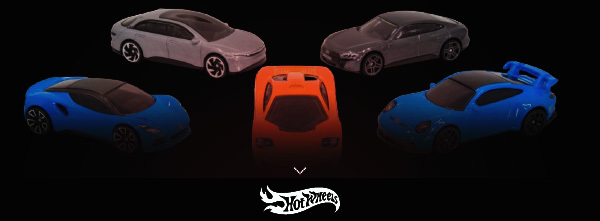
Who didn’t own Hot Wheels at some point? Mattel introduced the brand on 18 May 1968, according to Wikipedia’s Hot Wheels entry. Whether it’s a Batmobile or a vintage miniature, the company knows how to make toy cars. But because the general releases are everywhere, they rarely stand out.
Treasure Hunts are the classic chase. The same entry says Mattel introduced them in 1995 with an original run of 10,000 of each car. If you spot a circle flame logo on a car, you’re looking at one. In 2007, the entry says, Mattel split them into two tiers. Super Treasure Hunts carry Spectraflame paint and premium wheels, and are much harder to find.
At the very top sits the Volkswagen Rear Loader Beach Bomb, widely seen as the holy grail. The entry says the top price ever paid was close to $70,000, for a pre-production one in 2000. More in our guide on where to resell Mattel items.
Why do Pokémon cards top so many collector lists?
Pokémon cards are on so many lists because a huge player base chases a small number of rare, high-grade cards.
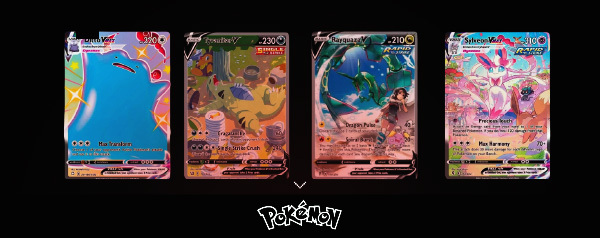
As of March 2026, the card game had produced over 85 billion cards worldwide, according to Wikipedia’s entry on it. The entry credits that count to The Pokémon Company. It also says the game held an 82% share of Europe’s strategic card game market in 2017.
That said, condition does most of the work. The entry says a high-grade card can be worth far more than an ungraded one. Many collectors use PSA 10 (Gem Mint) as the benchmark. If your set has rare cards in top shape, that’s what this market cares about.
At the extreme end sits the PSA 10 Pikachu Illustrator. It sold for $5,275,000 in July 2021 and for $16.5 million in February 2026, according to the same entry. For where people buy and trade, see our guide on where to buy and sell Pokémon cards. For what a card in your binder might fetch, read how much Pokémon cards are worth.
What is Labubu, and why do collectors chase it?
Labubu is a cute, slightly scary monster from Kasing Lung’s The Monsters, often sold by Pop Mart in blind boxes.
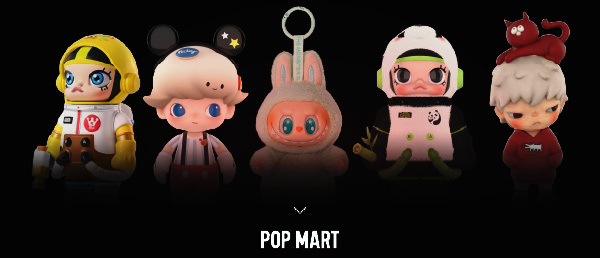
New to Pop Mart? Our Pop Mart explainer gets you up to speed. According to Wikipedia’s Labubu entry, the character was introduced in 2015. The entry says it gained wider recognition in 2019 after a Pop Mart collaboration.
The blind box is the hook, because you can’t pick. Each box holds a random figure from a series. But that means you don’t know which one you’ve got until you open it, and your full set usually takes more than one box. For the hardest pulls, see our secret rare Labubu piece.
The entry counts over 300 different Labubu figures by 2025. According to the entry, they ran from US$15 for an 8 cm vinyl figure to $960 for a 79 cm “mega” edition. In June 2025, a 1.2 metre mint-green Labubu sold for $170,000 at the first official Labubu auction in Beijing, the entry says. Because fakes circulate, read how to spot a fake Labubu before you buy secondhand.
Barbie, from the 1959 original to the LeBron James Kenbassador
The Barbie pieces collectors chase are vintage dolls and releases such as the LeBron James Kenbassador, which Mattel Creations sold in a Barbie Club 59 window.
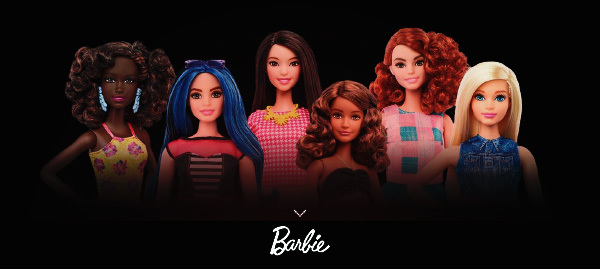
Barbie debuted at the American International Toy Fair on 9 March 1959, according to Wikipedia’s Barbie entry. The entry says she retailed for three dollars and that Ken first appeared in 1961. In September 2006, a Barbie set a world auction record of £9,000 (US$17,000) at Christie’s, the entry says.
Peeps, you know the LeBron doll. Mattel’s page opens like this:
“We’re thrilled to introduce LeBron James as the first doll in our Kenbassadors line.”
We checked that page and StockX on 9 October 2026, because the prices differ:
- Retail price and release date, per StockX: $75, 14 April 2025.
- Listed on Mattel Creations, 9 October 2026: $81.00 and Sold Out; the page names a Barbie Club 59 window, 18 to 19 November 2025.
According to those pages, the Mattel Creations price is about 8% above the StockX retail ($6 on $75). If you want to see what a checkout bot does with a drop like this, NikeShoeBot’s guides walk through it retailer by retailer.
Why do some Funko Pops sell for more than others?
Some Funko Pops sell for more because they are exclusives or chase variants, which turn up less often.
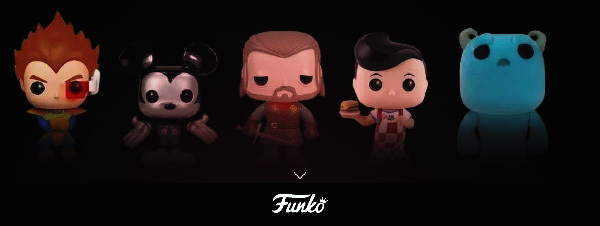
Are you a Star Wars fan? Harry Potter? Anime? You name it, and there’s a Funko Pop for you. Funko was founded in 1998 and began selling its Pop! Vinyl line in 2011, according to Wikipedia’s Funko entry. Because there’s a Pop for almost everything, a standard figure rarely stands out.
The ones that do are exclusives and chase variants. Funko’s convention exclusives started at San Diego Comic-Con in 2006, the entry says. Retail exclusives run through stores such as Target, Walmart, Hot Topic and GameStop. If you pull a chase, you’ve got the rarer version.
However, chases got more common over time. According to the same entry, the chase ratio started at 1 in 36 and has since gone to 1 in 6. Using figures from the entry, the share moved from about 2.8% (1 ÷ 36) to about 16.7% (1 ÷ 6). If you wanna know more, our guide to the world of Funko Pops covers it.
Jellycat, the plush line adults collect too
Jellycat is a London plush brand whose soft, slightly odd characters have built a significant adult following.
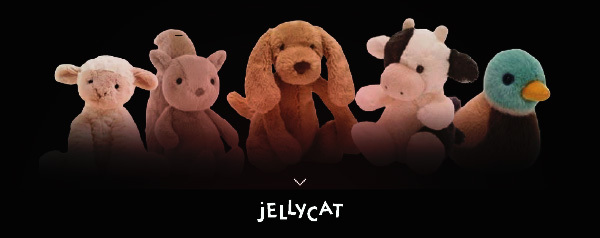
Last but definitely not least, Jellycat. Brothers Thomas and William Gatacre co-founded the company in London in 1999, according to Wikipedia’s Jellycat entry. The entry says the brand was first marketed to young children. However, adults, particularly Gen Z, have become a significant part of its consumer base.
These plushies are not your average teddy, but that’s the point. Each character has its own look, and everybody likes to own something a little special. Unlike a blind box, you pick exactly the one you want. As a result, the chase is about finding a specific character, not about luck.
The entry mentions a thriving secondary market for Jellycat toys but gives no prices. Because we couldn’t confirm a dated sale from a page we could open, we’re not printing one. If you’re after a cute companion rather than a shelf piece, Jellycat is still the easy pick on this list.
Our take: which of these toys to start with
The line to begin with is the one you’d enjoy owning even if nobody else wanted it, and its rare tier comes second.
However, the six lines differ more than they look. Hot Wheels and Funko Pop are the easiest to start, because the standard pieces are everywhere. In addition, their chase tiers follow rules you can learn. Pokémon cards carry the highest recorded prices on this page, but almost all of that sits with graded rarities.
Labubu and the LeBron doll show two other ways a release decides who gets a piece: a random blind-box pull and a members-only buying window on Mattel’s own store.
Market prices move and are shown for reference, not as a promise. Toys and sneakers run on the same logic of limited runs and retail drops. So if you like one, you may well like the other. Our history of the sneaker industry shows how that market grew. Our guide to starting a sneaker collection covers your first steps, and our blog has the rest.
| Toy line | First out | Rare tier collectors chase | A dated price on record | Source |
|---|---|---|---|---|
| Hot Wheels | 1968 | Treasure Hunts (1995), Super Treasure Hunts (2007) | Close to $70,000 for a pre-production Beach Bomb, 2000 | Wikipedia, Hot Wheels |
| Pokémon cards | 1996 (Japan) | PSA 10 graded rarities | $16.5 million for a Pikachu Illustrator, February 2026 | Wikipedia, Pokémon TCG |
| Labubu | 2015 | Blind-box pulls and large editions | $170,000 for a 1.2 metre figure, June 2025 | Wikipedia, Labubu |
| Barbie | 1959 | Vintage dolls and Mattel Creations member-window dolls | $75 retail for the LeBron James doll, April 2025 | Wikipedia, Barbie; StockX |
| Funko Pop | 2011 | Exclusives and chase variants (1 in 6) | No dated sale confirmed | Wikipedia, Funko |
| Jellycat | 1999 | Specific characters | No dated sale confirmed | Wikipedia, Jellycat |