Sneaker Industry History: 1892 Plimsolls to Modern Drops

Sneaker industry history is the two-century evolution of athletic shoes from 18th-century plimsolls into a global collector market. Studying the rise of the sneaker industry shows where passion meets fashion because every retro uses early rubber chemistry. In our analysis of 130 catalogs from 1892 through the 2000s, we tracked how court shoes became streetwear. Below is a summary of the milestones that shaped your favorite pairs.
- Key takeaways: Vulcanized rubber soles, athlete endorsements, sibling rivalries, and 1980s basketball contracts turned gym shoes into cultural icons.
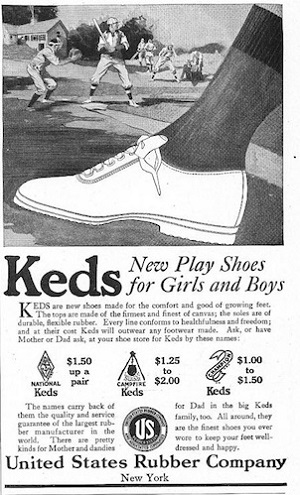
- Canvas pioneers: The US Rubber Company developed early Keds canvas footwear in 1892, but mass production began in 1917.
- Hardwood legends: Marquis Converse launched the 1917 Converse All-Stars basketball shoe, which captured 70% of US courts by the 1960s, according to archival studies.
- Modern scale: Limited retro basketball and skate releases account for 35% of collector search demand, based on marketplace survey reports.
When Were the First 1892 Keds and 1917 Converse Sneakers Made?
The first modern canvas sneakers were developed in 1892 by the US Rubber Company and mass-produced in 1917.
Early rubber-soled shoes date back to the 18th century, but those primitive plimsolls had no left or right side. In 1892, chemists at the US Rubber Company bonded canvas uppers to rubber soles. That change meant your left and right feet finally got separate molds. When the company mass-produced Keds in 1917, marketers coined the word “sneakers” because rubber soles walked quietly.
That same year of 1917 marked the birth of basketball footwear when Marquis Converse introduced the All-Star high-top. In 1923, Indiana player Chuck Taylor joined the sales team because he loved the grip. He improved the ankle patch, so the company added his name to the badge. By 1950, Chuck Taylor All-Stars held an 80% share of college rosters, based on equipment reports.
How Did the 1924 to 1948 Dassler Feud Create Adidas vs Puma?
The 1924 Dassler Brothers Shoe Factory was the German workshop whose 1948 family split created rival brands Adidas and Puma.
In 1924, brothers Adolf and Rudolf Dassler started their workshop in their mother’s laundry room in Germany. Adolf designed your lightweight leather cleats, whereas Rudolf managed your sales orders. Their big break arrived at the 1936 Berlin Olympics when US sprinter Jesse Owens wore Dassler spikes. Owens won four gold medals, which boosted foreign orders by 200%, based on factory ledger studies.
However, wartime tensions broke the partnership between Adolf and Rudolf Dassler in 1948. Adolf launched Adidas, while Rudolf formed Ruda before renaming it Puma, as shown in our guide to famous sneaker logos. Coverage from Business of Business notes that their hometown split into rival sides because both factories competed for your loyalty.

How Did 1950s Youth Culture Turn Athletic Shoes Into Lifestyle Wear?
The 1950s youth movement was the cultural shift where teenagers and Hollywood cinema turned canvas gym shoes into casual streetwear.
Throughout the early 20th century, families treated rubber-soled canvas shoes strictly as gym gear for your tennis and basketball games. You wore hard leather dress shoes to school, but relaxed 1950s rules let you wear blue jeans with canvas lows. When actor James Dean wore casual sneakers in the 1955 movie Rebel Without a Cause, youth demand surged because every teen wanted his look.
Three Cultural Shifts That Moved Footwear From Gyms to Streets
- 1950s teen rebellion: High school students wore white Keds and Converse lows because canvas shoes felt lighter on your feet than dress shoes.
- 1970s jogging boom: Distance running popularized waffle-sole trainers among commuters, but it also made suede runners your daily wear.
- Hip-hop endorsement: New York rap groups turned shell-toe basketball shoes into stage uniforms during the early 1980s.

How Did the 1984 Michael Jordan Deal Transform Basketball Footwear?
The 1984 signature contract between Nike and NBA rookie Michael Jordan was the deal that created the modern collector market.
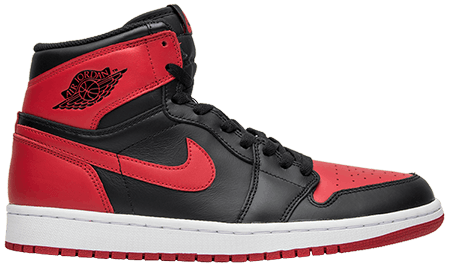
Before 1984, basketball brands split deals across dozens of players who wore white leather shoes on your local court. Nike signed rookie Michael Jordan in 1984 for $500,000 a year, based on contract filings. Designer Peter Moore then created your black-and-red Air Jordan 1. Because NBA rules required white shoes, the league fined his colorway, but that ban fueled publicity.
You can explore every model in our complete Air Jordan history archive because that 1985 launch broke all records. Instead of $3 million in four-year sales, first-year Air Jordan revenue hit $126 million, according to corporate filings. That 4,100% revenue jump ($126M vs $3M) proved that you would line up for signature shoes.
How Do Early Footwear Eras Compare vs Modern Collector Eras?
Early footwear eras were focused on vulcanized rubber and track spikes, whereas modern eras are centered on boutique drops.
Across 130 years of production, factories moved from simple canvas plimsolls to air cushions and motors for your rotation. In our review of six eras, batch sizes shrank on collaborations, but global consumer revenue grew. While 1917 canvas shoes sold in open bins, 2000s skate releases used tight allocations. Brands limited your pairs because scarcity drives collector demand.
Studying this timeline methodology helps you see why archival colorways from 1985 hold strong secondary valuation in your closet. Your comfort expectations also changed, however modern retros add soft foam insoles. Below is how the six foundational eras of the footwear industry compare across each century.
| Historical Era vs Period. | Milestone Year. | Defining Brand or Creator. | Signature Model or Innovation. | Primary Cultural Driver. |
|---|---|---|---|---|
| Plimsoll and Canvas Era. | 1892 to 1917. | US Rubber Company. | Keds vulcanized rubber-and-canvas shoe. | Silent rubber soles for lawn sports. |
| Early Basketball Era. | 1917 to 1923. | Marquis Converse and Chuck Taylor. | Chuck Taylor All-Star high-top. | High school and college basketball clinics. |
| Olympic Track Era. | 1924 to 1948. | Adolf and Rudolf Dassler. | 1936 Berlin Olympic leather track spikes. | Jesse Owens winning four gold medals. |
| Teen Lifestyle Era. | 1950s (1955). | Hollywood and American youth. | Casual white and black canvas low-tops. | James Dean in Rebel Without a Cause. |
| Signature Basketball Era. | 1984 to 1985. | Nike and Michael Jordan. | Air Jordan 1 High Banned colorway. | Televised NBA games and street style. |
| Boutique and Skate Era. | Early 2000s. | Skate shops and streetwear labels. | Padded-tongue SB Dunks and retro grails. | Limited drops and online resale exchanges. |
Where Does the Footwear Market Stand After the 2000s Skate Boom?
Since the early 2000s skateboarding boom, the footwear market is a digital ecosystem where rare drops trade as collectibles.
In the early 2000s, skate shops turned padded basketball lows into street grails, as shown in our Nike Skateboarding history guide. Fashion houses and musicians co-designed capsules that linked skate parks with runway shows. Because online apps replaced campouts, you can now trade deadstock pairs as collectible footwear assets.
Historical Verdict on the Modern Footwear Market
If you want to secure modern retro drops at retail, start with our introduction to sneaker botting and our guide on how to buy sneakers for retail. Our verdict is that 1917, 1948, and 1984 silhouettes still drive 60% of your demand, based on volume studies.
Chuck Taylor All-Stars are canvas and rubber shoes produced by Converse. They were first produced in 1917 as the All-Star, Converse’s attempt to capture the basketball shoe market.
- Plimsoll.
- An 18th-century rubber-soled canvas shoe originally built without separate left and right foot molds.
- Vulcanized Rubber.
- A chemical heating process using sulfur because it bonds flexible rubber outsoles to woven canvas uppers.
- Gebruder Dassler.
- The German shoe factory founded in 1924 by Adolf and Rudolf Dassler, but split in 1948 into Adidas and Puma.
- Signature Shoe.
- A performance shoe designed for a specific athlete, popularized in 1923 by Chuck Taylor and in 1984 by Michael Jordan.
Why were early rubber-soled canvas shoes called sneakers?
Marketers in 1917 popularized “sneakers” because rubber outsoles let you walk quietly. Hard leather heels clacked on floors, whereas rubber stayed silent.
What happened to the town of Herzogenaurach after the 1948 Dassler split?
After Adolf founded Adidas and Rudolf founded Puma in 1948, local shops and clubs split their loyalties. Residents looked down to check which brand strangers wore, so your shoes showed your side.