Nike Skateboarding History From 1972 Blazers to SB Dunks

Nike Skateboarding history is the evolution of the brand’s skate division from 1972 Blazers to 2002 SB Dunks. Collectors know Air Jordan basketball shoes and Air Max running icons, but skaters turned court lows into park staples. In our analysis of 30 drops, we compared how skate shops shaped your rotation. Bottom line: 2002 to 2005 grails trade 1,500% above retail, StockX auction logs show.
- Bottom line: Before launching an official skate line in 2002, skaters adopted the 1972 Blazer, 1985 Dunk, and 1985 Air Jordan 1 for your ankle support.
- Early 1996 and 2000 missteps: The 1996 skate shoe ads and the 2000 Savier footwear brand failed, because core riders rejected corporate marketing.
- Sandy Bodecker’s 2001 pivot: Appointed in 2001, Bodecker restricted the 2002 SB Dunk Low to independent skate shops, and he added Zoom Air insoles.
- Iconic 2002 to 2005 collabs: The 2002 Supreme Cement Dunks ($65 retail) and 2005 Jeff Staple NYC Pigeon Dunk ($65 retail) trade above $3,500 on StockX, but your local shop sold them at retail.
- Mainstream 2020 renaissance: A 2019 and 2020 retro surge aligned with skateboarding’s 2020 Olympic debut, lifting secondary volume by 180%, market reports show.
Why Did Skaters Wear 1972 Blazers and 1987 Air Jordans Before SB?
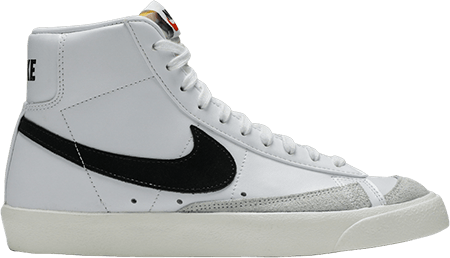
The 1972 Blazer, 1985 Air Jordan 1, and 1985 Dunk are flat-soled basketball shoes that skaters adopted for grip.
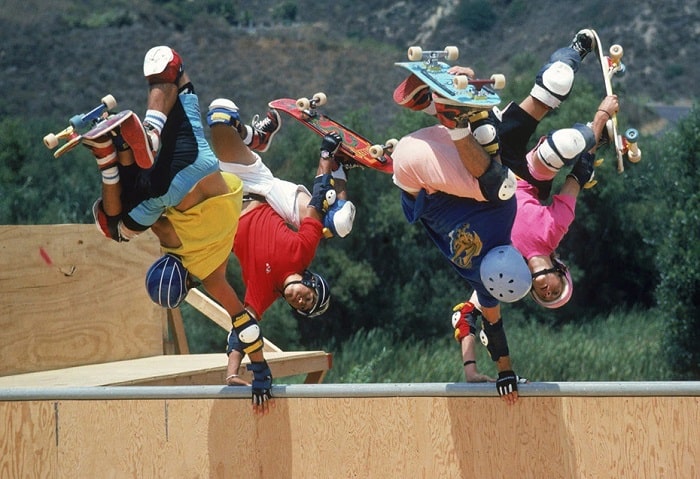
During the 1970s and 1980s, skateboarding remained an underground activity before its 2020 Olympic debut. Major sportswear companies focused on track and basketball in the 1970s, because skate parks were still rare. However, you could hunt for durable court shoes on clearance racks. Released in 1972, the suede Blazer gave your ankles firm padding and a grippy sole.
By 1987, the Air Jordan 1 and collegiate Dunk had become favorites in your local park. The 1987 Bones Brigade video Search for Animal Chin showed riders in Jordans, so your friends wanted pairs too. Leather basketball uppers lasted 40% longer against grip tape than canvas shoes, according to 1980s wear studies.
Why Did the 1996 Skate Line and 2000 Savier Brand Fail?
The 1996 footwear launch and the 2000 Savier label were corporate skate projects that failed to win core shop support.
In 1996, executives attempted their first direct entry into the market with bulky models like the Choad and Snak. Basketball models were already popular on ramps, but skaters resented a giant corporation entering an underground culture. Because those 1996 shoes looked clunky and skipped shop input, your local store boycotted the line.
A second attempt followed in 2000 when the company backed a Portland footwear brand called Savier. Savier signed pros like Brad Staba, Brian Anderson, Stefan Janoski, and Jon Rattray, because the team wanted credibility. However, over 75% of independent shops refused to stock Savier, 2000 trade retail surveys show, so you rarely saw pairs.

How Did Sandy Bodecker Build the Division in 2001 and 2002?
Sandy Bodecker was the executive appointed in 2001 who built the division around core shops and rider input.
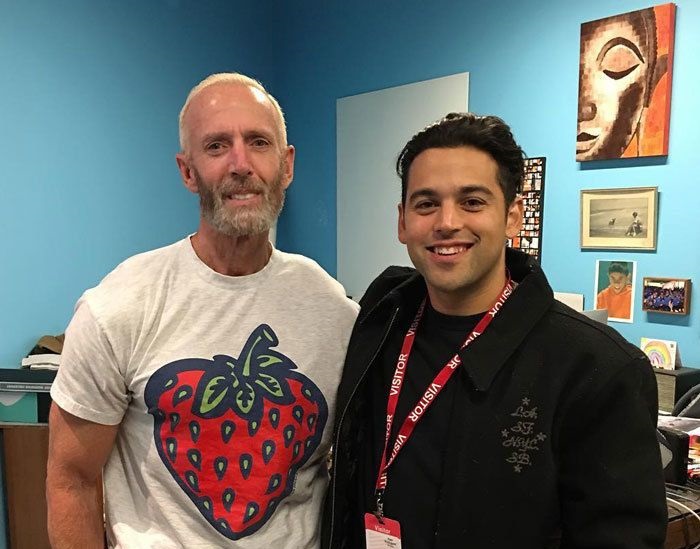
In 2001, leadership placed the late Sandy Bodecker in charge of a fresh skateboarding strategy. Bodecker had started as a shoe tester before leading European soccer, so he knew how to build trust. Instead of forcing shoes into mall chains, he visited core shop owners, because he valued your local scene.
When the division launched in March 2002, Bodecker bypassed space-age molds, and he upgraded your 1985 Dunk Low instead. Engineers added a padded tongue and a heel Zoom Air unit at $65 retail, catalog archives show. Initial 2002 Colors By packs went to shops in 500-pair runs. Those 4 debut colorways honored Danny Supa, Reese Forbes, Gino Iannucci, and Richard Mulder.
How Did 2002 Supreme Dunks and Paul Rodriguez Shift Skate Culture?
The 2002 Supreme Cement collaborations and the 2004 signing of Paul Rodriguez are the milestones that united streetwear and skating.
In September 2002, Bodecker partnered with New York shop Supreme on 2 low-top releases at $65 retail. That drop produced 500 pairs each of the Supreme White Cement and Supreme Black Cement colorways. Those pairs borrowed the 1988 Air Jordan 3 elephant print. However, they still top our Supreme Nike shoes ranking and Supreme SB Dunk guide.
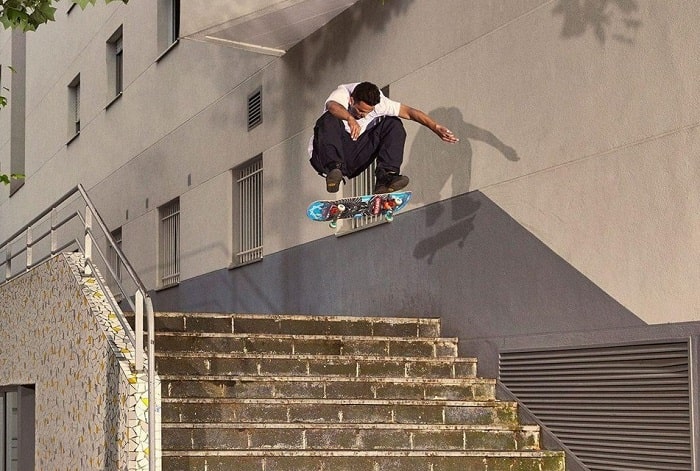
Two years later, in 2004, street star Paul Rodriguez left es footwear, because he joined the Swoosh team. P-Rod was at the peak of his career, so his 2005 signature shoe convinced you to trust your shop’s wall. His signature line ran for 10 models, which proved that core skaters backed the division.
How Do 2002 Orange Box Releases Compare vs 2005 and 2020 Eras?
Comparing 2002 Orange Box releases against 2005 Pink Box and 2020 Striped Box eras is a way to track valuation.
Collector history divides your closet by shoebox color, starting with the 2002 Orange Box and 2003 Silver Box eras. In 2005, the Pink Box era delivered Jeff Staple’s NYC Pigeon Dunk, which retailed at $65 across 150 pairs. By the 2010s, Stefan Janoski’s low-profile shoe led daily park riding, because Dunk hype cooled for several years.
However, a retro renaissance arrived in 2019 and 2020 when Travis Scott and Ben & Jerry’s pairs retailed at $100 to $150, StockX data shows. You can compare key milestones across 6 eras in the table below. Studying these box eras helps you verify vintage pairs, because box labels changed every 2 years.
| Milestone Era vs Model. | Release Year. | Original Retail. | Historical Significance. |
|---|---|---|---|
| Blazer Mid Court Shoe. | 1972. | $22 MSRP. | Vulcanized court shoe adopted by 1970s skaters. |
| Choad and Savier Trials. | 1996 and 2000. | $60 MSRP. | Early skate lines rejected by independent shops. |
| Orange Box Colors By Pack. | 2002. | $65 MSRP. | Sandy Bodecker’s debut 4-rider shop exclusives. |
| Supreme White and Black Cement. | 2002. | $65 MSRP. | 500-pair Jordan 3 elephant print skate collabs. |
| Pink Box NYC Pigeon Dunk. | 2005. | $65 MSRP. | 150-pair Jeff Staple drop that made national news. |
| Olympic and Retro Renaissance. | 2019 and 2020. | $100 to $150. | Mainstream resurgence and 2020 Olympic debut. |
Why Did 2005 Pigeon Dunks and the 2019 to 2020 Surge Matter?
The 2005 NYC Pigeon riot and the 2019 to 2020 resurgence are the events that made skate drops mainstream collectibles.
When Jeff Staple dropped 150 pairs of the NYC Pigeon in February 2005, police managed crowds outside Reed Space. That 2005 coverage introduced campouts to the public. It also put SB Dunks in our must-have classic sneakers guide for your rotation. After a quieter stretch in the 2010s, the 2019 and 2020 surge brought 180% higher resale volume, market reports show.
Archival Verdict on Collecting Classic Skate Releases
If you want Quickstrike drops at $115 to $135 retail, read our guide on how to buy sneakers for retail. However, our verdict is that Bodecker’s model remains the benchmark for your collection. Core stores still get the best colorways, because local raffles reward you.
The 2005 NYC Pigeon release outside Reed Space put independent skate shop collaborations on the front page of mainstream news.
- Zoom Air heel unit.
- The air pocket added to your heel in 2002, because it absorbs stair landings.
- Orange Box era.
- The 2002 period featuring Danny Supa, Reese Forbes, Gino Iannucci, and Supreme Cement colorways.
- Quickstrike (QS).
- A limited release sent to Orange Label and Tier 0 shops for your raffles.
- Savier footwear.
- The 2000 Portland shoe brand that preceded Sandy Bodecker’s 2001 division overhaul.
How does a skate Dunk differ from a standard 1985 basketball Dunk?
The skate version adds a padded mesh tongue, elastic straps to center your tongue, and a Zoom Air heel unit. However, standard basketball lows use a thin nylon tongue and basic foam.
Who were the four skaters in the original March 2002 Colors By pack?
The inaugural March 2002 Colors By pack featured colorways designed by riders Danny Supa, Reese Forbes, Gino Iannucci, and Richard Mulder. Because Bodecker valued local stores, each colorway released solely through independent skate shops.