Nike vs Adidas: Market Share, History, Collabs, and Cushioning Rivalry

The Nike vs Adidas rivalry defines the global athletic footwear industry, and collectors are far from over the competition. Founded in 1964 and 1949 after the 1924 Dassler factory split, both companies compete across revenue and midsole engineering. Historical 2021 brand valuations placed the Swoosh at $30.44B compared to $14.3B for the Three Stripes.
- Founding Origins: Adolf Dassler registered the Three Stripes in 1949 (after the 1924 Dassler Brothers factory split), while Bill Bowerman and Phil Knight launched Blue Ribbon Sports in 1964.
- Brand Valuations: Historical 2021 Statista data valued the Beaverton brand at $30.44B (down $4B from 2020) and the Herzogenaurach brand at $14.3B (down $2B from 2020).
- Signature Empires: Signed Michael Jordan in 1984 to launch the Jumpman line, whereas the Three Stripes signed Kanye West in 2013 to scale the Yeezy line.
- Cushioning Flagships: Matches Air, Zoom Air, React, and ZoomX foam against Boost TPU capsules, 4D lattice printing, Bounce, and Cloudfoam.
How Did the 1924 Dassler Feud and 1964 Blue Ribbon Sports Start the Rivalry?
The modern sportswear battle began with two distinct founding stories in Germany and Oregon. Brothers Adolf and Rudolf Dassler founded the “Dassler Brothers Shoe Factory” in 1924. After a bitter World War II family feud, the brothers split permanently in 1949. Adolf (“Adi”) Dassler established his namesake Three Stripes brand in 1949. His brother Rudolf walked across the river to found Ruda, later renamed Puma.
Fifteen years after the 1949 German split, coach Bill Bowerman and runner Phil Knight launched Blue Ribbon Sports in 1964. They initially distributed Japanese Onitsuka Tiger running shoes out of a car trunk across Pacific Northwest track meets. The partners rebranded the company in 1971 after the Greek winged goddess of victory. Readers exploring sneaker logos stories know Carolyn Davidson designed the famous Swoosh that year for a $35 fee.
How Do Regional Market Shares and $30.44B Versus $14.3B Valuations Compare?
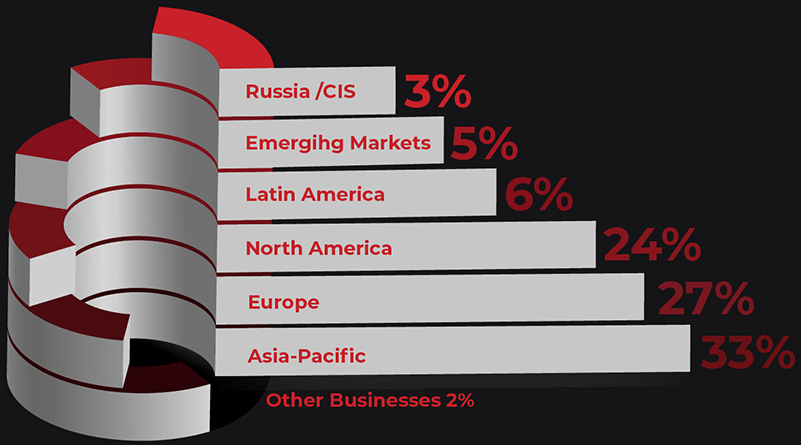
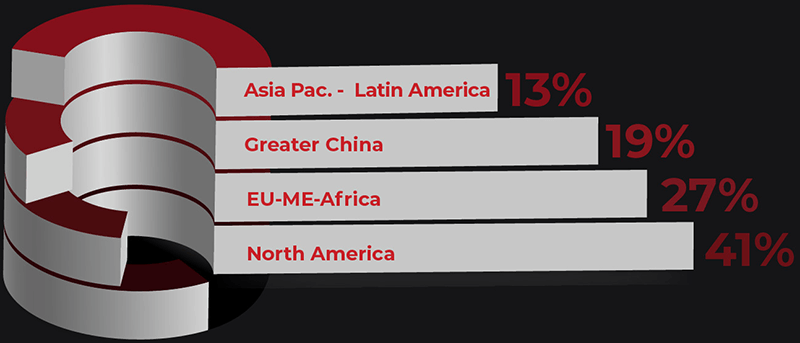
Both companies produce classic sneakers worn worldwide, yet their regional revenue footprints differ sharply. The American footwear leader generates its largest single share of annual revenue from North America. Europe (EMEA) ranks second for the Beaverton corporation across annual financial filings. By contrast, the German competitor historically draws its largest revenue share from the Asia-Pacific region. Europe also ranks as the second-largest territory for the Herzogenaurach brand.
Brand valuation figures highlight the financial gap between the first-place and second-place global players. According to Statista Nike brand valuation data, the Swoosh held a $30.44B valuation in 2021, down $4B from 2020. Meanwhile, Statista Adidas brand valuation data placed the German brand at $14.3B in 2021, down $2B from 2020. The American leader maintained more than double the brand equity of its closest European rival.
| Comparison Metric | American Brand (Beaverton) | German Brand (Herzogenaurach) | Historical Gap & Context |
|---|---|---|---|
| Founding Timeline | 1964 (Blue Ribbon Sports) | 1924 Factory / 1949 Split | German brand founded 15 years earlier |
| 2021 Brand Valuation | $30.44B (down $4B vs 2020) | $14.3B (down $2B vs 2020) | $16.14B valuation lead for the Swoosh |
| Top Revenue Region | North America (#1), Europe (#2) | Asia-Pacific (#1), Europe (#2) | Europe ranks #2 for both corporations |
| Flagship Partnership | 1984 Michael Jordan ($500K/yr) | 2013 Kanye West Yeezy Deal | Defined basketball vs lifestyle hype |
How Did 1984 Air Jordan and 2013 Yeezy Deals Shape the Collaboration Battle?
Cultural dominance in the sneaker market swings on signature athlete and artist endorsements. The most consequential pivot in footwear history occurred in 1984 when rookie guard Michael Jordan favored the Three Stripes. German executives prioritized taller seven-foot centers at the time and passed on offering Jordan a signature shoe. Beaverton marketers stepped in with a five-year, $2.5 million contract in 1984, birthing the Air Jordan division.
Nearly three decades later, the German brand scored its own historic defection in 2013. Frustrated by a lack of royalties on the Air Yeezy series, Kanye West left Beaverton in 2013. That partnership produced the best Yeezys colorways under the Three Stripes banner throughout the mid-2010s. Modern streetwear heat also pits Travis Scott collaborations directly against the Adidas Pharrell partnership on NMD and Samba silhouettes.
How Do Air, ZoomX, and React Compare to Boost, 4D, and Cloudfoam Cushioning?
Midsole engineering drives the performance side of the two-brand footwear rivalry. In the mid-2010s, the German brand revolutionized lifestyle comfort with Boost cushioning. Boost fuses thousands of expanded thermoplastic polyurethane (eTPU) capsules into a high-rebound midsole core. Alongside Boost, German engineers deployed 4D lattice printing, responsive Bounce foam, and plush Cloudfoam. Our Nike Joyride vs Adidas Boost comparison breaks down those bead-and-capsule cushioning systems in detail.
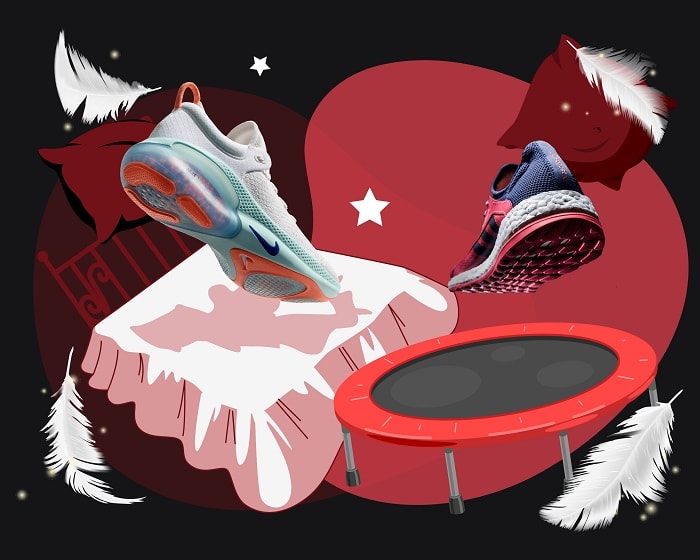
While Boost eTPU pellets dominated 2015-2018 lifestyle comfort, Pebax-based ZoomX foam and carbon plates reshaped elite marathon racing ahead of the 2020 Tokyo Olympics.
American R&D countered by pairing pressurized Air and tensile Zoom Air bags with React and ZoomX Pebax foam. According to Dezeen’s report on the 2020 Olympics Vaporfly regulations, ZoomX marathon prototypes prompted strict new rules. World Athletics capped road-racing sole thickness at 40mm and banned multi-plate prototypes ahead of the 2020 Games.
When Did the Two Competitors Unite and How Do Tariffs Impact Both Brands?
Both corporations occasionally face shared social and macroeconomic turning points despite decades of fierce competition. On May 30, 2020, the Swoosh released a “Don’t Do It” video campaign addressing US racism. In a rare display of unity on May 30, 2020, the official @adidas account retweeted its rival’s video. The accompanying caption stated: “Together is how we move forward. Together is how we make change.”
Both companies also navigate identical trade rules when shipping footwear from Vietnam, Indonesia, and China into North America. According to Shoemakers Academy US HTS footwear tariff data, standard athletic shoes face up to a 20% customs duty. Those Harmonized Tariff Schedule Chapter 64 duties directly influence retail pricing across both catalogs.
| Technical or Market Pillar | Swoosh Flagship System | Three Stripes Flagship System | Retail, Tariff, or Fee Figure |
|---|---|---|---|
| Marathon & Racing Foam | ZoomX Pebax + Carbon Plate | Lightstrike Pro + EnergyRods | 40mm World Athletics stack limit (2020) |
| Everyday Lifestyle Cushion | Air / Zoom Air & React Foam | Boost eTPU, 4D, Bounce & Cloudfoam | $130 to $220 typical flagship retail |
| US Import Tariff (HTS 64) | Vietnam / Indonesia / China | Vietnam / Indonesia / China | Up to 20% US customs duty on athletic shoes |
| Primary Launch App | SNKRS App (LEO & 10-min DAN) | CONFIRMED App (Queue & Draw) | StockX Level 1: 9% fee + 3% processing |
How Do Resale Fees and Multi-Site Checkout Tools Apply to Both Brands?
Limited releases from both brands face identical marketplace deductions on the secondary market. A $150 Travis Scott Jordan 1 Low and a $180 Wales Bonner Samba follow the same fee schedule. According to StockX seller fee documentation, Level 1 sellers pay a 9% base transaction fee on every sale. StockX also deducts a 3% payment processing fee from the gross payout.
Collectors routinely chase drops across both SNKRS and the CONFIRMED app alongside Shopify boutiques. Multi-brand checkout software helps buyers manage those overlapping release calendars from one interface. Established platforms such as Valor AIO, Cybersole, Stellar AIO, and NikeShoeBot support task groups across major footwear sites. Pairing residential proxies with verified billing profiles keeps checkout tasks organized on drop day.
Why did Michael Jordan sign with Beaverton instead of Germany in 1984?
In 1984, German executives favored seven-foot centers and declined to offer rookie guard Michael Jordan a signature shoe, whereas Sonny Vaccaro and Rob Strasser offered a $500,000-per-year five-year deal with his own signature line.
Why were ZoomX marathon shoes nearly banned before the 2020 Tokyo Olympics?
After runners wearing ZoomX foam and carbon fiber plates broke almost every distance world record in 2019, World Athletics introduced strict January 2020 rules capping sole thickness at 40mm and limiting plates to one.
Tagged