NFT Bots Explained: Minting, Rarity Snipers & Sneaker Checkout Guide

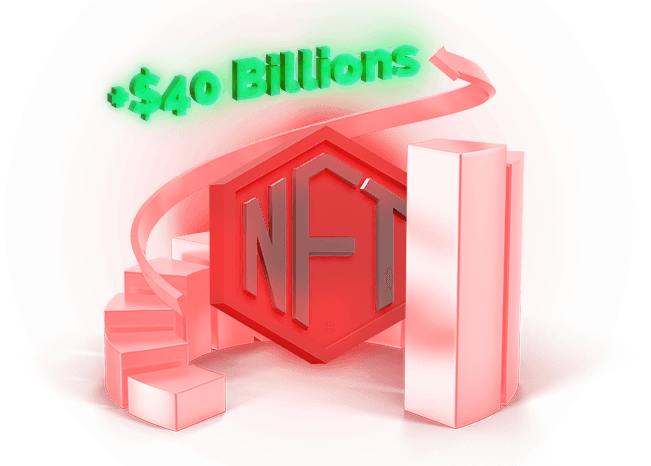
NFT bots are specialized software programs that automate blockchain minting, secondary rarity sniping, and marketplace bidding across digital collectible platforms. Whether you collect Web3 art or physical sneakers, there is something for everyone here who wants to understand automated scripts. As annual digital collectible volume reached a $40 billion market scale per industry data, automated tools reshaped how drops sell out.
- $40 Billion Market Scale: Global digital collectible trading volume reached $40 billion per market data, driving demand for automated minting and monitoring tools.
- Four Core Script Types: Automation spans Minting/Scalper scripts (contract calls), Sniper tools (underpriced traits), Spinner scripts (cart holds), and Spoofing algorithms.
- API Rate Limits: Retail e-commerce stores enforce leaky-bucket limits (40 requests refilling at 2 per second on Shopify), while blockchain nodes price priority by gas.
- Physical Sneaker Crossover: Many collectors pair Web3 monitors with retail checkout software for physical footwear releases.
Why Did a $40 Billion Collectible Market Fuel Demand for NFT Bots?
Demand for NFT bots surged as blockchain collectibles grew into a $40 billion market according to industry data. Creators learning how to create an NFT typically launch fixed-supply collections of 3,333 to 10,000 digital editions. When 50,000 wallets compete for 5,000 editions at once, manual browser clicks rarely clear the mempool in time. High traffic frequently freezes standard web minting portals.
Collectors who study the types of bots in e-commerce recognized the same bottleneck on Ethereum and Solana. Automated scripts bypass congested web frontends and submit signed transactions straight to dedicated RPC nodes. That direct node connection shaves seconds off every mint request. Private mempool relays also shield pending transactions from public front-running. Dedicated hardware servers keep latency below 50 milliseconds during peak launches.
How Do Minting and Scalper Scripts Execute Smart Contract Drops?
Minting automation interacts directly with a collection’s verified smart contract the millisecond public sale opens. Instead of waiting for a website button to render, the software monitors the blockchain state. It watches for the exact block or timestamp that switches `saleIsActive` to true. Multi-wallet task groups then broadcast signed mint calls simultaneously across multiple nodes.

To win block inclusion during a competitive 10,000-edition drop, scripts dynamically calculate priority gas fees. Operators set a maximum gas ceiling before the launch starts. That cap ensures a sudden network spike does not burn $150 to $500 in failed transaction fees per drop. Parallels to physical footwear appear throughout our guide to sneaker reselling. Pre-funding sub-wallets prevents last-minute balance errors when the contract opens.
How Do Rarity Snipers Spot Underpriced Listings in Seconds?
Once a 10,000-item collection finishes minting and reveals its metadata, rarity sniper tools take over on secondary marketplaces. Every edition in a generative set carries specific trait percentages, such as a 0.5% gold crown or 1% laser-eye attribute per collection data. Manual browsers often miss newly listed rare editions priced near the collection floor. Milliseconds separate a completed purchase from a failed transaction.
Sniper software indexes the JSON metadata file directly from IPFS or Arweave before marketplace interfaces refresh. When a seller lists a top-5% rarity item at the base floor price, the sniper triggers an instant purchase call.

Fast RPC endpoints allow rarity snipers to settle purchases within a single 12-second Ethereum block. Custom trait filters let collectors target specific attributes automatically.
What Are Spinner Scripts and Order-Book Spoofing Algorithms?
Not every automated program in the collectible ecosystem performs legitimate minting or trait discovery. Two manipulative categories require caution from everyday buyers: inventory spinner scripts and order-book spoofing algorithms. Per Netacea’s technical report on spinner bots, spinner tools repeatedly add limited-edition items to online shopping carts without completing payment. Legitimate customers see an out-of-stock screen during the hold.

By refreshing the 10-minute cart reservation timer in a loop, spinner scripts create artificial scarcity while the operator lines up a secondary buyer. Meanwhile, spoofing algorithms place and cancel large bids to fake floor demand. That deceptive tactic is detailed in Binance Academy’s market spoofing guide.
The table below compares all four automation categories by execution layer, target phase, and buyer impact.
| Automation Category | Primary Target Phase | Execution Mechanism | Marketplace / Buyer Impact |
|---|---|---|---|
| Contract Minting Script | Primary public or allowlist mint | Direct RPC smart-contract call | Competes via priority Gwei gas fees |
| Rarity Sniper Tool | Post-reveal secondary listings | IPFS metadata & API stream scan | Buys underpriced top-1% trait items |
| Inventory Spinner Script | Cart-reservation web stores | Continuous 10-minute cart hold | Locks stock without paying upfront |
| Order-Book Spoofer | Collection bidding pools | Rapid bid placement & cancellation | Fakes floor support to lure buyers |
How Do Web3 Minting Scripts Compare to Retail Sneaker Checkout Tools?
Blockchain minters compete through gas auctions on decentralized nodes, whereas retail sneaker checkout software operates across centralized HTTP storefronts. On e-commerce platforms governed by Shopify’s API rate-limit architecture, standard REST endpoints enforce a 40-request leaky bucket. That bucket refills at 2 requests per second. Exceeding that ceiling triggers an HTTP 429 block unless tasks rotate across residential proxy pools.
Blockchain minting scripts pay priority Gwei fees to win block ordering on-chain, whereas retail sneaker bots rotate residential proxies to stay inside e-commerce rate limits and queue systems.
US online retailers selling physical footwear must also follow the FTC Mail, Internet, or Telephone Order Merchandise Rule. Merchants must ship orders within the stated timeframe (or within 30 days) or offer a full refund. The table below contrasts Web3 minting tools against retail sneaker checkout software.
| Technical Dimension | Web3 Smart-Contract Minter | Web3 Rarity Sniper | Retail Sneaker Checkout Bot |
|---|---|---|---|
| Network Layer | Ethereum / Solana RPC nodes | Marketplace API + IPFS gateway | HTTP/2 & TLS browser emulation |
| Rate-Limit Rule | Block gas limit & Gwei priority | Node requests per second tier | 40-request bucket (2 req/sec refill) |
| Payment Method | Pre-funded ETH or SOL hot wallet | Wrapped ETH (WETH) or native coin | Virtual credit cards & billing profiles |
| Consumer Protection | Immutable on-chain finality | Smart-contract atomic swap | 30-day FTC shipping & refund rule |
How Can Collectors Choose Reliable Automation for Retail Drops?
Many collectors who explored digital minting tools prefer the tangible value and consumer protections of physical footwear releases. Comparing the best sneaker bots helps buyers evaluate multi-site support. Studying our sneaker bot cooking guide also prepares collectors for drops across Nike SNKRS, Shopify boutiques, and Footsites.
- Leading Retail Checkout Platforms: Experienced sneaker collectors evaluate established multi-site tools including Valor AIO, Cybersole, Stellar AIO, and NikeShoeBot when preparing for limited footwear launches.
- Proxy & Profile Hygiene: Pair each checkout task with a clean residential or ISP proxy and a unique billing profile to avoid duplicate-order cancellations.
- Monitor Setup: Use Discord keyword monitors and early SKU links so tasks start polling product pages before the drop queue opens.
Testing your proxy speeds and billing profiles 24 hours before a scheduled release prevents last-minute checkout errors.
What is the difference between a minting script and a rarity sniper?
A minting script interacts directly with a project’s smart contract during the initial launch, whereas a rarity sniper monitors secondary marketplaces after reveal to buy underpriced rare editions.
Why do spinner and spoofing scripts harm everyday marketplace buyers?
Spinner scripts lock limited inventory inside unpaid shopping carts to create artificial scarcity, while spoofing algorithms place and cancel fake bids to distort true floor demand.