Knowing how to clean leather shoes comes down to four moves: brush off the dirt, wipe with a mild soap mix, air dry, then condition. Whether you’re into Jordans, Dunks, Adidas classics or dress shoes, that routine keeps your pair looking fresh and fancy. The clean is an evening job, because Nike’s shoe-cleaning guide says many shoes need at least 8 hours to dry.
- The short version: dry brush, wipe, air dry, condition, then protect if you want to.
- Drying time: at least 8 hours for many shoes, according to Nike’s shoe-cleaning guide.
- Home mix: Nike’s white-shoe guide uses 1 tablespoon of baking soda, 2 of white vinegar and 1 cup of water.
- Conditioner: Leather Honey says one treatment protects for 6 months or more.
- Heat: none, because Nike says dryer heat can deform a pair.
What do you need to clean leather shoes?
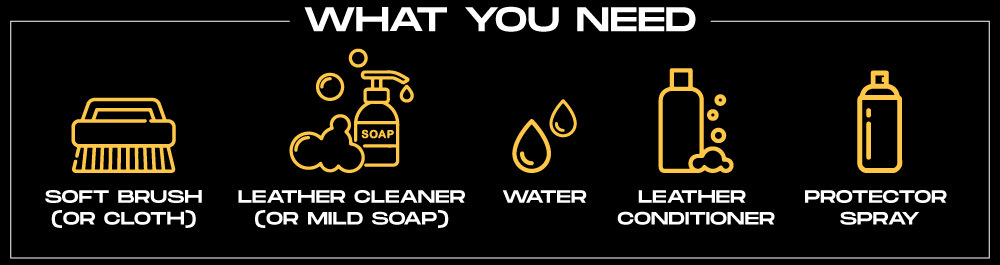
The kit is short: a soft brush or cloth, a mild soap or cleaner, a bowl of warm water and a conditioner.
Cleaning leather is a simple job, because nothing on the list is specialist kit. Here is what you need:
- Soft brush or cloth: for loose dirt, before anything wet touches your shoes.
- Mild soap or cleaner: Nike’s guide says a little dish soap or mild detergent in warm water works.
- Two clean cloths: one for the soap mix and one for the rinse.
- Conditioner: to put back the oils the material loses over time.
- Optional extras: polish, a protector spray, and a shoe tree or newspaper.
Nike’s home mix is mostly water. A cup is 16 tablespoons, so according to Nike’s recipe the vinegar is about 11% of the liquid (2 of 18 tablespoons).
However, if you’d rather buy than mix, the table shows what a few sneaker-care staples cost. We checked each price on the brand’s own product page on 9 October 2026. Market prices move and are shown for reference, not as a promise.
| Item | Example | Size | Listed price (9 Oct 2026) | Source |
|---|---|---|---|---|
| Cleaner | Jason Markk Deep Cleaning Solution | 6 oz | $15.00 | Jason Markk product page |
| Cleaner and brush | Jason Markk Essential Kit | 4 oz plus a brush | $18.00 | Jason Markk product page |
| Conditioner | Leather Honey conditioner | 8 oz | $27.99 | Leather Honey product page |
| Conditioner | Jason Markk Premium Leather Balm | Not stated | $18.00 | Jason Markk product page |
| Protector spray | Crep Protect Spray | Not stated | $18.00 | Crep Protect product page |
| Home mix | Dish soap in warm water | A small amount | What you already own | Nike shoe-cleaning guide |
How to clean leather shoes, step by step
The clean itself is nine short steps, but most of your time goes on waiting for the pair to dry.
- Take the laces out and hand wash them in the same mild mix.
- Stuff the shoes with a shoe tree or newspaper so they hold their shape.
- Brush off loose dirt with the soft brush or a dry cloth.
- Mix soap and warm water, dip a cloth and squeeze out the excess.
- Wipe the uppers gently, giving stains extra attention without scrubbing hard.
- Rinse the cloth and wipe off any soap residue.
- Air dry the pair at room temperature, away from heaters and dryers.
- Once it is fully dry, rub in a little conditioner with a soft cloth, in circles.
- Add polish or protector if you want extra shine, then re-lace.
Step five stays gentle because Nike warns that scrubbing too hard could damage the material. The rubber is a different job, however, and our guide to cleaning sneaker soles covers midsoles and outsoles.
Can you use a Magic Eraser on your sneakers?
Nike’s white-shoe guide suggests it for stains: dip it in water, then scrub the mark on the upper or the sole. Work gently and test a hidden patch first, because you are rubbing the finish.
Should you spot test a leather cleaner first?
Yes. A spot test is a quick check on a hidden patch that shows whether a product marks your finish.
Before you clean the whole pair, make sure the cleaner won’t ruin it. Dab a little on a tiny area, like the inside of the heel collar, and let it dry. Once you’re happy it is safe, you can start the full clean. When you apply it, we recommend rubbing softly in circular motions.
Conditioners deserve the same test, because some change the colour. Jason Markk says its Premium Leather Balm “may darken the leather”. Similarly, Leather Honey’s instructions tell you to spot test its conditioner in a discreet area and let it dry before going further.
Light colourways show marks first, because there is nothing to hide them. If your pair is white, our guide on how to clean white sneakers covers the extra care those need.
Why does leather need a conditioner?
Conditioner is what restores the oils that keep the hide supple, because it dries out and loses them over time.
Without those oils, your pair loses its shine and starts to look tired. That’s where the conditioner comes in.
All you have to do is apply a small amount and rub it in with circular motions, just like the cleaner. Cover the whole shoe, edges included, and leave it a few minutes to soak in. Finally, wipe away the excess.
How often is a judgement call. Leather Honey says one treatment of its conditioner keeps a pair protected for six months or more. Its instructions also allow at least two hours of drying, preferably overnight. That is a maker’s claim, not a lab result, but it points to a coat about twice a year for the pairs you wear most.
How long do leather shoes take to dry?
Drying is the slow part: Nike’s shoe-cleaning guide says many shoes need at least 8 hours to dry fully.
That is why the washer and the dryer are off the table for your kicks. Nike puts it plainly in its cleaning guide:
Nike does not recommend washing shoes in the washing machine. Properly hand washing shoes is the best way to ensure they won’t be accidentally harmed in the process.
In addition, the same guide says dryer heat can deform a pair. We keep direct heat away too, because it can make the upper crack or shrink, so we never rush it.
Air dry at room temperature with a shoe tree or newspaper inside. That takes a while, but a clean started in the evening is usually ready by morning. If the toe box picked up creases along the way, our guide on how to uncrease shoes walks through the fix.
| Step | Wait before the next step | Source |
|---|---|---|
| Cleaning | At least 8 hours for many shoes | Nike shoe-cleaning guide |
| Conditioner | At least 2 hours, preferably overnight | Leather Honey product page |
| Protector spray | 10 minutes per coat, 2 coats | Crep Protect product page |
Smooth leather vs suede and nubuck
Smooth leather is the easy one: it takes a damp clean and a conditioner, whereas suede and nubuck skip the conditioner.
However, one cleaner can cover both. Jason Markk says its Deep Cleaning Solution is safe on most colours and materials, including leather, suede and nubuck.
According to that product page, the 6 oz bottle carries a “USDA Certified Biobased Product 100%” label and cleans up to 150 pairs. At $15.00, that works out to at least 10 cents a pair ($15.00 ÷ 150), although the pair count is the brand’s own figure.
The split comes at the conditioning step, because both makers in our table rule their conditioners out for suede.
- Smooth leather
- Mild soap mix, soft cloth, air dry, then conditioner: the routine above.
- Suede and nubuck
- A brush and a suede-safe cleaner, no balm. Jason Markk says its Premium Leather Balm is not suitable for suede or nubuck.
- Faux leather and vinyl
- The mild soap mix for dirt, no conditioner. Leather Honey says its conditioner is not for use on suede, faux leather or vinyl.
So a mixed pair, like a smooth upper with suede overlays, needs a little care around the edges. Keep conditioner on the smooth panels only, and treat the suede parts with a brush. As a result, the smooth panels stay supple and the suede keeps its texture. Our full method for the napped stuff is in the guide on how to clean suede shoes.
Should you polish and waterproof leather kicks?
Polish and protector spray are optional: polish brings the shine back, and a spray adds a layer against water and stains.
If you have monochrome pairs, you can apply polish of the same colour. The polish gives your kicks their shine back and adds an extra layer of protection.
But if you want to go the extra mile to protect your kicks, a protector spray is the next step. Crep Protect says its spray forms an invisible, hydrophobic layer for up to 4 weeks. The same page’s FAQ adds that leather is already waterproof, so on leather the effect is minimal. Its instructions call for two coats, with 10 minutes of drying after each, so the job takes about 20 minutes (2 × 10).
That said, Crep Protect’s 4 weeks is a much shorter window than the 6 months Leather Honey claims for its conditioner. The difference makes sense, because the two do different jobs: the spray repels, and the conditioner feeds the upper. As a result, you’ll reapply the spray far more often.
Our take: what we would do with a scuffed pair
Our verdict is simple: a gentle clean whenever the pair looks dull, conditioner about twice a year, and no heat ever.
A quick wipe after a muddy day is better than a hard scrub once a month, because every hard scrub wears the finish a little. Keep the laces out of it and the shoe tree in. Finally, let your pair sit overnight before you wear it again.
We compared Nike’s care steps with the instructions on the Jason Markk, Leather Honey and Crep Protect product pages on 9 October 2026, and the figures above come from those pages. Where a maker makes a claim, like Leather Honey’s six months of protection, we’ve said whose claim it is.
However, cleaning is only half of keeping a pair fresh. How you store it between wears matters too, and our guide to sneaker storage covers that side. But if you’re short on kicks to look after, our blog keeps track of new releases.