Supreme Isn’t Dead – Why the Brand Is Still Profitable!

Every few years, the same claim pops up in streetwear circles: “Supreme is dead.” Yet despite the noise, Supreme continues to sell out key releases, command resale value, and influence street culture worldwide. In 2025, Supreme may look different from how it did in 2017, but different doesn’t mean irrelevant. For resellers, collectors, and anyone running NikeShoeBot, Supreme remains a brand worth paying attention to. Here’s why Supreme is not only alive, but still a viable investment for you!
Supreme is a New York-based streetwear brand founded in 1994. Originally rooted in skate culture, the brand built its reputation on: Supreme pioneered the modern drop model long before it became mainstream. And obviously, that structure still works today. You can check out the full Supreme history right here! The idea that Supreme fell off usually comes from surface-level changes, not actual data. Basically, word of mouth is saying that Supreme is dead for a few reasons. First, not everything is selling out as fast as it used to. Second, not all items are hype, which means fewer people are going after them. And finally, the brand has shifted its focus from hype to a more sustainable pattern. You see, after EssilorLuxottica acquired Supreme, the brand started expanding its retail presence worldwide. However, what many miss is that Supreme intentionally did this shift! While not every drop flips anymore, Supreme’s core pieces remain strong performers. Items that consistently resell well include: So, if you wanna make money by flipping Supreme items, you gotta be a bit more picky. Being selective might make you buy fewer items, but the ROI will make up for it! Supreme remains one of the most recognizable streetwear brands globally. I mean, who doesn’t know that iconic (and lowkey controversial) red box logo? Despite broader availability, Supreme still limits quantities on high-value items. So if you want that Bogo hoodie, you’ll still need to put up a fight. Platforms like StockX, Grailed, and eBay continue to move Supreme products daily. Of course, you should master the art of reselling Supreme if you wanna make that sweet profit. Supreme’s collab list still sets the tone for streetwear. And with big players co-signing drops, you know the brand isn’t going anywhere. We’re gonna name-drop here, so get ready for some of the collaborators! So, we’ve got Nike, The North Face, Louis Vuitton, Damien Hirst, CDG, KAWS, and many more. Vintage Supreme pieces continue to appreciate, especially Box Logos from past decades. If you go to any resale platform and look up “vintage” Supreme bogos, you’ll find some mind-boggling prices! Let’s put it plainly, the sneaker industry and streetwear have always worked hand-in-hand! And when sneakers dominate headlines, Supreme and other brands always offer unique advantages simultaneously. For example, compared to sneakers, Supreme drops have: Supreme today focuses on: This evolution helps Supreme avoid burnout, something many brands fail to do. And don’t forget that there will always be hype drops included for the hype-seekers! If you’re serious about reselling Supreme, here’s the playbook: Tools like NikeShoeBot help resellers secure Supreme items faster and more consistently, especially during high-traffic drops. Of course, we’re not gonna tell you about the success that our users are experiencing, you can see for yourself! And well, you can experience it too if you get your NikeShoeBot key today and get to cooking. Godspeed!What Is Supreme?
Why People Think Supreme Is “Dead”
Supreme Still Sells Out the Right Items
Why Supreme Is Still a Smart Resale Investment
1. Brand Recognition Is Untouchable
2. Supply Is Still Controlled
3. Strong Secondary Market
4. Collaboration Strategy Remains Elite
5. Long-Term Collectibility
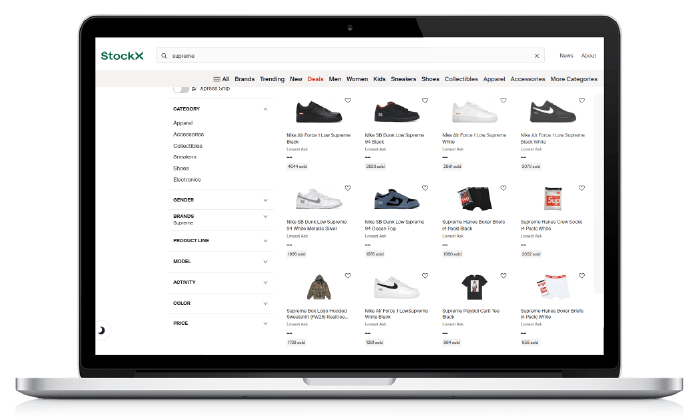
Supreme vs Sneakers: A Reseller Perspective
What Supreme Looks Like in 2025
How Resellers Can Still Cop & Profit!