Choosing the right proxy type is one of the most important decisions you’ll make when sneaker botting, scraping retail sites, or managing accounts. The wrong proxy setup can lead to instant bans, failed checkouts, or wasted money. That’s even if you’re using a top-tier sneaker bot. This guide breaks down all major proxy types, explains how they work in real-world scenarios, and shows which proxies are best for sneaker botting, Nike SNKRS, Shopify, scraping, and automation. It’s your go-to easy-to-understand guide if you’re a botting novice! So, let’s dive in and learn all about proxies, shall we?
What Is a Proxy?
A proxy acts as a middleman between your device and a website. Instead of connecting directly, your traffic is routed through another IP address, helping you:
- Hide your real IP
- Avoid bans and rate limits (1 item per customer limits)
- Access geo-restricted content (regional drops)
- Run multiple tasks safely
Proxies are essential for sneaker bots like NSB, especially on high-security sites.
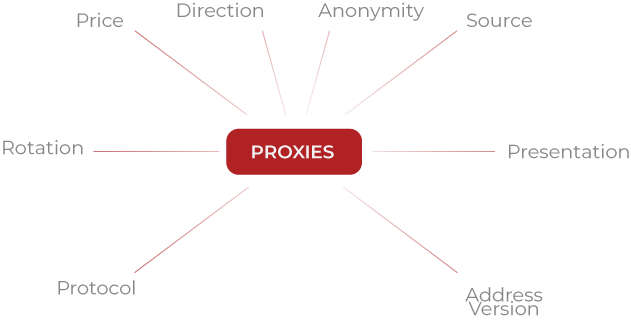
Proxy Types by Price
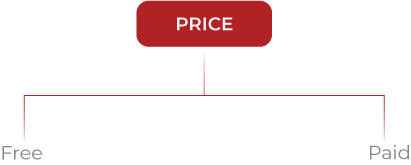
Free Proxies
Free proxies may look appealing, but they come with serious risks:
- Extremely slow and overcrowded
- High ban rates on sneaker sites
- Often log user data
- Can inject ads or malware
These are never recommended for sneaker botting or account use. After all, if it feels too good to be true, it probably is.
Paid Proxies
Paid proxies are provided by professional proxy providers and offer:
- Faster speeds
- Better uptime
- Lower detection rates
- Clear privacy policies
If you’re serious about collectibles and sneaker botting, paid proxies are a must-have.
Proxy Types by Direction
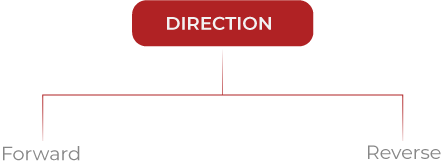
Forward Proxies
Forward proxies route your outgoing traffic through another IP. It basically masks your IP address and puts you where you want to be. Common use cases:
- Sneaker botting
- Web scraping
- Location spoofing
- Anonymous browsing
If you’re running NSB (or any sneaker bot, really) to score kicks, this is the type of proxies you’ll wanna go with.
Reverse Proxies
Reverse proxies protect websites, not users. So basically, this is the type you won’t use for botting. Retailers use them for:
- Load balancing
- DDoS protection
- Security filtering
Proxy Types by Anonymity Level
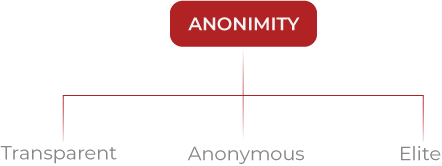
Transparent Proxies
These babies are, well, useless for lack of a better word if you’re a botter. They:
- Reveal your real IP
- Announce proxy usage
Anonymous (Semi-Transparent) Proxies
Now these provide more security, but are still pretty easy to detect by any sneaker and retailer site worth its code.
- Hide your IP
- Still reveal proxy usage
Elite Proxies
That’s the mine you should be digging in if you wanna automate your shopping experience. These proxies:
- Hide your IP
- Hide the fact that you’re using a proxy
Proxy Types by Source
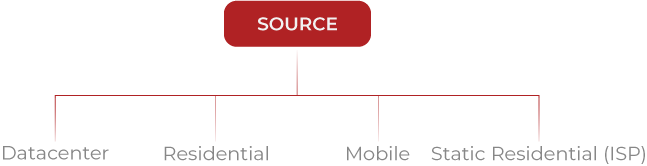
This is the most important section if you wanna start your sneaker botting (and then resale) journey. Your choice here, paired with the sneaker bot you’ll run, can dictate whether you take that W or not on drop day.
Datacenter Proxies
Datacenter proxies come from servers rather than real devices.
Pros:
- Very fast
- Affordable
- Widely available
Cons:
- Easier to detect
- Higher ban rates on protected sites
Best for:
- Testing tasks
- Low-risk automation
Residential Proxies
Residential proxies use IPs assigned to real users and devices.
Pros:
- Appear as real shoppers
- Extremely hard to block
- Work well on Nike SNKRS
Cons:
- More expensive option
- Slower
Best for:
- Nike SNKRS
- Shopify
- Protected retail sites
Mobile Proxies
Mobile proxies use 4G/5G cellular networks.
Why they’re powerful
- IPs shared by hundreds of users
- Rotate naturally
- Hardest proxies to ban
Best for:
- SNKRS
- Account farming
- Social media automation
Static Residential Proxies (ISPs)
Static residential proxies combine features of datacenter and residential IPs. For the sneaker botting industry, they’re called ISPs to be easily distinguishable from other types. These are the best of both proxy worlds. But while they’re fast and stable, they can sometimes get flagged as DCs. The detection accuracy depends on the site’s security though.
Proxy Types by Rotation
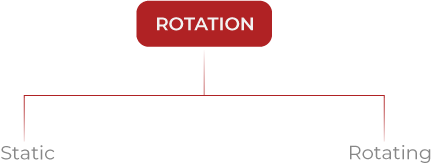
Static Proxies
- Same IP for long periods
- Useful for account logins
- Easier to ban during scraping
Rotating Proxies
- IP changes per request or every few minutes
- Very low ban rates
Now, here’s the tricky part. In the sneaker industry, there is a certain understanding of the rotation of different proxy types. You see, residential proxies can be either rotating or static. But even the static ones could be classified into two different types. Rotating resis rotate every request, while static ones rotate at a certain time that the user can set (every 20, 30, or 60 minutes). Finally, ISPs are the real static proxies and don’t rotate at all.
Proxy Types by Protocol
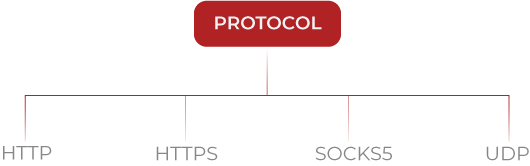
HTTP Proxies
- Common and fast
- Not encrypted
Used frequently in sneaker botting, but not ideal for sensitive data.
HTTPS (SSL) Proxies
- Encrypted traffic
- More secure than HTTP
Recommended for checkout-related tasks.
SOCKS5 Proxies
- Works with all traffic types
- Supports UDP
- Highly flexible
Popular for automation, gaming, and advanced bot setups.
UDP Proxies
- Required for certain game automation tools
- Will grow in importance with HTTP/3
Proxy Types by IP Version
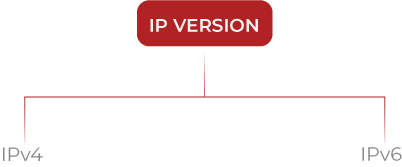
IPv4 Proxies
- Fully supported everywhere
- Limited supply (about 4.3 billion proxies exist)
- Higher trust score
It’s the favorite choice by users for sneaker botting, and anything really.
IPv6 Proxies
- Massive availability
- Limited website support
- Often banned in bulk
Proxy Types by Presentation
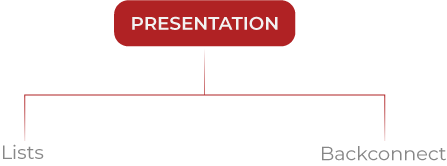
Proxy Lists
- Manual IP lists
- User manages rotation
Backconnect Proxies
- Single gateway IP
- Automatic rotation handled by the provider
Now That You Know Your Proxy Types
There is no universal “best proxy.” The best proxy depends on:
- The website you’re targeting
- Your bot setup
- Scale and budget
Now, to recap, here are a couple of tables to make your life easier!
Technical POV:
| Proxy Type | Source | Rotation | Speed | Ban Resistance | Best Use Case |
|---|---|---|---|---|---|
| Datacenter Proxies | Server-based | Static | Very Fast | Low | Testing, low-risk botting |
| Residential Proxies | Real Devices | Rotating | Medium | High | Nike SNKRS, Shopify, protected retail sites |
| Mobile Proxies | 4G/5G networks | Rotating | Medium | Very High | SNKRS, account farming, social automation |
| Static Residential Proxies | ISP-registered | Static | Fast | Medium-High | Account management, long sessions |
IT POV:
| Proxy Connection Type | Source | Rotation | Speed | Ban Resistance | Best Use Case |
|---|---|---|---|---|---|
| HTTP Proxies | Varies | Static/Rotating | Fast | Medium | Sneaker botting, monitoring |
| HTTPS (SSL) Proxies | Varies | Static/Rotating | Fast | Medium-High | Secure checkouts, account tasks |
| SOCKS5 Proxies | Varies | Static/Rotating | Medium-Fast | High | Advanced automation, flexible traffic |
| IPv4 Proxies | All Types | Static/Rotating | Fast | High | All sneaker botting use cases |
| IPv6 Proxies | Datacenter | Static | Fast | Low | Non-sneaker, experimental tasks |
For most NSB users, the winning combination is all about trial and error! But if you use them correctly, proxies can dramatically increase success rates and reduce bans. Finally, if you wanna learn more about botting, sneaker releases, and everything in between, our blog is here for you. Godspeed!