How to Get a Sneaker Bot: Complete Retail, Resale & Rental Guide

Learning how to get a sneaker bot through this comprehensive guide gives collectors three proven paths for limited drops. Buyers either purchase a license at retail, acquire a key on secondary exchanges, or rent a copy for $15 to $45 per drop per marketplace data. Pairing checkout software with residential proxies ($45 to $75 per 5 GB) and virtual cards completes a multi-task setup.
- Direct Retail Acquisition: Official software webstores and cook group group-buys distribute licenses without secondary broker markups.
- Secondary Market & Rentals: Escrow platforms like Tidal and BotBroker list single-drop rentals priced between $15 and $45 per release.
- Supporting Infrastructure Costs: Residential proxy plans cost $45 to $75 per 5 GB and cloud servers cost $65 to $120 monthly per provider schedules.
- Multi-Task Architecture: Leading platforms run 50 to 500 concurrent checkout tasks across Shopify, Demandware, and Footsite storefronts.
What Is a Sneaker Bot and Why Do Manual Buyers Miss Limited Drops?
A sneaker bot is an automated checkout program that monitors product pages, carts target sizes, and submits payment details. Exploring what a sneaker bot is clarifies why manual browsers struggle during collaborations. When 100,000 shoppers target a 5,000-pair allocation, manual checkout forms time out before payment clears. Software tasks complete those same form fields automatically across multiple retail stores at once.
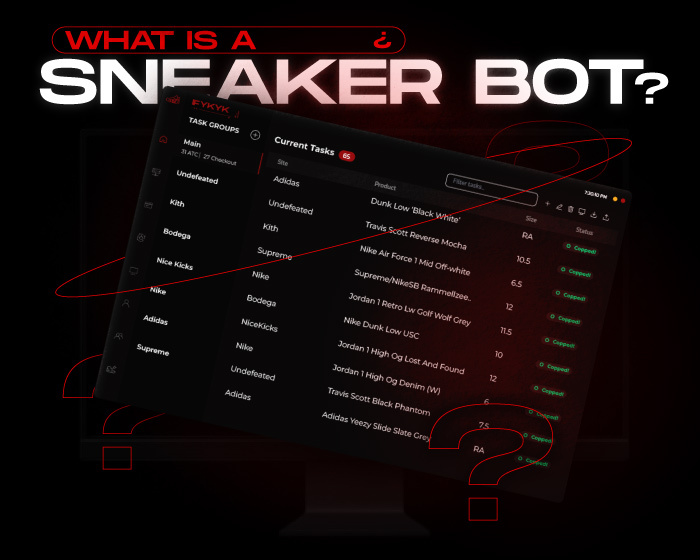
According to Shopify storefront rate limit documentation, e-commerce servers enforce per-IP queue throttling during flash sales. Similarly, Nike SNKRS Draw rules process entries through randomized countdown windows. Collectors who buy sneakers in bulk rely on task automation to submit entries across multiple independent IP addresses. Each task operates as a separate browser session with its own clean shipping profile.
How Do You Get a Sneaker Bot for Retail Without Paying Resale?
Acquiring a license directly from the developer webstore avoids secondary broker fees and binds the key to your Discord account. Since the 2021 boom, many developers have used Twitter raffles, password-protected drops, or private Discord group-buys. Joining an active cook group gives buyers early notifications whenever developers open registration windows. Most group-buys allocate 10 to 30 retail keys per community raffle.
Collectors who prefer direct access without waiting on third-party raffles can get NikeShoeBot directly from the official storefront. You can also review verified checkout logs where users share drop recaps on X after major footwear and collectible launches. Buying directly from an official developer portal guarantees immediate Discord role verification. Official support channels also provide setup guides for every supported storefront module.
How Do Bot Resale Marketplaces and Single-Drop Rentals Work?
When a software license is sold out on its primary website, buyers use sneaker bot resale platforms or short-term rentals. Dedicated exchanges such as Tidal Market and BotBroker verify that a seller’s license key is active before releasing funds. Using an escrow middleman prevents chargeback fraud and unauthorized key resets on Discord or Reddit. Buyers should always confirm whether a key can be unbound from the seller’s Discord account.

Beginners who only target three or four major releases a year often choose sneaker bot rental options instead. According to secondary marketplace schedules, daily or single-drop rentals cost between $15 and $45 per release. Monthly rentals range from $60 to $150 per month depending on scheduled Jordan, Travis Scott, and Kobe drops. Renting lets operators test an interface before buying a full license key.
Which All-in-One Sneaker Bots Lead the Multi-Site Market?
Comparing the best sneaker bots requires matching software modules to the specific retail storefronts you target most. Site-specific tools focus on a single ecosystem. By contrast, all-in-one (AIO) platforms support Shopify boutiques, Footsites, Demandware, and collectible sites like Pop Mart under one interface. Multi-site coverage protects buyers when a brand shifts allocation from SNKRS to boutique raffles.
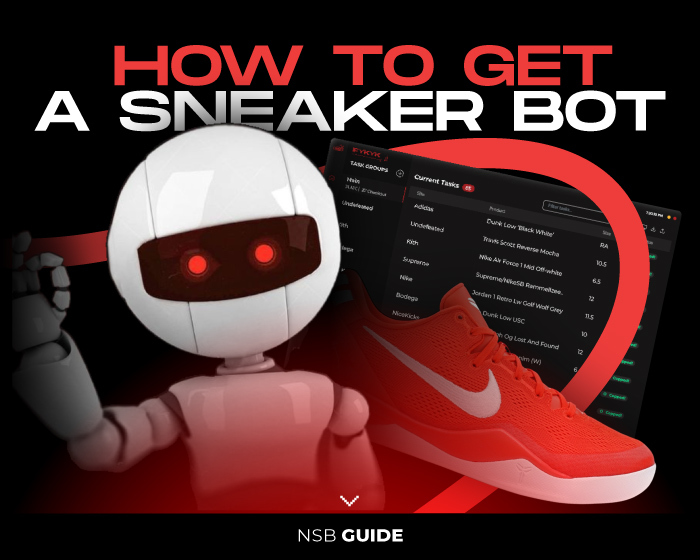
Top multi-site platforms in the space include Valor AIO, Cybersole, Stellar AIO, The Shit Bot, and NikeShoeBot. According to Federal Trade Commission online shopping guidance, federal BOTS Act restrictions apply to event ticketing rather than retail footwear. Even so, retail storefronts enforce strict checkout queues that require updated software modules. Developers push weekly software patches to match changing storefront checkout layouts across global retailers.
| Bot Platform | Primary Storefront Modules | Operating System Support | Core Workflow Features |
|---|---|---|---|
| Valor AIO | Shopify, Footsites, Finish Line, JD Sports | Windows & macOS | Multi-profile task groups & Discord webhook logs |
| Cybersole | Shopify, Supreme, Demandware, European sites | Windows (& Cloud Server) | Mobile companion app & custom monitor groups |
| Stellar AIO | Amazon, Walmart, Target, Shopify, Best Buy | Windows & macOS | Retail & trading card monitoring modes |
| NikeShoeBot | Shopify, Footsites, Nike, Supreme, Pop Mart | Windows & macOS | All-in-one task engine & Discord monitor integration |
What Do Proxies, Servers, VCCs, and Accounts Cost to Run a Bot?
Owning checkout software is only the first component of a functional release-day setup. Running 100 tasks from a single home Wi-Fi IP address triggers immediate rate-limiting bans across Shopify and Foot Locker. Buyers pair their software with dedicated sneaker proxies to assign a unique residential or ISP IP address to every task.
Per provider pricing schedules, residential proxy bundles cost $45 to $75 for 5 GB of data. Dedicated 25-pack ISP proxies cost $50 to $75 monthly per provider rates. Bare-metal cloud servers located near Virginia (US-East) retail data centers cost $65 to $120 per month. Virtual credit cards (VCCs) from Slash or Privacy allow 50+ unique billing profiles at $0 to $25 monthly per provider schedules.
Maintain a 1:1 ratio of proxies and unique virtual billing profiles to active checkout tasks so retail firewalls treat each task as an independent shopper.
| Infrastructure Component | Recommended Allocation | Monthly / Drop Cost Range | Primary Function on Drop Day |
|---|---|---|---|
| Cook Group Membership | 1 Discord Server | $35 to $60 per month | Early SKU monitors, keyword lists & shock drop alerts |
| Residential & ISP Proxies | 5 GB Resi + 25 ISP IPs | $45 to $75 per plan | Prevents per-IP rate limits across 100+ tasks |
| Sneaker Cloud Server | 16 vCPU / 32 GB RAM (VA) | $65 to $120 per month | Low-latency 1 Gbps connection to retail hosts |
| Virtual Credit Cards (VCC) & Accounts | 25 to 50 Cards & Accounts | $25 to $50 per batch | Avoids duplicate payment cancels on strict stores |
How Do You Configure Tasks and Profiles Before Release Day?
Preparation begins 24 hours before a scheduled 10:00 AM EST launch by importing billing profiles, proxy lists, and store accounts. Each billing profile should use a distinct virtual card number and a clean phone number. That separation helps orders pass post-checkout fraud verification. Buyers test their ISP and residential proxy speeds against target storefronts the night before to remove banned subnets.
Thirty minutes before launch, operators load early product URLs, variants, or positive and negative keywords supplied by their cook group. Warming up Gmail accounts inside the built-in solver reduces challenge friction during checkout queues. Starting monitor tasks 3 to 5 minutes before the drop ensures instant task triggering when inventory goes live at 10:00 AM EST.
Should beginners rent or buy checkout software first?
Beginners targeting only one or two releases per quarter often start with a $15 to $45 single-drop rental on Tidal or BotBroker. That short trial teaches proxy and profile setup before committing to an annual license.
How many proxies do I need for 100 checkout tasks?
Operators maintain a 1:1 or 2:1 proxy-to-task ratio for major drops. Running 100 checkout tasks requires 100 to 200 rotating residential proxies alongside 25 dedicated ISP proxies.