Adidas Confirmed App Guide: Draw Mechanics, Regions & Task Setup

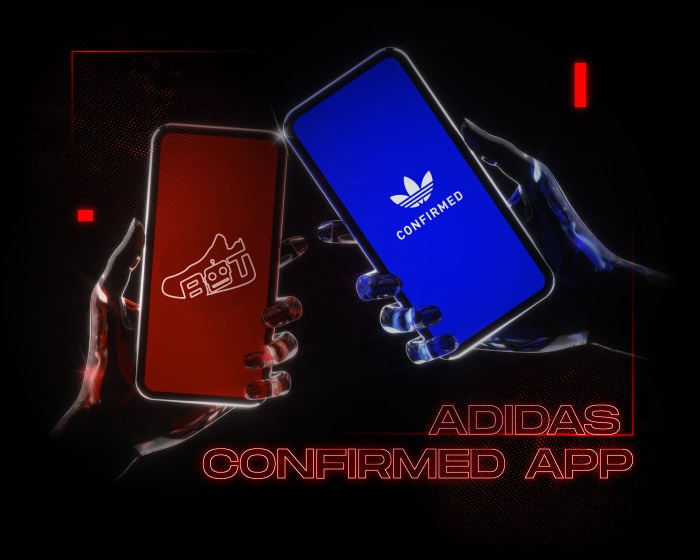
The Adidas Confirmed App relaunched in 2020 as a necessity for collectors entering digital sneaker draws. Multi-region checkout software that Valor AIO, Cybersole, Stellar AIO, and NikeShoeBot supports helps buyers manage entries across US, CA, EU, and GS regions. Below we cover how draw queues, adiClub tiers, and account configurations work.
- 2020 Platform Relaunch: Consolidated limited Three Stripes collaborations and archival releases into one iOS and Android draw hub in 2020.
- 2023 Yeezy Inventory Waves: Handled millions of draw entries when remaining Yeezy stock released in August 2023 from $70 to $300 retail.
- Four adiClub Tiers: Divides accounts from Level 1 (0 to 999 points) to Level 4 (9,000+ points) for priority access.
- Regional Task Setup: Requires a strict 1:1 proxy-to-account ratio across US, Canada (CA), Europe (EU), and UK (GS) regions.
What Is the Adidas Confirmed App and Why Did It Relaunch in 2020?
Adidas introduced the rebuilt platform in 2020 to replace geo-fenced reservations with nationwide digital raffles and queue drops. Shoppers use the mobile hub to enter limited footwear releases from home.
Before 2020, buyers had to stand inside specific metropolitan zones to reserve limited pairs on their phones. During the 2020 pandemic shift toward mobile official brand sneaker apps, the company rebuilt Adidas Confirmed in the US and Europe. That update turned the app into a unified digital storefront for exclusive products.
The platform hosts high-demand Adidas designer collaborations alongside Bad Bunny, Wales Bonner, Korn, and Fear of God Athletics releases. Retail pricing spans from $70 slides up to $300 basketball silhouettes across adult size runs. Exclusive editorial features and designer interviews also appear inside the mobile feed.

How Do Draw Releases Compare to Queue Drops on the Platform?
The platform uses three primary release formats: multi-day Draw raffles, first-come Queue drops, and Invite-Only Golden Ticket access. Each format enforces distinct entry windows and payment authorization rules during launch hours.
In a standard Draw release, users register their shoe size and shipping address days before the countdown closes. Much like the randomized selection windows in Nike SNKRS draw documentation, servers pick winning entries after the timer expires. Winning accounts are then billed automatically at retail price.
During a Queue drop, buyers join a virtual waiting room at launch time. Backend rules similar to Shopify checkout rate limits throttle incoming traffic to keep servers stable. European and UK accounts must also complete 3D Secure (3DS) banking prompts before the timer expires.
| Release Format | Registration Window | Selection Mechanism | Payment Authorization Rule |
|---|---|---|---|
| Standard Draw Release | 24 hours to 7 days pre-drop | Randomized raffle by size | Pre-authorized on entry; billed on win |
| Virtual Queue Drop | Opens at exact launch minute | Weighted waiting room queue | Charged at checkout after passing queue |
| Invite-Only Access | 30-minute private window | Targeted to adiClub Level 3 & 4 | Direct cart checkout while stock lasts |
| Golden Ticket Event | 7-day promotional raffle | Guaranteed purchase pass for 30 days | Charged retail MSRP upon pair selection |
How Do adiClub Point Tiers (Level 1 to Level 4) Affect Drop Access?
Every Confirmed account links to a four-tier adiClub membership ranging from Level 1 (0 points) to Level 4 (9,000+ points). Higher loyalty tiers receive stronger weighting during oversubscribed Draws and private restock invites.
Members collect 10 points for every $1 spent at retail pricing across brand stores and the mobile app. Creating a new profile, reviewing purchases, and logging workouts also add bonus points to an account balance. Points remain active over a rolling 12-month qualification period.
Accounts reach Level 2 at 1,000 points ($100 retail spend) and Level 3 at 3,000 points ($300 retail spend). Top-tier Level 4 status unlocks at 9,000 points ($900 retail spend). Maintaining aged Level 3 and Level 4 profiles improves selection odds compared to fresh zero-point accounts.
How Did the August 2023 Yeezy Releases Test Regional App Servers?
When the brand resumed selling remaining Yeezy inventory in May and August 2023, millions of users flooded the app. Regional servers across the US, CA, EU, and GS handled record draw volume. Those multi-day drops proved that the app had become the primary battleground for collectors.
After announcing plans to release remaining Yeezy stock in 2023, the company scheduled weekly waves across August 2023. Shoppers entered draws for $70 retail Yeezy Slides, $90 Foam Runners, $230 Boost 350 V2s, and $300 Boost 700 colorways.
Because demand far exceeded warehouse stock on pairs like the Onyx Slide and Wave Runner 700, single-account users faced steep odds. Collectors who prepared multiple verified accounts across regional servers captured a much larger share of checkouts.
What Proxy, Address, and Payment Ratios Prevent Entry Filtering?
Running Confirmed tasks reliably requires a 1:1 proxy-to-account ratio paired with unique virtual payment cards and jigged shipping addresses. Anti-bot filters flag duplicate device fingerprints and shared IP subnets before the draw closes.
Beginners learning how sneaker botting works should assign one static ISP or clean residential proxy IP to each login. Compliance with store terms and FTC online checkout guidelines also requires accurate billing data on every order.
To prevent post-draw cancellations, operators space out entry submissions across the registration window. Firing 50 accounts in the same second triggers rate limits. Using unique card numbers from virtual-card issuers also prevents payment processor linking across tasks.
Assigning a strict 1:1 proxy-to-account ratio, unique virtual card numbers, and staggered entry delays across the 24-hour draw window keeps multi-account setups from triggering duplicate-entry filters.
| Configuration Parameter | Recommended Task Setting | High-Risk Mistake | Impact on Draw Selection |
|---|---|---|---|
| Proxy-to-Account Ratio | 1:1 dedicated ISP or residential IP | 5+ accounts sharing 1 IP address | Prevents subnet bans during entry |
| Entry Timing Delay | Staggered 3,000ms to 10,000ms spacing | Instant 0ms burst across all tasks | Mimics natural user registration flow |
| Payment Profile Setup | 1 unique virtual card per account | Reusing 1 card across 10 accounts | Avoids processor declines on wins |
| Address Formatting | Apartment/unit line variations | Identical character-for-character text | Reduces post-draw order cancellations |
How Do Multi-Region Checkout Tools Manage US, CA, EU, and GS Entries?
Automated all-in-one sneaker bots manage account sessions, regional proxy routing, and 3DS payment prompts across US, CA, EU, and GS drops. Instead of logging in and out on a single phone, users run parallel tasks from one desktop dashboard.
Operators can review the official Confirmed module setup guide to configure regional account groups, proxy lists, and size ranges. Automated task managers also monitor surprise shock drops and restock queues alongside Nike SNKRS and Shopify boutiques. That unified workflow saves hours of manual setup before high-volume weekend releases.
When evaluating the best sneaker bots for multi-store coverage, buyers compare Valor AIO, Cybersole, Stellar AIO, and NikeShoeBot across Confirmed, SNKRS, Footsites, and Shopify releases. Running a multi-site setup lets collectors cover every regional drop channel simultaneously.
Which regions are supported for automated draw and queue entries?
Task modules support the United States (US), Canada (CA), European Union countries (EU), and the United Kingdom (GS) regions. Each region requires location-matched proxies and local billing profiles.
How many points does it take to reach adiClub Level 4 status?
Reaching adiClub Level 4 requires accumulating 9,000 points over a 12-month window. Members collect 10 points per $1 spent at retail plus bonus profile points.