Best Sneaker Apps for Retail Drops, Raffles, and Resale Marketplaces

Modern sneaker apps divide into two core categories: primary retail launch portals and secondary authentication marketplaces. Understanding what they do and which platforms you need helps buyers secure 10:00 AM EST retail drops. It also helps sellers compare verified aftermarket prices. Mobile clients such as Nike SNKRS and adidas CONFIRMED run randomized draws, while StockX, GOAT, and Grailed handle peer-to-peer sales.
- Retail Draw Windows: Nike SNKRS LEO drops run for 2 to 3 minutes, while DAN draws stay open for 10 minutes.
- GOAT Seller Commission: Base commission starts at 9.5% for sellers with a 90+ rating, plus a 2.9% cash-out fee.
- StockX Base Fees: Level 1 sellers pay a 9% transaction fee plus a 3% payment processing fee (12% combined).
- Peer-to-Peer Market: Grailed charges a 9% commission fee plus payment processing on pre-owned footwear and streetwear.
How Do Retail Sneaker Apps Differ From Standard Web Storefronts?
Mobile release portals replace first-come browser carts with account-bound draw queues and location-based reservations. As detailed in our sneaker industry evolution guide, major footwear brands shifted flagship collaborations onto iOS and Android clients. That shift helped retailers regulate launch traffic during peak drops. Even with sneaker bot legality overview rules permitting general retail automation, brands enforce strict one-pair-per-account mobile rules.
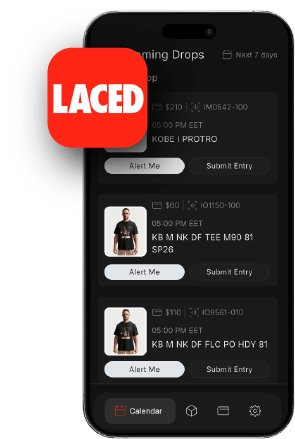
Simplified mobile companions like Laced emerged to help beginners schedule cloud-based release entries. Users did not need to configure local proxies or servers manually. Instead of managing desktop profiles, buyers selected a target SKU and submitted credentials through a mobile dashboard. Understanding both native brand clients and companion entry utilities helps collectors cover every 10:00 AM EST launch method. Push notifications also alert users to surprise shock drops.
How Do the Nike App and Nike SNKRS Divide Footwear Releases?
Nike operates two separate mobile shopping platforms that serve distinct product tiers across its global catalog. The standard Nike App acts as a mobile extension of Nike.com for general release trainers and member rewards. By contrast, Nike SNKRS hosts limited Jordan retros, Kobe Protros, SB Dunks, and designer collaborations. Our Nike mobile app ecosystem breakdown covers every tool in the brand’s suite.
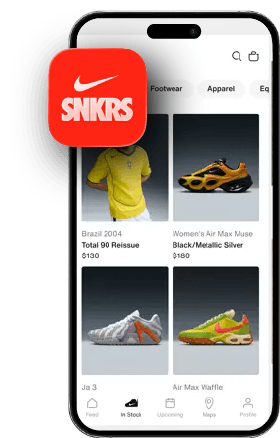
According to Nike SNKRS Draw documentation, limited releases use a randomized countdown ballot that notifies selected buyers within minutes. Active members also receive personalized purchase invitations through the Nike SNKRS Exclusive Access guide system. Those invitations depend on poll engagement and prior launch history. According to the Nike Global Manufacturing Map, products sold across both portals originate from over 500 contract factories.
| Mobile Platform | Primary Focus | Release Mechanism | Account Requirement |
|---|---|---|---|
| Nike SNKRS | Limited Jordans, Kobes, Collabs | 10-Minute DAN Draw & 2-Minute LEO | SMS-Verified Nike Member Profile |
| Nike App | General Releases & Member Restocks | First-Come Cart & Member Access | Standard Nike Membership Login |
| adidas CONFIRMED | Collaborations & Originals Drops | Queue Raffle & AdiClub Level Draw | AdiClub Account With Saved Card |
| Foot Locker (FLX) | In-Store Pickup & Ship-to-Me Retros | FLX Points Reservation Ballot | FLX Rewards Account & Zip Code |
How Do StockX and GOAT Compare for Deadstock Authentication?
StockX and GOAT lead the secondary market by acting as middleman escrow and physical authentication centers. StockX operates like a live commodity exchange where buyers place Bids and sellers place Asks on deadstock pairs. Once a bid and ask match, the trade executes automatically. The seller then ships the box to a regional verification hub within 2 business days.
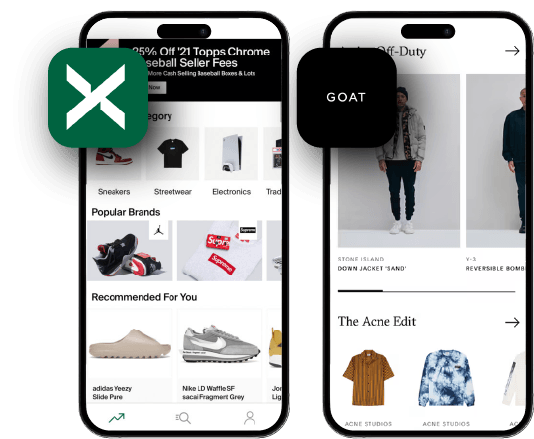
GOAT supports both brand-new deadstock listings and photo-verified used or defective-box pairs inside the same interface. Sellers can also pre-ship inventory to GOAT Storage to enable instant shipping for buyers. Readers evaluating alternative marketplaces can consult our resale marketplace comparison guide for regional fee differences. Both apps provide historical sale charts by size. Authenticated pairs receive a tamper-evident verification tag before shipping to the buyer.
When Should Collectors Use Grailed for Pre-Owned Footwear?
Grailed serves collectors searching for pre-owned archival footwear, sample pairs without original boxes, and designer streetwear. Unlike StockX, which requires unworn condition and undamaged boxes, Grailed allows listings in gently used condition. Sellers upload detailed photos of outsoles, insoles, and heel wear for full transparency. Buyers can message sellers directly inside the mobile client to negotiate prices.
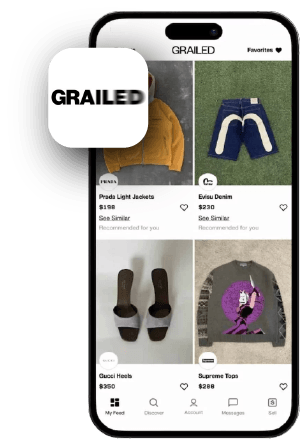
Digital authentication moderators review uploaded photos of box labels, interior size tags, and stitching before high-value listings publish. Shoppers inspecting lightly worn pairs can pair Grailed’s photo checks with our pre-owned sneaker buying guide. That checklist covers midsole aging, star loss, and heel drag. Direct seller-to-buyer shipping also eliminates the 5-to-7-day warehouse transit delay. Binding offers allow buyers to lock in negotiated prices immediately.
How Do Seller Fees and Net Payouts Compare Across Resale Platforms?
Every secondary marketplace deducts a percentage commission and payment processing fee from the gross sale price. According to the GOAT seller commission schedule, sellers in good standing (rating 90+) pay a 9.5% base commission. GOAT also adds a regional seller fee and a 2.9% cash-out fee. On a $250 sale with a $10 fee, GOAT deducts $33.75 before cash-out, leaving $216.25 in credit.
Comparing platform commissions before listing a $250 pair saves between $12 and $18 in transaction fees across StockX, GOAT, Grailed, and eBay.
By comparison, StockX deducts a 9% Level 1 transaction fee plus a 3% processing fee (12% total). That structure leaves $220.00 on a $250 sale before shipping fees. Grailed charges a 9% commission plus 3.49% and $0.49 in domestic payment processing, leaving $218.28 on a $250 transaction.
| Resale App | Base Commission Rate | Payment Processing Fee | Net Payout on $250 Sale |
|---|---|---|---|
| StockX (Level 1) | 9.0% transaction fee | 3.0% processing fee | $220.00 (before shipping) |
| GOAT (90+ Rating) | 9.5% + regional fee | 2.9% cash-out fee | $216.25 (before cash-out) |
| Grailed (Domestic) | 9.0% commission fee | 3.49% + $0.49 fee | $218.28 (plus shipping label) |
| eBay ($150+ Footwear) | 8.0% final value fee | Included in final value fee | $230.00 (no store subscription) |
How Do Mobile Release Clients Fit Into a Multi-Site Drop Workflow?
Experienced collectors treat mobile draw entries as one layer alongside desktop Shopify, Footsite, and boutique raffle campaigns. While a smartphone handles local FLX reservations and adidas CONFIRMED ballots, simultaneous 10:00 AM EST webstore drops require desktop tools. Readers exploring our automated sneaker bot guide combine clean residential proxies and low-latency servers to monitor online inventory.
When releases launch across Shopify boutiques, Footsites, and Nike SNKRS simultaneously, desktop platforms such as Valor AIO, Cybersole, and Stellar AIO coordinate multi-task queues. Alongside those platforms, NikeShoeBot supports Shopify storefronts, Nike SNKRS, and regional sporting goods sites inside a single desktop application. Pairing mobile raffle entries with desktop monitor tasks covers every retail allocation channel. Post-launch restock monitors also catch cancelled orders across core adult sizes.
Can I run multiple Nike SNKRS accounts on the same smartphone without getting flagged?
Logging in and out of multiple Nike SNKRS accounts on a single device shares the same hardware identifier, IP address, and payment token, which lowers selection odds. Keep one verified account per physical device and unique payment card.
Which marketplace platform is best for selling footwear with a damaged or missing box?
GOAT and Grailed both support damaged-box or no-box listings. GOAT provides a dedicated “New with Defects” or “Missing Lid” toggle during listing creation, while Grailed lets sellers photograph the exact packaging condition for buyers.
Tagged