Fast Checkouts Get Flagged: What Retailers Look For
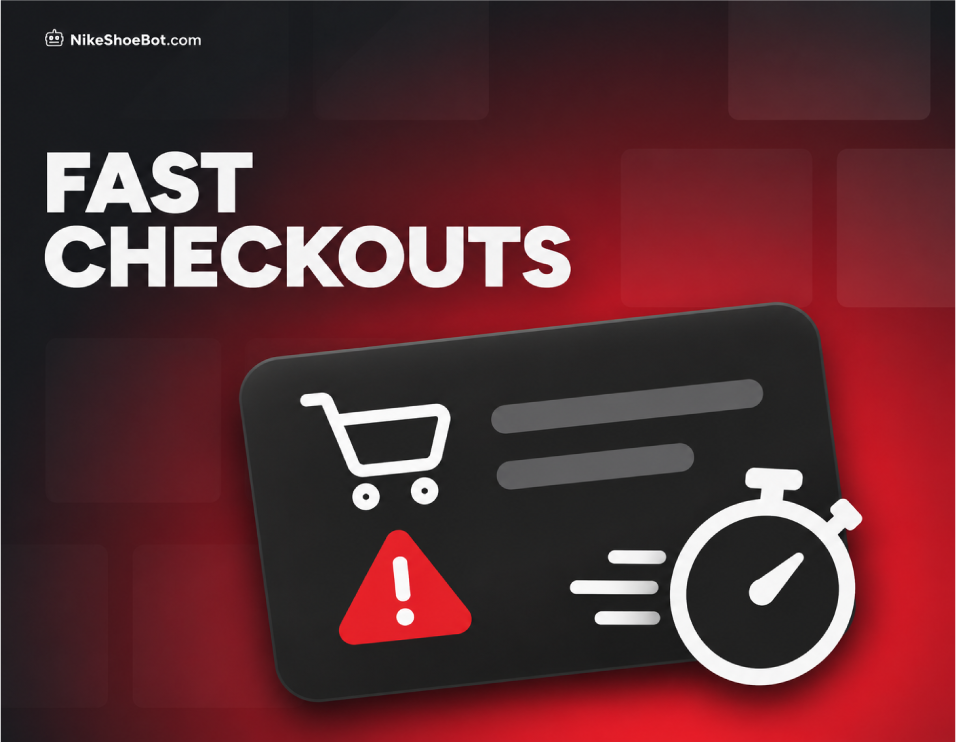
Retailers flag fast checkouts because speed is one of several behavioral signals their fraud systems weigh, not because speed alone breaks a rule. A purchase that moves from product page to confirmation in seconds can look different from normal shopping, and when it comes with unusual purchase frequency, payment mismatches, or odd network activity, the retailer may add verification or cancel the order. Reaching the confirmation page does not guarantee fulfillment.
Here is the short version before we get into the details:
- Speed is one input: retailers weigh it alongside account activity, payment details, and connection patterns.
- Bots stand out more: several tasks on one product create request patterns that differ from ordinary shoppers.
- Confirmation is not fulfillment: some retailers review orders after payment and cancel the ones that trigger enough risk indicators.
How Do Retailers Detect Unusual Purchasing Behavior?
Most major retailers run automated fraud detection that watches several signals across a visit: browsing behavior, account activity, transaction details, and purchasing patterns, and these signals build up from the first page load, not only at checkout. A customer who opens a product page, adds the item to the cart, and checks out within a few seconds creates a different pattern from someone who browses several pages first.
That does not mean the order gets flagged. Unusually fast activity is usually one input into a broader risk assessment, and retailers use these systems to find automated purchases, fraudulent transactions, and suspicious accounts. The practical takeaway is that a retailer judges the whole session, not one number. Our guide to sneaker botting explains the automation side of that picture.
Is Checkout Speed Enough to Trigger a Fraud Check?
A common misconception says that checking out quickly is enough to trigger a retailer’s fraud prevention system. In reality, speed is generally weighed alongside other information, and retailers typically evaluate combinations of indicators, not a single trait.
None of these is definitive proof of automation or fraud. They are inputs, and a retailer may weigh them differently from one release to the next. Our guide to the best proxies for sneaker sites covers the connection side.
Why Do Bot Users Run Into More Verification Challenges?
Sneaker bots automate repetitive purchasing tasks and improve efficiency in competitive releases. That automation can look quite different from the behavior retailers expect from ordinary shoppers. For example, several tasks may hit the same product at once, which creates repeated requests, rapid cart activity, and purchasing patterns unlike normal customer traffic.
Retailers may respond with CAPTCHA challenges, waiting rooms, purchase restrictions, or manual order reviews. In some cases an order looks successful at first and is canceled after further fraud checks. Because every retailer tunes these responses differently, the same setup can meet a CAPTCHA on one site and a waiting room on another, because verification is a response to the pattern and not a verdict on the shopper.
Our guide to buying sneakers at retail covers how a normal retail purchase flows.
What Other Verification Systems Do Retailers Use Besides CAPTCHA?
CAPTCHA is one of the most recognizable tools for telling legitimate visitors from potentially automated traffic. These systems evaluate interactions and other signals to decide whether more verification is needed. It is only one part of a retailer’s wider security setup, which may also include:
- Queue and waiting room systems.
- Account verification requirements.
- Payment authorization checks.
- Purchase limits and order restrictions.
- Automated fraud scoring.
- Post-purchase transaction reviews.
Because retailers implement these differently, checkout performance can vary considerably between sites, so a result from one retailer should not be used to judge your setup on another. Each layer looks at something different, such as the visit, the account, or the payment. Our guide to winning on Nike SNKRS shows how one retailer’s release flow works.

Why Can a Successful Checkout Still Result in a Cancellation?
Receiving an order confirmation is a milestone, but it does not mean the purchase has passed every security check. Some retailers run extra reviews after payment authorization or order submission, looking for inconsistencies, suspicious purchasing patterns, or violations of store policies.
If a transaction triggers enough risk indicators, the retailer may cancel the order even after confirming it. A retailer may also hold an order for manual review before it decides, so a pending status is not a failure yet. For resellers, the gap between a submitted order and a fulfilled order matters when you judge release performance, so count orders that shipped, not confirmation pages.
Cancellation policies differ by retailer, so check each store’s terms before you treat an order as secured.
How Should You Read a Failed Checkout?
A failed checkout does not always point to a problem with your bot configuration. The retailer’s security systems, its payment processing, and release-day traffic can all shape the result. When you review failed tasks, note the exact error message and the stage where each one stopped, since that separates technical errors, payment issues, and retailer-side restrictions.
Whichever bot you run, including NikeShoeBot, use that log to troubleshoot instead of guessing. A pattern of payment declines points to a different fix than a pattern of waiting-room timeouts. It is also worth respecting retailer policies and not treating every verification challenge as an obstacle to bypass. Speed alone does not decide whether an order succeeds, because the retailer also has to validate and approve the transaction.