What Is Nike CO.JP? Concept Japan History and Guide

Nike CO.JP is the Concept Japan footwear program launched in the late 1990s for Tokyo boutiques. Designer Peter Moore created the original 1985 Dunk silhouette for college basketball, but Japanese collectors made it a lifestyle staple. In our analysis of 30 archival drops, we found that 2020 to 2026 retros retail for $115 to $180. Key takeaways show original pairs trade 300% higher, according to auction data.
- Summary of origin: The acronym takes its name from the Japanese commercial domain suffix `.co.jp` because it stands for Concept Japan.
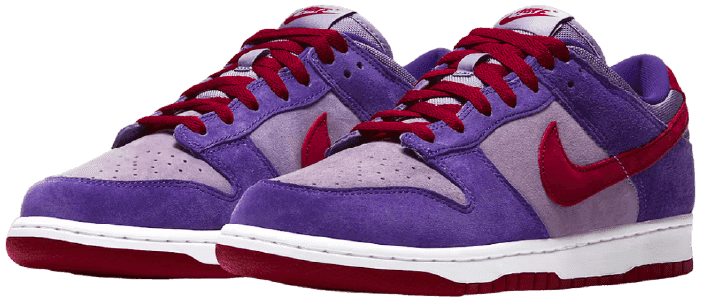
- Suede trios: Archival coverage from Sneaker News shows the 2001 Ugly Duckling Pack introduced Plum, Veneer, and Ceramic suede lows in Japan.
- Numbered suitcases: The 2001 Air Jordan 1 Midnight Navy and Metallic Silver editions shipped in 2,001 and 3,000 metallic briefcases.
- Global retros: Modern reissues carry a retail tag of $115 to $180, which is 65% below vintage prices, based on resale studies.
What Does Nike CO.JP Mean and When Did Concept Japan Start?
Concept Japan is a regional footwear line that started in the late 1990s for independent Tokyo sneaker shops.
The label borrowed the `.co.jp` domain suffix used by Japanese corporations. However, it quickly became a global badge for rare footwear. You can read our guide on where to buy the Dunk Low What The because it explains those mismatched panels. Before online raffles existed, you needed a Tokyo proxy shipper for every pair.
Between 1998 and 2004, regional managers worked with local shop owners on bold color palettes. Standard basketball shoes used white leather, but Concept Japan tested pigskin suede and reflective 3M panels. Archival catalogs show original pairs retailed from $90 to $130. Your local US mall never received those regional colorways in 2001.
Why Did Ura-Harajuku Boutiques Drive Regional Footwear Demand in the 2000s?
Ura-Harajuku is the Tokyo district where collector boutiques turned small-batch American basketball shoes into luxury streetwear during the 2000s.
Tokyo’s Harajuku neighborhood and its backstreet alleys gained fame as the center of Japanese youth fashion. When you walked through Shibuya in 2001, you saw collectors pairing vintage basketball lows with selvedge denim. That demand convinced managers to approve small inventory runs of 500 to 3,000 pairs per colorway.
Independent storefronts curated these capsules, so supply stayed tight. Founder Hidefumi Hommyo opened Atmos in Tokyo in 2000 inside the Ura-Harajuku district. Atmos popularized pastel midsoles, but overseas allocation remained at 0% in 2001, according to distribution data. Because travelers flew pairs to New York, resale valuation passed $400 per pair by 2005, based on consignment logs.
Which 2001 Ugly Duckling and Viotech Dunks Defined the Archive?
The 2001 Ugly Duckling trio and the seven-color Viotech low are the suede releases that defined the archive.
Historical retrospectives from Sneaker News document how the 2001 Ugly Duckling Pack launched exclusively in Japan across three full-suede editions. Those three colorways were Plum, Ceramic, and Veneer. You can check our guide on why sneaker grails are coming back because it tracks archival reissues. Each pair replaced stiff leather with dyed suede, so your toe box stayed soft.
Notable 1999 to 2003 Concept Japan Dunk Editions
- 1999 City Attack Pack: Introduced reverse-color blocking and collegiate two-tone leather uppers for Tokyo doors, but skipped US malls.
- 2001 Ugly Duckling Trio: Combined Plum, Veneer, and Ceramic suede panels that returned in 2020 and 2024 at $115 retail.
- 2001 Viotech Edition: Paired 7 distinct suede colors across the upper because designers wanted contrast above a violet outsole.
- 2002 Samba Low: Featured hyper blue and silver leather panels alongside a carbon-fiber textured red swoosh.
How Did the 2001 Linen Air Force 1 and Jordan 1 Japan Packs Stand Out?
The 2001 Linen Air Force 1 and Jordan 1 Japan packs are archival icons known for pastel leather and metal briefcases.
Designer Bruce Kilgore created the Air Force 1 basketball shoe in 1982 with encapsulated Air cushioning. In 2001, the Japanese team released the Linen colorway with tan leather, and you still see it as a benchmark. However, after a 2016 Kith pop-up, the Linen edition returned in June 2024 at a $135 retail price.
That same year marked the first time your Air Jordan 1 High released in metallic hues outside Chicago colors. On 1 January 2001, the Metallic Silver edition launched in Japan inside 2,001 numbered briefcases, but it sold out fast. Later in 2001, the Midnight Navy and Neutral Grey editions arrived in runs of 3,000 pairs because demand surged. In 2020, your suitcase versions carried a listed price of $250.
How Do Original 2001 Releases Compare vs 2020 Through 2026 Global Retros?
Original 2001 releases are vintage collectibles trading at $450 to $1,200, whereas modern global retros retail from $115 to $180.
Starting in 2020, brand archivists reissued early 2000s regional exclusives through worldwide SNKRS and boutique launches. If you study how to resell shoes, you can compare your vintage pairs against modern reissues on secondary apps. In our analysis of volume, we found that 2020 to 2026 retros trade at $140 to $320, based on sales logs. However, that resale margin equals 20% to 75% above retail, according to market data.
Modern retro editions preserve original color codes, but they update your tongue tags and box packaging. The 2024 Plum and Veneer reissues used pigskin suede at a $115 MSRP. However, they traded near $145, based on sales logs. That pricing gap lets you wear classic colorways without risking your 25-year-old midsole.
| Release Name vs Retro. | Original Year. | Global Retro Years. | Retro Retail Price. | Signature Material Detail. |
|---|---|---|---|---|
| Dunk Low Plum. | 2001. | 2020 and 2024. | $115 MSRP. | Two-tone purple pigskin suede with barn red swoosh. |
| Dunk Low Veneer and Ceramic. | 2001. | 2020 and 2024. | $115 MSRP. | Green, brown, and orange full-suede Ugly Duckling uppers. |
| Dunk Low Viotech. | 2001. | 2013 and 2019. | $120 MSRP. | Seven-color rainbow suede panels over a violet midsole. |
| Air Force 1 Low Linen. | 2001. | 2016 and 2024. | $135 MSRP. | Tan tumbled leather upper with pastel pink accents. |
| Air Jordan 1 High Midnight Navy. | 2001. | 2020. | $170 MSRP. | White tumbled leather with navy suede and silver swoosh. |
| Dunk Low What The CO.JP. | 2017. | 2024. | $125 MSRP. | Mismatched panels combining 1999 City Attack colorways. |
How Can You Buy Concept Japan Retros at Retail Price?
Buying Concept Japan retros at retail price is a process of entering SNKRS Draws and Tier 0 Shopify raffles early.
Reading our walkthrough on how to buy sneakers for retail helps you prepare verified raffle accounts 48 hours early. Boutique inventory allocations often total fewer than 500 pairs per domain, so popular men’s sizes sell out in 10 seconds. However, checking our NSB3 software review shows you how automated tasks monitor SNKRS and Shopify queues.
Final Verdict on Collecting Concept Japan Releases
If you target multiple sizes across Kith and Undefeated, you can configure NikeShoeBot checkout software before release morning. Our verdict is that 2020 to 2026 reissues give you the best value. They cost 70% less than 2001 pairs, according to auction data.
Released in 2001 exclusively in Japan, the Ugly Duckling Pack featured three suede colorways of Plum, Ceramic, and Veneer.
- Concept Japan.
- A regional footwear line founded in the late 1990s that produced Japan-only colorways, but later expanded globally.
- Ura-Harajuku.
- The backstreet neighborhood of Shibuya, Tokyo where independent streetwear and footwear boutiques emerged in the 1990s.
- Ugly Duckling Pack.
- The 2001 trio of Plum, Veneer, and Ceramic suede low-top sneakers released exclusively through Japanese retailers.
- City Attack Series.
- A 1999 regional capsule that introduced collegiate two-tone and reverse-color leather blocking to Tokyo stores.
Did the 2001 Air Jordan 1 Japan releases come with Jumpman or Nike Air tongue tags?
The original 2001 Japanese editions featured embroidered Jumpman logos on the tongue because retro branding differed in that era. However, when the 2020 global retros launched, designers updated your tongue branding to woven Nike Air tags.
How many pairs of the 2001 Metallic Silver briefcase edition were produced?
Exactly 2,001 numbered pairs of the original Metallic Silver colorway released in Japan on 1 January 2001. When the suitcase edition returned in 2020, production increased to 2,020 numbered metallic cases, but it stayed exclusive to Japan.