Nike SNKRS Antibot: What to Know About the Launch Security System

The Nike SNKRS antibot architecture is a multi-layered machine-learning security system. It filters automated traffic before draw winners are selected. Anyone researching what to know about the security system should examine the brand’s official 2022 and 2023 engineering disclosures. Automated entries account for 10% to 50% of launch submissions, totaling 12 billion blocked requests monthly.
- Monthly Bot Volume: Engineers identify and filter approximately 12 billion automated request attempts across global launches every month.
- Launch Entry Share: Automated submissions represent between 10% and 50% of total draw entries depending on secondary market demand.
- Draw Window Types: Filters operate during both 2-to-3 minute LEO (Let Everyone Order) drops and 10-minute DAN randomized draws.
- Core Detection Signals: Evaluates device fingerprinting, IP reputation, behavioral mouse and touch telemetry, and billing address clustering.
What Is the Nike SNKRS Antibot System and How Much Traffic Does It Filter?
For years, launch security operated as a closed black box. Collectors constantly debated why 10:00 AM EST draws resulted in repeated losses. In 2022 and 2023, the brand published its first public technical overview of Nike bot protection. According to Nike Inside SNKRS Bot Protection data, automated scripts account for 10% to 50% of entries on hyped releases. That percentage rises sharply during limited collaborations.

Across the platform’s global infrastructure, security systems identify and neutralize 12 billion automated requests every month. Instead of blocking suspicious connections at the login screen, the platform accepts incoming draw submissions silently. Engineers then scrub flagged entries from the eligible pool before randomized allocation begins. That silent filtering prevents script operators from testing bypasses in real time.
How Do Machine Learning Models and Reverse Engineering Detect Automated Entries?
Modern launch defense relies on dedicated threat-intelligence engineers. Those specialists purchase, decompile, and study commercial automation tools. They reverse-engineer how scripts generate HTTP requests and mobile API calls. Security teams then identify recurring code signatures across those requests. Those signatures feed directly into real-time machine-learning classifiers during live drops.
According to Nike’s 2022 engineering disclosure, automated scripts generate 10% to 50% of entry volume on major drops, prompting 12 billion monthly filtered requests across global regions.
During each release, behavioral telemetry scripts inspect browser and mobile app environments. Classifiers score each session across four main vectors: TLS fingerprinting, IP subnet reputation, human touch cadence, and payment profile uniqueness. Post-launch audits after every major release allow engineers to retrain models before the next Saturday drop. Continuous model updates keep static request scripts from working long term.
| Security Inspection Layer | Primary Telemetry Signal | Trigger Threshold or Anomaly | System Enforcement Action |
|---|---|---|---|
| Device & TLS Fingerprint | WebGL, canvas, and sensor payload | Headless browser or mismatched OS headers | Silent draw disqualification or 403 block |
| Network & IP Reputation | ASN lookup and request velocity | Flagged datacenter subnets or high request rate | Rate-limiting challenge or session drop |
| Behavioral Biometrics | Touch pressure and scroll timing | Zero-millisecond form fills or identical clicks | Entry marked ineligible before raffle draw |
| Order & Billing Linkage | Card token and address normalization | Duplicate card numbers or jigged street lines | Post-draw order cancellation within 24 hours |
How Does Filtering Work During 2-Minute LEO Drops Versus 10-Minute DAN Draws?
The platform uses two distinct queue formats rather than first-come, first-served checkout. Standard releases use the LEO (Let Everyone Order) system. That format opens a 2-to-3 minute invisible queue window at 10:00 AM EST. High-demand collaborations use the DAN (Draw) format, which displays a visible 10-minute countdown timer on screen.
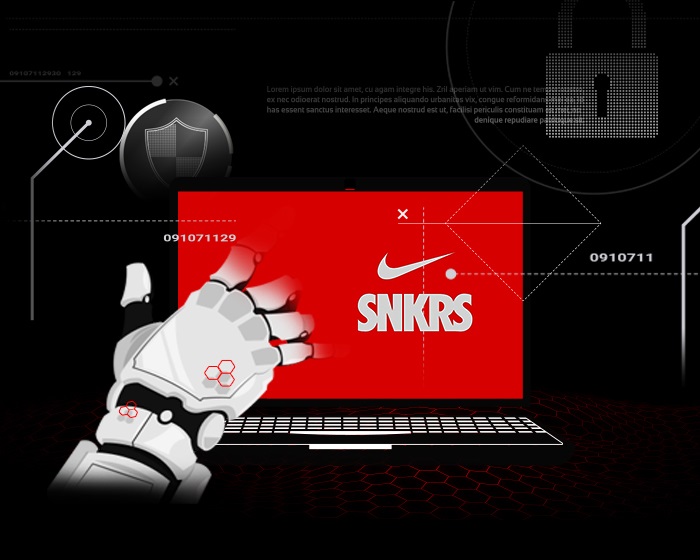
Both formats exist specifically to give security classifiers an inspection buffer window. Rather than rewarding sub-second checkout requests, the 2-to-3 minute LEO window and 10-minute DAN window gather all entries into a staging pool. Automated scoring algorithms purge flagged sessions from that pool first. Only verified accounts remain when the random number generator assigns pairs by size. Winners then receive instant payment and order confirmation emails within a few minutes.
Why Do Real Manual Shoppers Sometimes Get Flagged During 10:00 AM Launches?
Strict security rules occasionally create false positives that frustrate manual collectors. Multiple family members or roommates often enter the same 10:00 AM EST draw from one home Wi-Fi router. Doing so forces every device onto one shared public IPv4 address. Combining that shared IP with identical shipping addresses and matching last names can trigger anti-clustering filters.
Manual buyers can avoid false flags by separating their network and billing footprints. Entering on 5G cellular data rather than shared household Wi-Fi assigns a distinct mobile carrier IP. Keeping a single verified SMS phone number and unique Apple Pay or PayPal token also helps. Consistent in-app video and poll engagement further strengthens individual account trust scores over time. Those simple habits protect legitimate buyers during Saturday drops.
How Do Secondary Market Spreads and Seller Fees Drive High Launch Traffic?
Automated traffic reaches 10% to 50% on marquee launches because of wide secondary market price spreads. A $180 High OG or $215 collaboration often trades for $350 to $600 on resale platforms. Thousands of operators therefore compete for limited size runs every Saturday morning. Even after marketplace commissions, high-demand releases generate intense entry volume across every region.
Resale platforms structure their seller fees around clear price tiers. According to eBay athletic shoe fee schedules, sneakers sold for $150 or more incur an 8% final value fee. According to StockX seller fee documentation, Level 1 sellers pay a 9% transaction fee plus a 3% payment processing fee. Meanwhile, GOAT seller commission rules set a 9.5% base commission for sellers in good standing.
| Launch Tier Example | Typical Retail Price | Estimated Bot Entry Share (Nike Data) | Resale Platform Fee Structure |
|---|---|---|---|
| General Release Dunk / Retro | $115 to $150 | Under 10% of total entries | eBay: 13.6% under $150 / 8% at $150+ |
| Standard OG Retro High / AJ4 | $180 to $215 | 15% to 30% of total entries | StockX Level 1: 9% fee + 3% processing |
| Limited SB Dunk Quickstrike | $125 to $140 | 30% to 45% of total entries | GOAT Good Standing: 9.5% base commission |
| Tier-Zero Collaboration Draw | $150 to $225 | Up to 50% of total entries | eBay $150+ Tier: 8% flat final value fee |
How Do Collectors Structure Clean Sessions and Multi-Site Retail Workflows?
Because SNKRS enforces strict filtering across 12 billion monthly requests, relying on a single app entry rarely secures limited pairs. Collectors researching how to buy sneakers for retail diversify across multiple retail channels. They submit Foot Locker FLX reservations, check JD Sports Status access, and enter independent Shopify boutique drops at 10:00 AM EST.
Users studying what is sneaker botting and comparing the best Nike bots often pair regional entries with an AIO bot for broader retail coverage. Multi-site software platforms such as Valor AIO, Cybersole, Stellar AIO, and NikeShoeBot allow collectors to organize Shopify, Footsites, and regional launch tasks from a unified interface. Pairing those task groups with dedicated residential proxies and unique billing profiles keeps sessions cleanly separated.
Does joining a 10-minute SNKRS Draw in the first 5 seconds improve winning odds?
No, all valid entries submitted during the 10-minute DAN countdown enter the same pool and are randomized only after the timer expires and security filters finish running.
Why do some orders get canceled hours after receiving a “Got ‘Em” screen?
Post-draw audit scripts cross-check winning orders for linked payment tokens, duplicate shipping addresses, or flagged proxy subnets, canceling violating orders before warehouse fulfillment.