Selling on StockX: How Asks, Fees and Payouts Work

People who search for how to make money on StockX are really asking how selling works, and we think that’s worth exploring before you post a first listing. StockX is an online marketplace where sellers post Asks, buyers make Offers, and a sale happens when the two meet. We pulled the fees, the shipping window and the payouts from StockX’s own help pages as of 7 October 2026, with one labelled hypothetical example added.
- Fees: according to StockX, Verified Marketplace sellers pay a 3% processing fee plus a transaction fee of 9% at Level 1, falling to 7% at Level 5.
- Shipping: per the same help pages, sellers generally have two business days to ship a new, unworn item after a sale.
- Payouts: per the same help pages, payouts are issued each evening at about 7:00 PM ET.
What is StockX and how does a sale work?
StockX is an online marketplace with three ways to sell: the Verified Marketplace for new or unworn items, the Listings Marketplace for used or unique items, and the Live Marketplace for live shopping. Its how to sell page says Verified sellers set anonymous Asks on sneakers, streetwear, electronics and collectibles.
On StockX the two sides of a sale are Asks and Offers: a seller names a price with an Ask, a buyer names one with an Offer, and a sale happens when the two match. Every Verified item is either checked by StockX or ships directly from a Verified Seller. Our post on whether StockX is legit asks the wider question.
As of 7 October 2026, the Listings Marketplace is limited to select sellers in the United States, and Live shows need an application and approval, per the same page. We’ve written about both before, in our posts on StockX Listings and StockX Live.
What does StockX charge sellers?
StockX charges Verified Marketplace sellers a 3% payment processing fee plus a transaction fee set by Seller Level, according to its seller fees page. The transaction fee is calculated on the final sale price, and your level depends on your quarterly sales, as the Seller Program page explains. Here are the five levels as StockX lists them.
Seller Level Quarterly sales needed Or quarterly sales value Transaction fee Level 1 None None 9% Level 2 12 sales $1,500 8.5% Level 3 40 sales $5,000 8% Level 4 200 sales $25,000 7.5% Level 5 800 sales $100,000 7% The fees page also says there is a minimum seller fee of $5.00 in the United States. It adds that at launch, sellers pay no standard selling, processing or shipping fees on the Listings Marketplace, and no standard selling or processing fees on StockX Live.
To see the gap between levels, take a hypothetical sale price of $200: the transaction fee is 9% × $200 = $18 at Level 1 and 7% × $200 = $14 at Level 5, a difference of $4. We’ve left out the 3% processing fee because the fees page doesn’t say which amount it’s applied to. Market prices move and are shown for reference, not as a promise.
How do Asks and Sell Now work?
An Ask is a price you set and wait on, while Sell Now sells an item straight away to the highest active Offer, according to StockX’s Sell Now versus Ask page. You choose how long an Ask stays active, from 1, 3, 7, 14, 30 or 60 days, and StockX emails you before it expires. You can change or cancel the Ask at any point before a buyer meets it.
The buyer’s side mirrors it, and StockX’s Make Offer versus Buy Now page puts it this way:
Make Offer lets you choose the price you want to pay and wait for a seller to accept; Buy Now purchases the item immediately at the lowest available Ask.
An item can also sell for more than your Ask. StockX’s explainer on sale prices says that happens when the buyer is in a region where your Ask was not the lowest, because the regional model builds import duties and taxes into Ask prices.
How long do sellers have to ship?
Sellers generally have two business days to ship a new, unworn Verified Marketplace sale to a StockX Verification Center, according to StockX’s shipping deadline page. The page adds that new release items sold on their release day get three more business days, five in total.
A missed deadline has a cost. StockX’s late shipping policy says a sale that stays unshipped after the reminders is cancelled, which can bring a $15 USD penalty fee, restrictions or suspension of your account, and a higher seller transaction fee. You can ask for a 24-hour extension in your account.
After the item arrives, StockX inspects it against its condition guidelines. Per its verification timing page, that typically takes 1 to 2 business days, or 3 to 5 when the Quality Assurance team needs a second look. In most cases a failed item comes back to you, though the seller verification page says StockX has no obligation to return counterfeit items or ones that don’t match the description.
When does StockX pay sellers out?
StockX pays sellers out once a day, as a lump sum covering all eligible orders, with the cycle closing at about 6:30 PM ET and payouts issued at about 7:00 PM ET, according to its payouts help page. Sellers in the Verified Seller Program are paid out on the day an item ships. For other Verified Marketplace sales, an order becomes eligible once the item passes verification.
Here’s the typical arrival time and platform fee for each method, as the payout methods page and the payout fees page give them.
Payout method Typical arrival Platform fee PayPal Within 30 minutes None Bank transfer Within 5 business days About $2 USD per payout, depending on currency Venmo (US only) Within a few hours None Debit card (US only) Within a few hours; Mastercard 1 to 3 business days 2%, minimum $1.95, maximum $9.95 US sellers are paid into StockX Balance, which keeps sales proceeds in the StockX Wallet, where you can spend the funds or withdraw them. Outside the US, payouts go through Hyperwallet, a PayPal service. Prepaid cards aren’t supported as a payout method.
Does StockX report seller sales to tax authorities?
StockX issues a Form 1099-K to US sellers whose activity reaches certain thresholds, according to its tax and 1099 help page. For the 2025 tax year, the page says StockX was required to issue the form when a seller’s gross payments reached $20,000 and the seller completed 200 or more transactions.
Sellers who reach the federal threshold must submit a Tax Identification Number through the payout portal, and the page says Hyperwallet holds funds until it’s submitted. That’s StockX’s own account of its reporting, not tax advice, and the page points sellers to a tax advisor for their own situation. Our post on the reseller tax is the place on this site to read next.
As of 7 October 2026, that page describes only the 2025 tax year, so later years are not covered here.
What else can be sold on StockX?
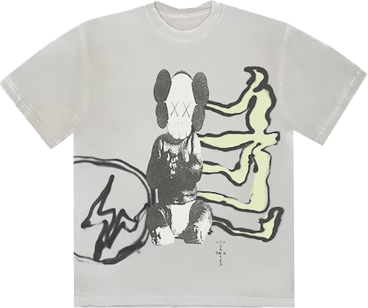
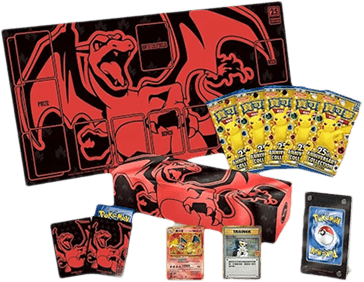
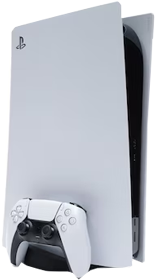
Beyond sneakers, the Verified Marketplace lists apparel, electronics, collectibles, trading cards, watches, handbags, wallets, belts and glasses, and everything on it must be brand new, according to StockX’s condition guidelines. The table sums up what the individual help pages ask of five categories.
Category What the help page asks for Help page Trading cards Sealed boxes, packs, ungraded singles, or singles graded by PSA or BGS Trading cards Electronics Brand new, with no sign of damage, use or tampering; items sold sealed by the manufacturer stay sealed Electronics Watches Brand new and unworn, with the original box, accessories, bracelet links and a functioning quartz battery Watches Handbags Brand new and unworn, with all original accessories; used handbags are not accepted Handbags LEGO Brand new, with the original box and internal packaging LEGO 


Not every product is allowed. StockX says it restricts some products to protect the marketplace, that restrictions change without notice, and that if you are unsure about an item, you can start an Ask or Sell Now and see whether it is flagged as restricted, because a complete list of restricted products is not always public, per its product selling restrictions page.


Marketplaces handle the sale after a drop, while the drop itself happens at the retailer’s checkout. NikeShoeBot is a checkout bot for sneakers, retail drops and collectibles that runs on your own computer, on Mac and Windows. If you want to see what a checkout bot does at a drop, NikeShoeBot’s guides walk through it retailer by retailer.
For other marketplaces, our list of sites like StockX is a starting point.
Can a seller cancel an Ask?
According to the Sell Now page, an Ask can be changed or cancelled at any point before it is matched with a buyer, from the product page or the Selling tab. Once a buyer meets it, the sale is confirmed and the item has to ship.
Do Listings Marketplace sellers pay fees?
According to StockX’s fees page, sellers pay no standard selling, processing or shipping fees on the Listings Marketplace at launch. Buyers pay the processing fee, the shipping fee and an optional verification fee, and access is limited to select sellers.