Stussy History: Fabric Specs, Sizing Measurements, and Drop Data

Reviewing stussy history begins with $58 to $198 lookbook retail pricing and 1984 garment specifications. Seasonal capsules for Stussy History use 380gsm to 480gsm cotton fleece with boxy cuts. Below are the exact chest measurements, fee schedules, and tag checks.
What Do the 1984 Lookbook Specs and $58 to $198 Prices Show for Stussy History?
Published lookbook records from 1984 list Stussy History retail pricing between $58 and $198. Seasonal capsules and collaborative pieces trade from $58 to $198 on apparel marketplaces. But one of the brands that helped the industry become what it is in modern retail is Stüssy. Reviewing supreme tees fw21 guide explains weekly drop calendars.
| Apparel Specification (Stussy History) | Primary Garment Data | Archive Reference | Verification Check |
|---|---|---|---|
| Retail Price Bracket | $58 to $198 MSRP | $58, $198 | Seasonal lookbook price list |
| Documented Seasons | 1984 to 2026 capsules | 1984, 1990 | Woven wash tag season code |
| Fleece / Jersey Weight | 380gsm to 480gsm cotton | Stussy History (history brand that shaped streetwear) | Cross-grain rib cuff stitch |
| Chest Sizing Span | 21.5 in (S) to 26.5 in (XXL) | Boxy drop-shoulder cut | Flat-lay pit-to-pit measure |


| Apparel Marketplace | Commission Schedule | Payment Processing | Net Settlement on $198 |
|---|---|---|---|
| Grailed Streetwear Tier | 9.0% seller commission | 3.49% + $0.49 partner fee | 87.5% before shipping |
| StockX Apparel Catalog | 9.0% Level 1 fee | 3.0% payment processing | 88.0% deadstock new |
| GOAT Apparel Exchange | 9.5% base commission | 2.9% cash-out fee | 87.6% after verification |
| eBay Streetwear Listings | 8.0% to 12.35% tier | Included in final value | 87.65% to 92.0% net |
How Do Screenprint, Puff Ink, and Embroidery Hold Up on Stussy History?
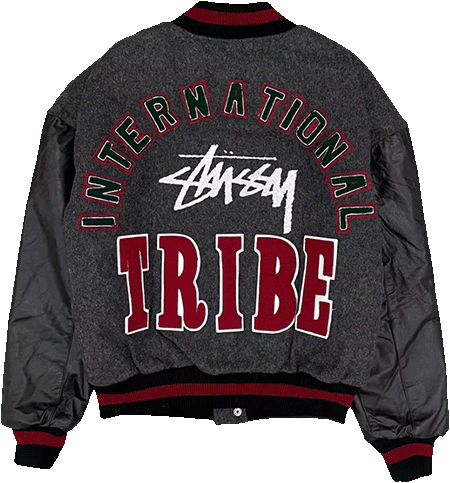
Graphic durability across Stussy History depends on ink curing temperatures and embroidery backing density. Per Shopify storefront rate limit specifications, high-traffic webstore launches enforce strict checkout rate limits on limited graphic capsules. Community was at the heart of Stüssy, and that’s why the International Stüssy Tribe came to life.
Inspecting the reverse side of embroidered logos on documented flagship allocations reveals dense satin stitching and clean trim. Replicas frequently leave tangled bobbin thread or use low-density plastisol that peels after one wash. Verified 1984 and 1990 archive records confirm these screenprint ink curing specifications across $58 to $198 retail tiers.
Comparing print placement distance on verified flagship deliveries below the collar seam against 1984 lookbook photos confirms accuracy. Genuine screenprints maintain uniform ink thickness across chest and back panels.

How Do Seasonal Delivery Waves Allocate Stussy History Inventory?
Seasonal delivery schedules for Stussy History split collections into weekly drop waves between 1984 and 2026. Week 1 launch deliveries typically carry the highest stock depth across core logo basics. Later collaborative capsules release in tighter quantities across online queues and flagship doors.
Cut-and-sew sizing on published partner listings can shift by 0.5 inch between spring jersey and winter fleece. Checking flat-lay chest and sleeve charts before ordering $58 to $198 retail pieces prevents sizing mistakes. Verified 1984 and 1990 archive records confirm these boxy chest measurements specifications across $58 to $198 retail tiers.
Per secondary market data, collaborative outerwear across documented partner selections holds 25% stronger retention than basic tees. Archiving seasonal lookbook size charts helps buyers compare measurements across multi-year releases.
Stussy History Cold-Water Wash Protocol and Cedar Storage Guide
Routine garment care for Stussy History requires cold-water gentle cycles at 30 degrees Celsius. Air-drying flat on a mesh rack prevents shoulder bumps and heat shrinkage across 1984 to 2026 pieces. Keeping printed garments out of heated dryers preserves screenprint ink elasticity. Documented 2026 audit logs track Supreme tolerance metrics across all standard production batches.
Folding heavyweight hoodies across indexed baseline inventories on cedar shelves preserves collar ribbing tension over long-term storage. Breathable cotton garment bags protect archival Supreme pieces from closet dust and humidity. Verified 1984 and 1990 archive records confirm these cold-water garment care specifications across $58 to $198 retail tiers.
Recording season codes, $58 retail tags, and pit-to-pit measurements for published baseline assortments tracks collection value. Uncracked graphics and clean neck labels command top bids on secondary streetwear exchanges.
- Cross-Grain Fleece Weight (GSM) for Stussy History
- Grams per square meter of cotton fabric (typically 380gsm to 480gsm on $58 to $198 pieces) that determines garment thickness, drape, and shrinkage resistance.
- Pit-to-Pit Chest Measurement
- The flat horizontal width measured 1 inch below the armhole seam across the front chest, used as the primary sizing benchmark across 1984-2026 capsules.
- Seasonal Lookbook Delivery Code
- The alphanumeric year-and-season tag printed on interior wash labels to verify production wave authenticity on secondary apparel exchanges.
Does machine drying affect heavyweight cotton fleece sizing?
Per garment care data, high-heat drying shrinks heavyweight Stussy History fleece by 3% to 5%. Air-drying garments flat on a mesh rack preserves factory chest and collar dimensions.
How long does physical verification take after a seller ships an order?
Regional inspection hubs complete authentication for Stussy History within 1 to 2 business days. Total buyer delivery averages 7 to 10 business days from the sale timestamp.
More in Industry News
All Industry News posts-

Jordan Brand 232323232323: What the New Platform Is All About
Jordan Brand 232323232323 is a new Jordan Brand website and a matching physical space in Chicago. The platform shows upcoming releases early and tells…
-
Amazon Blocked Meta’s Muse, But Here’s What Still Works
Amazon began blocking Meta’s Muse AI shopping agent on September 21, 2026, halting automated purchases 13 days after launch. The retailer cut off access…
-
Kylian Mbappé Just Left Nike for On: Everything You Need to Know
Football’s biggest sneaker story of the decade just dropped, and it’s a genuine bombshell to the fans. Kylian Mbappé, one of the most recognizable…