Streetwear Face Mask Trend: Supreme, Murakami & History

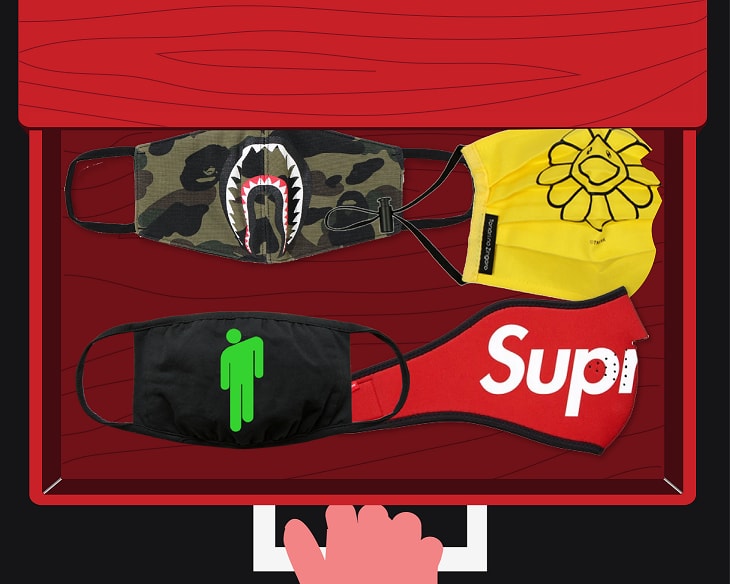
Tracing the history of the Face Mask Trend shows how an Asian health necessity became a streetwear staple. Long before 2020 lockdowns, early 2000s labels like BAPE and Supreme turned neoprene coverings into collectibles. On StockX, the FW14 Supreme Logo release ($24 retail) averages $405. Takashi Murakami’s April 2020 floral edition ($48 retail) averages $357 on resale.
- Early 2000s Streetwear Roots: BAPE shark motifs and Supreme neoprene balaclavas transformed post-2002 Asian medical coverings into hypebeast fashion accessories.
- Supreme FW14 Resale Surge: Released in Fall/Winter 2014 for $24 retail, the Supreme Neoprene edition reached a $405 average resale price on StockX (nearly 17x retail).
- Takashi Murakami Kaikai Kiki Drop: Launched on April 27, 2020, for $48 retail and climbed to a $357 average resale valuation on StockX.
- 2020 Sportswear PPE Pivot: Nike, Adidas, New Balance, and Under Armour reallocated footwear lines in 2020 to produce hospital shields and athletic coverings.
How Did the Face Mask Trend Start in Early 2000s Streetwear?
The modern Face Mask Trend in streetwear emerged in Tokyo and Hong Kong during the early 2000s. After the 2002-2003 SARS outbreak in East Asia, everyday commuters wore surgical coverings in crowded transit hubs. Young designers in Harajuku quickly adapted those medical items into expressive cotton and neoprene accessories.
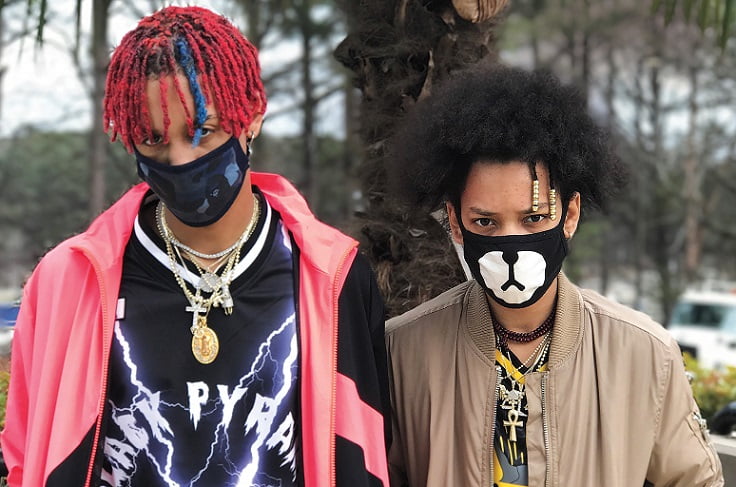
Drawing on 1980s hip-hop graffiti culture, labels like A Bathing Ape (BAPE) printed bold shark teeth across lower-face coverings. Signature green 1st Camo patterns also appeared on zip-up hoodies and matching cotton gaiters. Across the Pacific, Supreme introduced fleece neck gaiters and thermal balaclavas for New York skate crews.
By the mid-2010s, hypebeast photographers routinely captured patterned coverings outside Fashion Week venues in Paris, London, and Tokyo. What began as cold-weather skate gear became a permanent fixture in lookbooks.
How Did Billie Eilish and Ancient Cultures Shape Pre-2020 Styles?
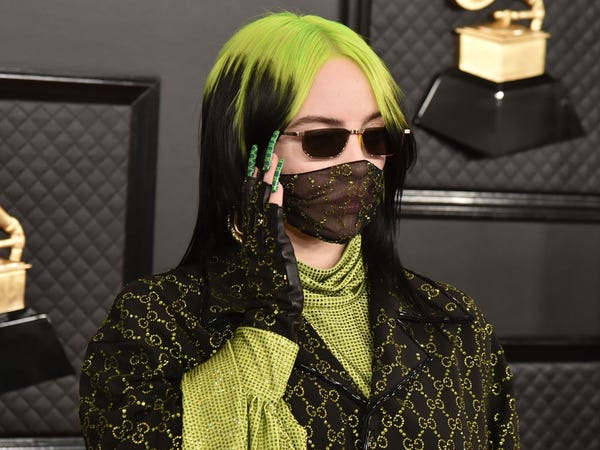
Years before 2020 health mandates, musicians and luxury houses used lower-face coverings as red-carpet statements. At the January 2020 Grammy Awards, Billie Eilish wore a sheer green Gucci tulle covering. She paired that custom piece with matching monogram tailoring. Rapper Future also wore a crystal-embellished Maison Margiela covering during prime-time appearances.
- Ancient Egyptian Ceremonies: Ritual coverings crafted from painted linen and gold leaf honored deities during pharaonic burial rites.
- Arabian Battoulah Tradition: Bedouin women across the Arabian Gulf wore metallic-dyed indigo Battoulah coverings for modesty and protection from desert sandstorms.
- 17th-Century European Plague Gear: Early physicians stuffed leather beak coverings with aromatic herbs during seventeenth-century outbreaks.
- 2010s Festival & Rave Culture: Coachella and EDM festival attendees adopted dust bandanas and LED-lit coverings throughout the 2010s.
Those historical and musical influences turned protective textiles into recognizable personal branding tools.
How Did 2020 Lockdowns and Celebrity Charity Drops Shift Demand?
When global lockdowns began in March 2020, millions of employees transitioned to quarantine remote work. Retail storefronts closed across North America, Europe, and Asia. As malls shuttered and sneaker brands faced financial losses, health agencies recommended cloth coverings for daily errands. Overnight, a niche hypebeast accessory became an everyday garment.
To address early supply shortages, Universal Music Group launched the “We’ve Got You Covered” project in April 2020. Pop artists including Ariana Grande (“teardrop” motif) and Billie Eilish (“Blohsh” logo) released $15 reusable cloth editions.
Every order shipped with washable cotton liners for everyday commuting. All net proceeds from those $15 retail artist editions supported MusiCares relief funds for touring crew members. Fans collected multiple artist designs to match tour hoodies and concert tees.
| Historical or Streetwear Era | Primary Material | Key Cultural Driver | Benchmark Price Tier |
|---|---|---|---|
| Traditional Gulf Battoulah | Indigo-Dyed Cotton | Modesty & Desert Sand Shield | Artisanal Heritage Craft |
| 2002-2014 Harajuku / BAPE | Cotton Twill & Neoprene | Post-SARS & Hypebeast Style | $24 – $65 Retail |
| 2018-2019 Luxury Runway | Gucci Tulle / Margiela Crystal | Billie Eilish & Hip-Hop Tours | $250 – $800 Boutique |
| Spring 2020 Artist Charity | Washable Jersey Cotton | Ariana Grande / MusiCares | $15.00 Charity MSRP |
How Did Nike, New Balance, and Adidas Convert Factories in 2020?
Major footwear manufacturers also retooled their production lines in spring 2020 to support frontline healthcare workers. Per our report on sneaker brand COVID-19 initiatives, engineers repurposed sneaker collar padding and TPU Air-sole plastics. Facilities listed on the Nike Manufacturing Map shifted from basketball shoes to full-face protective shields.
“Nike engineers repurposed clear TPU plastic originally extruded for Nike Air midsoles to assemble over 300,000 hospital face shields in spring 2020.”
New Balance converted its Massachusetts and Maine sneaker factories to assemble 100,000 five-layer coverings per week. Meanwhile, Adidas released three-packs of washable Primegreen coverings for $16 retail. Under Armour also engineered its three-layer “Sportsmask” ($30 retail) for runners and gym athletes. Those rapid engineering pivots kept domestic factory teams active throughout spring 2020.
Why Did Supreme ($24) and Murakami ($48) Editions Reach $405 Resale?
Heightened global attention in spring 2020 triggered a surge in secondary prices for archival streetwear coverings. Most famously, the Supreme Logo Neoprene edition dropped in Fall/Winter 2014 (FW14) for $24 retail. Released in black, red, yellow, and camo, it averaged $405 on the StockX Supreme Logo Facemask page.
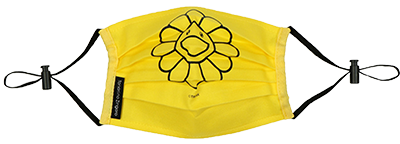
Japanese artist Takashi Murakami saw a similar jump when his Kaikai Kiki flower edition launched on April 27, 2020. Priced at $48 retail, resale trades averaged $357 on the StockX Takashi Murakami Facemask tracker.
Athletic footwear sales at $150 or more incur an 8% fee under the eBay athletic shoe fee schedule. On StockX, streetwear accessories incur a 9% Level 1 fee, 3% processing fee, and $4 shipping. The table below compares retail and net payouts.
| Streetwear Release Edition | Original Retail | Average StockX Sale | StockX Level 1 Net Payout |
|---|---|---|---|
| Supreme Logo Neoprene (FW14) | $24.00 | $405.00 | $352.40 (-$52.60 fees) |
| Takashi Murakami Flower (Apr 2020) | $48.00 | $357.00 | $310.16 (-$46.84 fees) |
| BAPE Shark Camo Edition | $65.00 | $140.00 | $119.20 (-$20.80 fees) |
| Off-White Diag Arrow Cotton | $105.00 | $185.00 | $158.80 (-$26.20 fees) |
How Do Collectors Secure Limited Streetwear Accessories at Retail?
Securing $24 to $48 streetwear accessories at retail requires preparing for Thursday 11:00 AM ET Supreme drops. Collectors use the same discipline for Saturday 10:00 AM ET Nike SNKRS Draw releases. Low-MSRP accessories carry high resale multiples, so manual carts often sell out in seconds.
Collectors who compare the best sneaker bots configure keyword monitors (`+neoprene +logo`) and billing profiles before launch morning. Pairing clean residential proxies with local tasks reduces checkout latency during peak queue traffic.
When evaluating multi-site platforms for Supreme and Shopify boutiques, buyers compare Valor AIO, Cybersole, Stellar AIO, and NikeShoeBot. Always inspect sealed factory polybags and woven size tags to verify authenticity before storing archival accessories. Keeping original store receipts further protects collector value on secondary markets.
Why did the FW14 Supreme neoprene release have small cutouts near the nose?
Designed as a cold-weather snowboarding and skateboarding wind shield in Fall/Winter 2014, the neoprene panel featured laser-cut ventilation holes over the mouth and nostrils. Those vents prevented ski goggles from fogging up.
Are streetwear cloth coverings considered medical-grade respirators?
No, cotton and neoprene editions from Supreme, BAPE, and Takashi Murakami are fashion accessories rather than NIOSH-certified N95 respirators. Many wearers layer them over disposable surgical filters.