Why Champs Sports Stores Are Closing: Foot Locker Lace Up Plan and New Formats

More than 125 Champs Sports stores close between 2023 and 2026 as Foot Locker exits weak indoor malls. Dozens of closed mall storefronts might look concerning at first glance. However, something new is cooking through off-mall experiential flagships and digital raffle allocations. Combined with 275 Foot Locker exits, this 400-door shift moves limited footwear into standalone hubs and apps.
- Total Mall Closures: 400 combined locations between 2023 and 2026, comprising 125 Champs Sports branches and 275 Foot Locker mall doors.
- Strategic Initiative: Foot Locker Lace Up turnaround plan announced in March 2023 to reduce enclosed Class B and Class C mall exposure.
- New Store Formats: More than 300 off-mall experiential concept spaces, including large-format Champs Sports Homefield performance hubs.
- Allocation Shift: Limited-edition footwear inventory increasingly routes through FLX digital app reservations and standalone street-level flagships.
Why Did 125 Champs Sports Stores Close Between 2023 and 2026?
Foot Locker elected to shutter 125 underperforming Champs Sports branches between 2023 and 2026. This move eliminates unprofitable leases in declining regional shopping centers across North America. For four decades, the chain operated compact 3,500-square-foot spaces inside enclosed suburban malls. Those inline shops often sat just corridors away from sibling Foot Locker storefronts. As foot traffic in secondary Class B and Class C malls dropped, operating margins shrank.
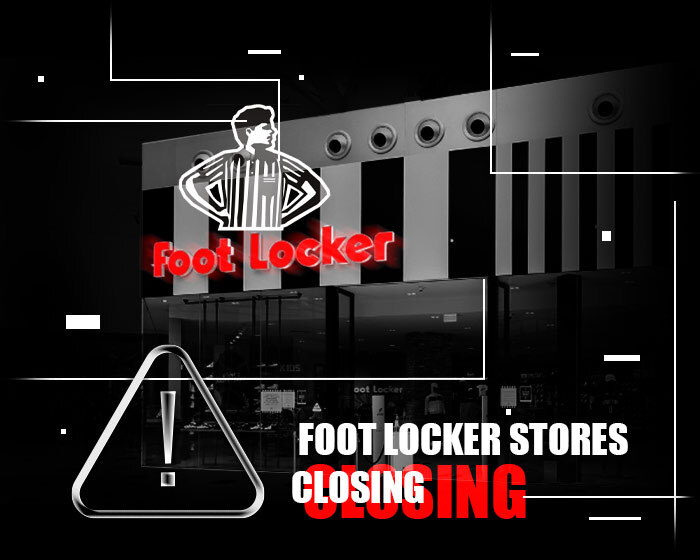
Alongside the 125 Champs exits, the parent group scheduled 275 Foot Locker mall closures. That brings the combined reduction to 400 doors by the end of 2026. Readers tracking Foot Locker store closings across sneaker industry history recognize this pattern. Natural lease expirations let management exit weak corridors without paying heavy termination penalties. Even the oldest Florida mall branch covered in The U.S. Sun retail coverage closed when its lease ended.
How Does the Foot Locker Lace Up Plan Restructure Mall Retail?
Announced in March 2023, the Lace Up corporate turnaround plan reorganizes the parent retailer around off-mall destinations. It also prioritizes omnichannel fulfillment and sharper brand differentiation across every retail banner. Before 2023, enclosed mall units represented roughly 65% of North American square footage per corporate filings. The 2026 real estate roadmap lowers enclosed mall reliance across the entire fleet. At the same time, it opens larger 10,000-square-foot to 15,000-square-foot street and lifestyle center hubs.
Previously, both sister chains competed for the exact same casual mall browser. Management solved this overlap by dividing its customer base into distinct buyer profiles. The flagship striped-shirt banner now focuses on basketball culture and collector releases. Meanwhile, WSS serves value-conscious family households in off-mall strip centers. The repositioned Champs banner targets active performance athletes and head-to-toe tunnel-walk styling.
| Restructuring Metric | Champs Sports Banner | Foot Locker Core Banner | Combined 2023 to 2026 Target |
|---|---|---|---|
| Planned Store Closures | 125 underperforming branches | 275 enclosed mall units | 400 total mall doors shuttered |
| Typical Closed Unit Size | 3,500 sq ft inline mall space | 4,000 sq ft inline mall space | Legacy Class B and C corridors |
| New Concept Format Size | 12,000 to 15,000 sq ft hubs | 10,000 to 12,000 sq ft spaces | 300+ new off-mall concept doors |
| Core Customer Segment | Performance athletes and apparel | Sneaker collectors and lifestyle | Segmented omnichannel shoppers |
What Are the New Champs Sports Homefield and Standalone Formats?
The retailer replaced cramped mall corridors with expansive standalone experiential stores led by the Homefield concept. First launched in Florida and New Jersey, these standalone hubs span up to 15,000 square feet. Homefield locations feature indoor turf testing zones, gait analysis treadmills, and modular apparel walls. High school and collegiate athletes use these zones to test running footwear and training cleats. Shoppers can also compare recovery gear and performance fleece in one open-air location.
Shrinking the legacy mall footprint by 400 doors funds a pivot toward 12,000-square-foot experiential hubs built around performance athletes, fashion-forward styling, and collector launches.
Inside these modernized doors, merchandising teams organize floor layouts around three clear shopper pillars. Those segments cover competitive athletes, fashion-forward enthusiasts, and dedicated footwear collectors. Wider aisles and open sightlines also benefit major athletic footwear suppliers. Brands like Nike, New Balance, ASICS, and Under Armour now install custom vendor shop-in-shops. Those large displays never fit inside legacy 1990s inline mall blueprints.
How Do Store Closures Affect Retro Jordan and Nike Allocations?
Closing 125 mall branches concentrates physical Air Jordan and Nike retro inventory into top-tier flagship doors. It also channels more pairs through the unified FLX digital reservation system. Nike trimmed wholesale accounts between 2021 and 2023 to favor direct channels like the Nike SNKRS Draw system. During that stretch, smaller suburban mall outlets lost regular shipments of limited Jordan 1 and Jordan 4 drops. Keeping stripped-down mall units open solely for basic running shoes proved unsustainable.
Wholesale relations between Nike and its largest retail partner rebounded between 2024 and 2026. Higher-tier retro allocations now flow directly into new-format Community, Power, and Homefield stores. Shoppers researching where to buy Jordans at retail price must use the mobile app. Buyers redeem FLX Cash points for local pickup raffles instead of lining up at small malls.
How Does Fewer Mall Doors Impact Secondary Market Sneaker Pricing?
Fewer neighborhood mall outlets reduce the local supply of unclaimed Saturday raffle pairs. Buyers in smaller cities must therefore rely on online launches or secondary marketplaces. Historically, collectors in mid-sized towns visited three or four local mall branches on Saturday afternoons. That routine often yielded leftover general-release retro pairs at the $200 to $215 retail price. Once secondary doors close, regional buyers face longer drives or national digital queues.
When local retail stock sells out immediately, secondary platforms absorb the extra demand at a markup. According to StockX seller fee documentation, Level 1 sellers pay a 9% base transaction fee. StockX also deducts a 3% payment processing fee on every completed sale. Meanwhile, eBay athletic shoe fee schedules charge an 8% final value fee on sneakers priced at $150 or more. A $210 retro release therefore requires a $245 aftermarket ask to cover seller deductions.
| Acquisition Channel | Typical Entry Cost | Platform or Seller Deductions | Inventory Access Model |
|---|---|---|---|
| In-Store FLX App Reservation | $200 to $215 retail price | 0% buyer fee (uses FLX points) | Geo-fenced pickup at flagship hubs |
| ChampsSports.com Morning Drop | $200 to $215 retail price | $0 shipping for FLX members | 10:00 AM EST queue with anti-bot defense |
| eBay Authenticity Guarantee | $235 to $265 aftermarket ask | 8% seller fee on pairs at $150+ | Verified peer-to-peer secondary listings |
| StockX Marketplace Ask | $240 to $270 aftermarket ask | 9% base fee plus 3% processing fee | Anonymous bid-ask clearinghouse |
How Should Buyers Approach Footsites Online Releases and Raffles?
Securing limited footwear from ChampsSports.com and FootLocker.com requires a two-step release routine. Buyers combine early FLX app reservations with structured preparation for 10:00 AM EST online drops. Inventory from the 400 closed mall units shifted partly into central e-commerce warehouses. Online stock allocations therefore remain substantial on Saturday release mornings. However, Footsites deploy strict queue management and DataDome bot protection during traffic spikes.
Manual buyers reviewing how to buy sneakers for retail submit app reservations 48 hours before launch day. They also pre-load shipping and payment profiles before entering morning queues. Collectors who automate multi-site releases evaluate AIO bot software across different retail engines. Platforms such as Valor AIO, Cybersole, Stellar AIO, and NikeShoeBot support multi-retailer checkout workflows alongside clean residential proxies.
Is the parent company shutting down the entire athletic chain permanently?
No, the parent company is only closing 125 underperforming mall branches by 2026 while opening larger off-mall Homefield and standalone experiential stores.
Can shoppers still use FLX points across both sister retail banners?
Yes, the unified FLX rewards program works across both retail banners online and in stores, allowing members to redeem points for cash discounts or head-start raffle boosts.